
in this case
Hien Shields underwent emergency spinal surgery after an accident to prevent permanent neurological damage.
Anthem Blue Cross paid the hospital, ICU, and anesthesia claims but denied the surgeon’s $18,926 fee.
The denial stems from an internal authorization dispute between Anthem and its partner Carelon, with a two-year claims deadline approaching.
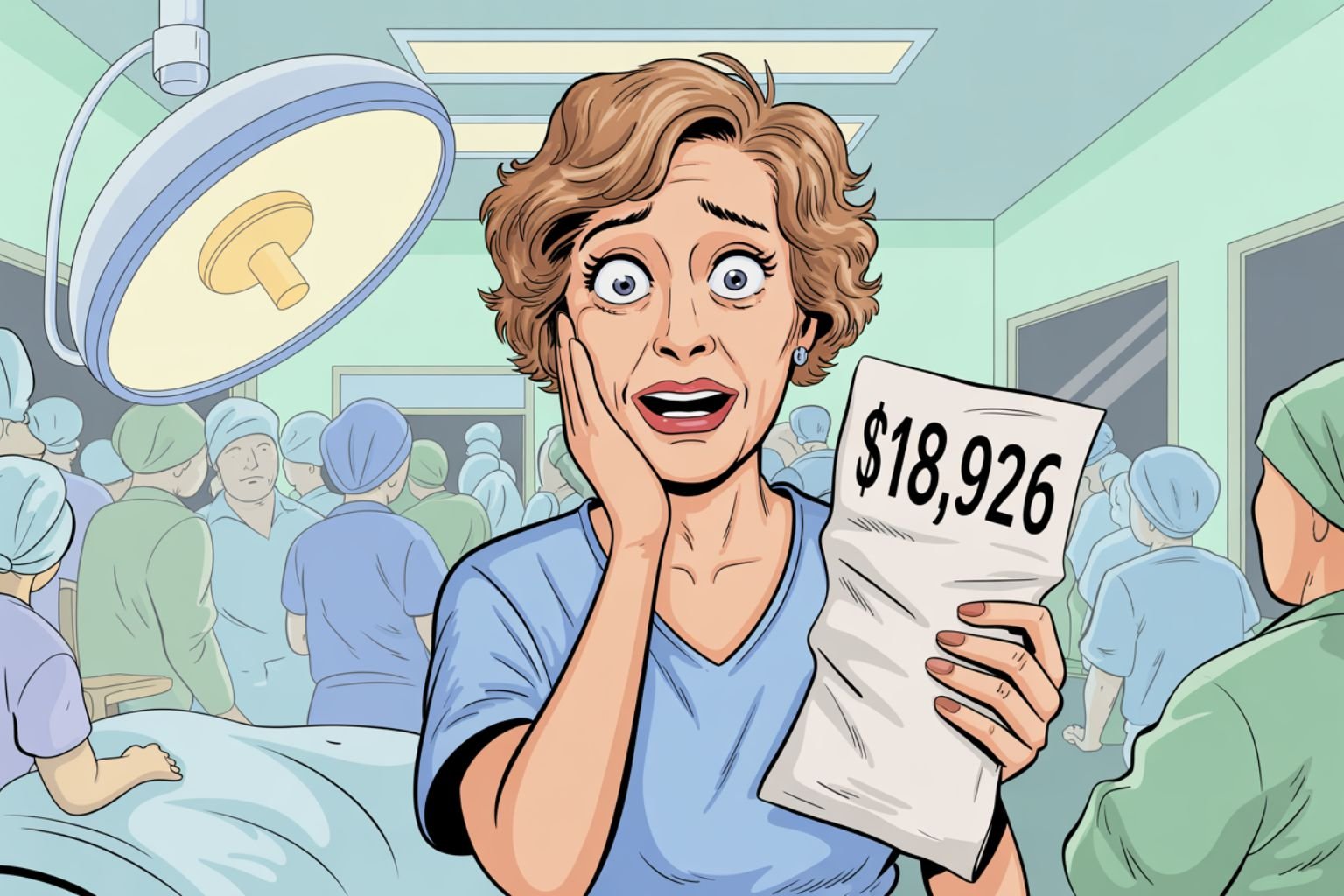
Hien Shields faces an $18,926 bill for emergency spinal surgery after Anthem Blue Cross and its partner Carelon point fingers over authorization. She’s made 80 calls over 21 months – but with the insurer’s two-year claims deadline looming, can anyone fix this?
Question
I desperately need your help with Anthem Blue Cross. Almost two years ago, I underwent emergency spinal surgery after an accident – it was medically urgent to prevent permanent damage. My health insurance company, Anthem Blue Cross, paid the hospital, ICU stay, and anesthesiologist without issue. But it has denied the $18,926 surgeon’s fee, claiming it lacked authorization from its third-party partner, Carelon.
Here’s the maddening part: Carelon repeatedly states that “no authorization is needed” for this emergency procedure. Anthem and Carelon refuse to talk directly, leaving me and my surgeon’s office stuck in the middle, making over 80 phone calls to try and resolve this issue.
Every time we follow Anthem’s instructions, it rejects the claim weeks later for a new reason: “missing records” (they misfiled them), “wrong appeal form,” or “untimely submission” — even when we acted on its directives. We filed multiple appeals, including one Anthem specifically requested during a three-way call. They denied it anyway.
The cruelest twist? Anthem imposes a strict two-year deadline to resolve claims. Our window slams shut in a few weeks. I’m exhausted and terrified of being stuck with this bill. What can I do when the insurer and its own partner can’t agree on their rules? — Hien Shields, Sunnyvale, Calif.
Answer
After having emergency surgery, the last thing you should face is a 21-month odyssey through a bureaucratic maze built on contradictory demands and missing paperwork. Anthem’s obligation wasn’t just to process your claim – it was to provide clear, consistent guidance and ensure that its partners, such as Carelon, are aligned on policies for urgent care. (Carelon provides medical benefits management for Anthem.) Instead, they left you mediating a dispute between their own departments. That’s inexcusable.
Under state and federal law, Anthem was obligated to cover emergency services deemed medically necessary without requiring prior authorization. Anthem paying the hospital and an anesthesiologist tacitly admits this necessity. Denying the surgeon’s fee contradicts their own acceptance of the emergency.
When Carelon stated no authorization was needed, Anthem should have resolved the internal disconnect immediately. Forcing you and your provider to shuttle messages between them violates basic claims handling standards.
Berkshire Hathaway Travel Protection covers consumers and their travel dreams, backed by Berkshire Hathaway Specialty Insurance Company’s financial strength and security. Choose travel insurance designed specifically to your trip and travelers, plus the fastest claims payments in the travel insurance industry. Get more information at Berkshire Hathaway Travel Protection.
🏆 Your top comment
Eighty phone calls is absurd. It illustrates exactly why consumers feel helpless against large insurance companies. Thank you for stepping in to help this patient when the system failed.
– Miles Will Save Us All
Read more insightful reader feedback. See all comments.
Losing records, giving conflicting instructions, and ignoring appeals until deadlines nearly expired are a problematic business practice. California law requires timely responses (typically 30 days for claims, 60 for appeals). Anthem’s 30- to 45-day delays per step, coupled with constant requests for the same documents, sure looks like foot-dragging.
While you did nearly everything right – documenting calls meticulously, enlisting your provider’s help, and persisting through appeals – starting your written paper trail earlier could have accelerated things. After the first denial, sending a formal appeal creates a better record. Always get names and reference numbers from every call. If a rep promises action (“We have everything now!”), ask for an email confirmation.
Your logs proved the absurdity of more than 80 calls. Imagine their impact paired with a formal demand letter citing Anthem’s policy breaches. When companies stonewall, escalate to executives. I publish contacts for exactly this reason: Here are the names, numbers and emails for Anthem Blue Cross.
I contacted Anthem several times on your behalf, highlighting the authorization paradox and the looming deadline. In a stunning but telling twist, your surgeon’s office zeroed out the $18,926 charge shortly after my inquiry. While I’m relieved for you, this resolution is bittersweet. It underscores a grim reality: Providers sometimes abandon valid claims because fighting insurers is more costly than the debt itself.
Infographic: When an emergency surgery claim stalls
What triggered the dispute
Emergency spinal surgery
Doctors deemed the procedure medically urgent to prevent permanent damage, triggering emergency care protections.
Partial payment, partial denial
Anthem paid the hospital and anesthesiologist but denied the surgeon’s $18,926 fee.
Where the system broke down
Conflicting rules
Carelon said no authorization was required, while Anthem insisted it was missing.
Delay by design
Appeals dragged on for 21 months as records were misplaced and instructions changed.
What this case shows
Emergency care rules exist for a reason
Insurers are required to cover medically necessary emergency services without prior authorization.
Persistence matters
Documentation, escalation, and outside scrutiny often determine whether claims are resolved.
If standard Anthem customer service has not addressed your issue, you may consider escalating your complaint to the executives below.

your voice matters
This case highlights how insurance disputes can drag on when companies and their partners give conflicting guidance. Readers often bring valuable perspective from their own experiences navigating emergency care, claims deadlines, and insurer denials.
Have you ever been caught between an insurer and a third-party administrator who could not agree on authorization rules?
Should insurers be allowed to enforce strict claim deadlines when delays are caused by their own internal breakdowns?
What would you do if a valid emergency medical claim was still unresolved after nearly two years?
Related reads: Insurance Issues