
British police forces could use Elon Musk’s Starlink for emergency phone communications under plans to support a long-delayed overhaul of the forces’ radio system.
Officials are exploring whether Starlink’s satellite signals could expand a new critical communications system known as the Emergency Services Network (ESN), which is due to replace the existing radio setup used by ambulance, police and fire services.
It could allow nationwide coverage of the system, which has been repeatedly delayed and is billions of pounds over budget.
The UK Space Agency has invited interested parties to discuss how satellite signals could be used to boost the ESN, which is set to be provided by BT, the owner of the EE mobile network.
BT currently works with Starlink, owned by Mr Musk’s SpaceX, on home broadband technology. While EE has tested Starlink in the past, it has not yet reached its own commercial satellite deal.
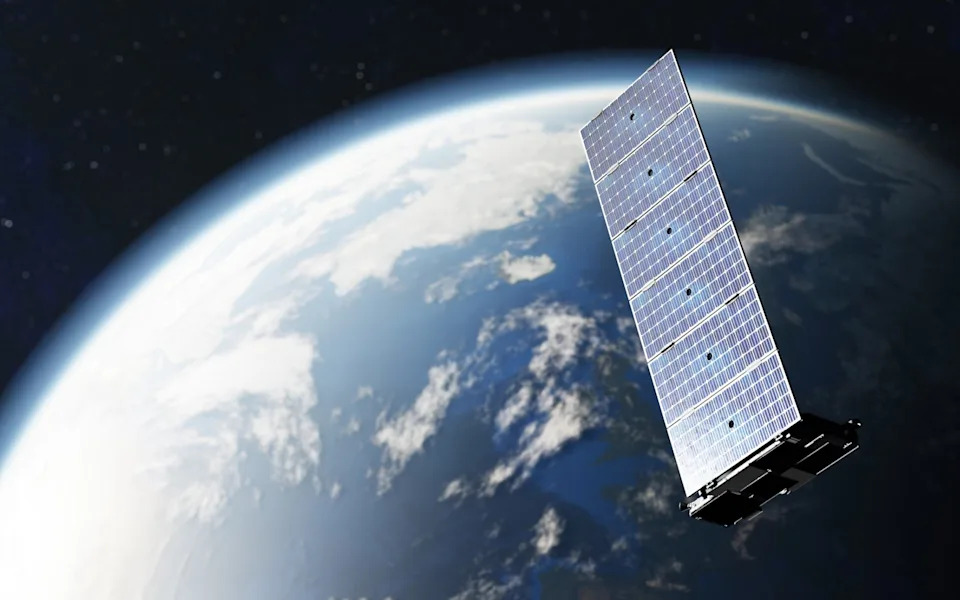
Starlink already provides coverage to around 150 countries and territories globally – Adobe Stock
The ESN, which is due to replace the radio Airwave system currently used by emergency services, has faced repeated delays since it was first proposed during the Coalition government.
Although it was meant to start being used in 2017, Whitehall officials now say it will not be introduced until 2029 at the earliest.
The programme was designed to save the taxpayer billions of pounds by replacing Airwave, the bespoke radio system introduced in 2000, with a system that runs on existing mobile networks.
However, it has been held back by technical problems and the loss of the programme’s main provider, Motorola – meaning the Airwave system has been repeatedly extended at the cost of billions.
The existing Airwave system covers 99.9pc of Britain’s landmass, which traditional networks struggle to match.
The total cost of ESN has risen from an original £6.2bn estimate to £14bn, and industry sources have suggested that this could increase further, with slow progress on the system potentially meaning the existing Airwave system being extended again.
Satellite technology like Mr Musk’s Starlink could help the new system work even in traditional notspots.
Direct-to-device satellite technology uses the same mobile spectrum as existing networks, meaning smartphones do not need any modifications to pick up signals provided from space.
Starlink also has a deal with O2 that will see the network’s customers be able to send texts and use apps even in signal blackspots from next year. Vodafone, meanwhile, has a separate deal with rival satellite provider AST SpaceMobile.
Starlink rival Kuiper, which is backed by Amazon, has also expressed an interest in providing mobile signals in Britain.
Ofcom cleared the way for mobile signals from space earlier in December, making Britain the first country in Europe outside of Ukraine to approve the technology.