
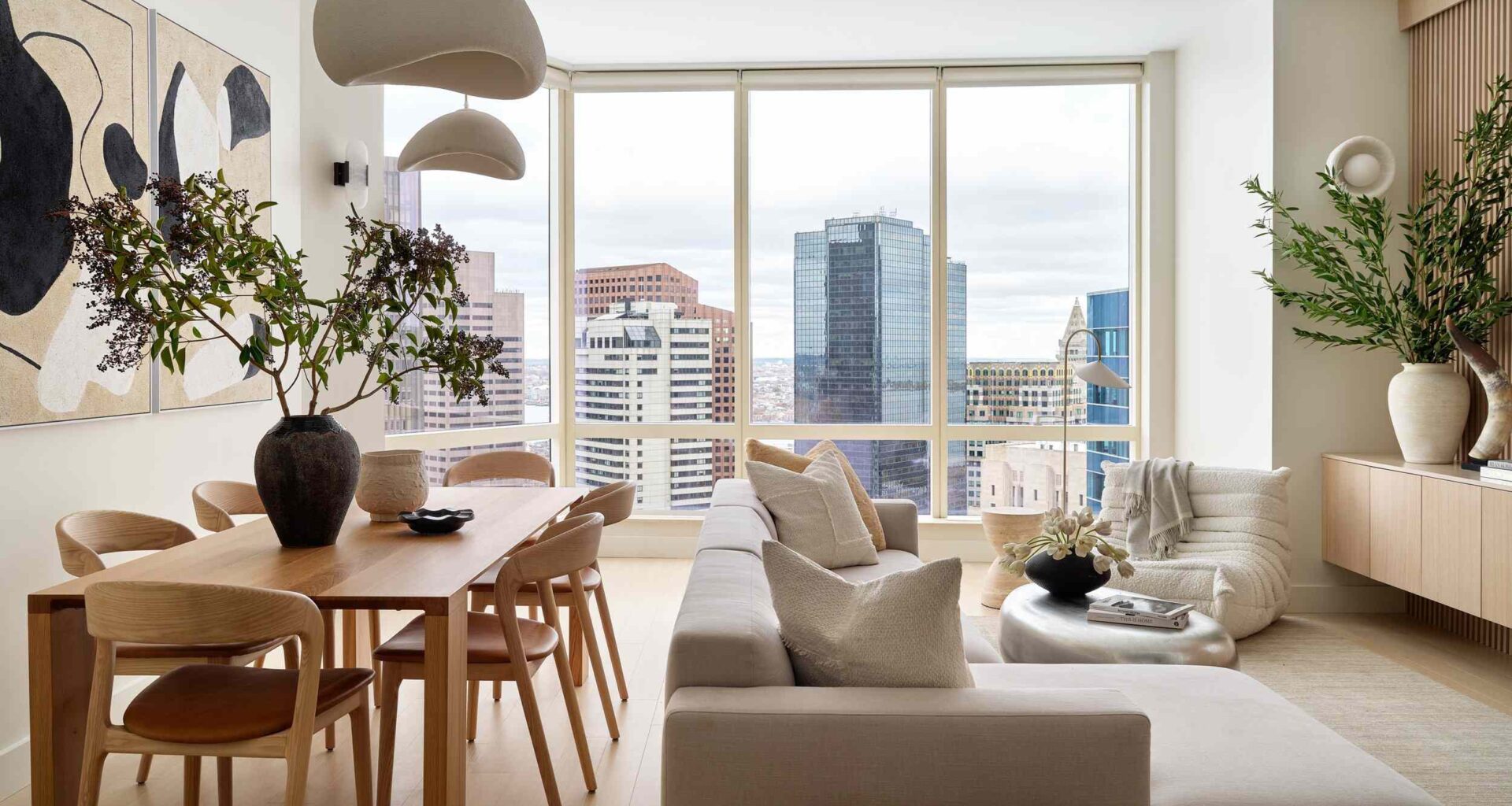
Key Points
Bring in natural materials to create an organic feel.Layer in a variety of soft textures to add coziness.Choose soft, warm lighting for a relaxing ambiance.
Decorating your home isn’t just about making it pretty. Every decision can help you to design a tranquil oasis that feels as good as it looks.
“Creating a calm room isn’t a luxury anymore—it’s a necessity,” interior designer Darci Hether says. “Our homes are the one place where we can soothe our nervous systems, feel grounded, and tune out the constant noise of the outside world.”
For interior designer Lauren Saab, walking into a space that feels composed has an instant effect on frazzled nerves.
“A space that feels composed lets your mind slow down in a way you immediately notice,” she explains. “Your attention does not jump around between objects, and the room has a sense of ease.”
We asked Hether and Saab to identify the top decor choices that they rely on to make a room feel calmer.
Meet the Expert
Darci Hether is a New York-based interior designer.
Lauren Saab is an interior designer and the founder of Saab Studios in Dallas.
Natural Materials
Credit:
Introducing natural elements that bring the outdoors inside are a foolproof way to make your interior feel calming. Natural materials such as wood, stone, linen, and wool introduce texture without shouting for attention, Saab notes.
“These natural materials age well and provide a grounding element that adds a sense of warmth to a space while eliminating overstimulation,” she says.
Want more design inspiration? Sign up for our free daily newsletter for the latest decor ideas, designer tips, and more!
Soft, Layered Lighting
Credit:
Design by Tyler Karu / Photo by Erin Little
Soft, layered lighting calms every room instantly, Saab assures.
“Soft lights provided by lamps or sconces create a warm glow and eliminate the harsh contrasts that create visual clutter in a space,” she explains, adding that this soft layering of light is particularly beneficial in bedrooms, living rooms, and kitchens.
Simple Color Palettes
Credit:
“A sense of cohesion is one of the most effective ways to create a tranquil environment,” Saab says.
An easy way to achieve this is by using simplified color palettes without bold contrasts to support calm in high-activity rooms like kitchens and living rooms.
“When the eye moves through a space without sudden shifts in saturation, the whole room reads as cohesive, and the mind follows suit,” she explains.
Layered Textures
Credit:
Emily Henderson Design / Photo by Sara Ligorria-Tramp
Hether relies on layering in “touchable materials” to make a space feel calmer.
“A sumptuous rug underfoot, a velvet throw pillow, or a bouclé accent chair adds instant coziness and signals the body to relax,” she explains. “Those tactile moments soften the energy of a space and create a sense of warmth and comfort.”
Tonal Paint Colors
Credit:
Tonal paint colors that have been softened with a touch of gray—such as blue-gray, taupe, or greige—create a “hushed and enveloping” feel, Hether says.
“These muted shades create a cocooning effect and are especially grounding in bedrooms, living rooms, and any place where you want to unwind,” she suggests. “They allow the rest of the design to breathe and instantly quiet the mood of the room.”
Curved Silhouettes
Credit:
Hether looks to curved forms on furniture and decor to create a sense of ease.
“Whether it’s a chair with a rounded back, a circular dining table, or even a round mirror, those gentler shapes feel more welcoming than sharp angles,” she notes. “Curves guide the eye smoothly around a room, which subtly lowers visual tension.”
What to Avoid for a Calm Space
Which decor choices make rooms feel stressful or chaotic rather than peaceful and serene?
“Anything that overstimulates the senses will work against calm,” Hether advises, naming clutter as the biggest culprit. “Editing thoughtfully and choosing pieces that feel harmonious is key.”
Saab cautions against overusing color and pattern.
“Large-scale patterns in small rooms overwhelm the architecture and create visual chaos that makes the space feel tighter than it is,” she says. “Too many competing colors have the same effect, because the eye keeps bouncing from one element to the next and never finds a place to settle.”