
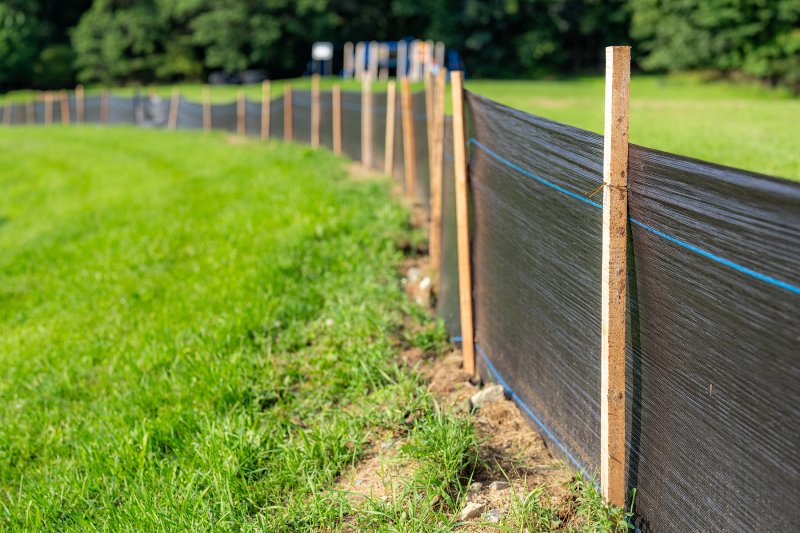
Adoption of county rules to help prevent stormwater runoff from large construction sites from harming neighboring properties and the environment was delayed until June to allow further review.
At the request of the Sussex Conservation District, Sussex County Council agreed at its Dec. 9 meeting to allow district officials six months to study the proposal, which was drafted with the district’s advice.
Sussex Conservation District Coordinator David Baird told council that a six-month delay would be more than enough time.
“A lot of conversations have been taking place, and there’s been a lot of heavy lifting done to get us to where we are,” Baird said. “You certainly heard the message we were delivering and have taken action.”
“I look forward to hearing from the Sussex Conservation District ensuring this proposed ordinance is agreeable to the district and has their full support,” said Councilman Steve McCarron.
McCarron and Hans Medlarz, a county engineer who drafted the proposal, presented the evolving plan to district officials while it was being formulated.
Council members and county staff agreed to a delay in approving the plan but expressed optimism that the process will take much less than six months.
“I think we should not wait,” County Administrator Todd Lawson said at the Dec. 9 meeting.
“We’ve got great momentum,” Lawson added. “We should keep this moving. I’d like to be back to you guys by January with an update and perhaps even a fix, a compromise. We’re that close. There’s no reason to delay. That’s our pledge to try to keep it going.”
The following day, the county planning & zoning commission unanimously recommended approval of the draft, accompanied by a series of terms and conditions offered by Commissioner Jeff Allen.
Allen noted that several instances of sediment releases during storms occurred at projects that were approved before the county adopted its current regulations concerning stormwater controls.
He cautioned the county should determine whether the stormwater problem facing the county is inadequacy of laws or failure to enforce rules that could have limited runoff.
“If this is truly an enforcement issue, then that should be improved instead of adding additional regulations that will still be subject to the same level of enforcement,” Allen said.
He recommended a series of changes to the draft, some improving the wording and others tweaking the rules.
“What really sparked all this, it really started back in 2024, if not sooner than that, with a series of rainstorms and calls to the conservation district – what seemed like every week – numerous, repeated spillage of sediments into waterways,” Councilman John Rieley said Dec. 9.
The county began to take action this spring after serious problems occurred from flooding, and it became clear that additional rules were needed to prompt developers to keep soil from being washed off-site, he said.
“The goal is, you can’t flood out your neighbor because of actions you’re undertaking on your own property,” Rieley said.
Work began in April on rules to require additional steps to control runoff, based on the size of cleared ground, the slope of the land and the size of the upstream area from which water drains.
The county eventually shifted its approach from threats of punishment for violators of the planned rules to setting design standards that would improve how developers controlled stormwater runoff, Medlarz said.
After months of drafts and revisions, council members said they are anxious to act.
“I’m favorable to coordination and working well with our colleagues,” said Councilwoman Jane Gruenebaum. “Six months strikes me as a pretty significant amount of time when this has been going on since April.”