
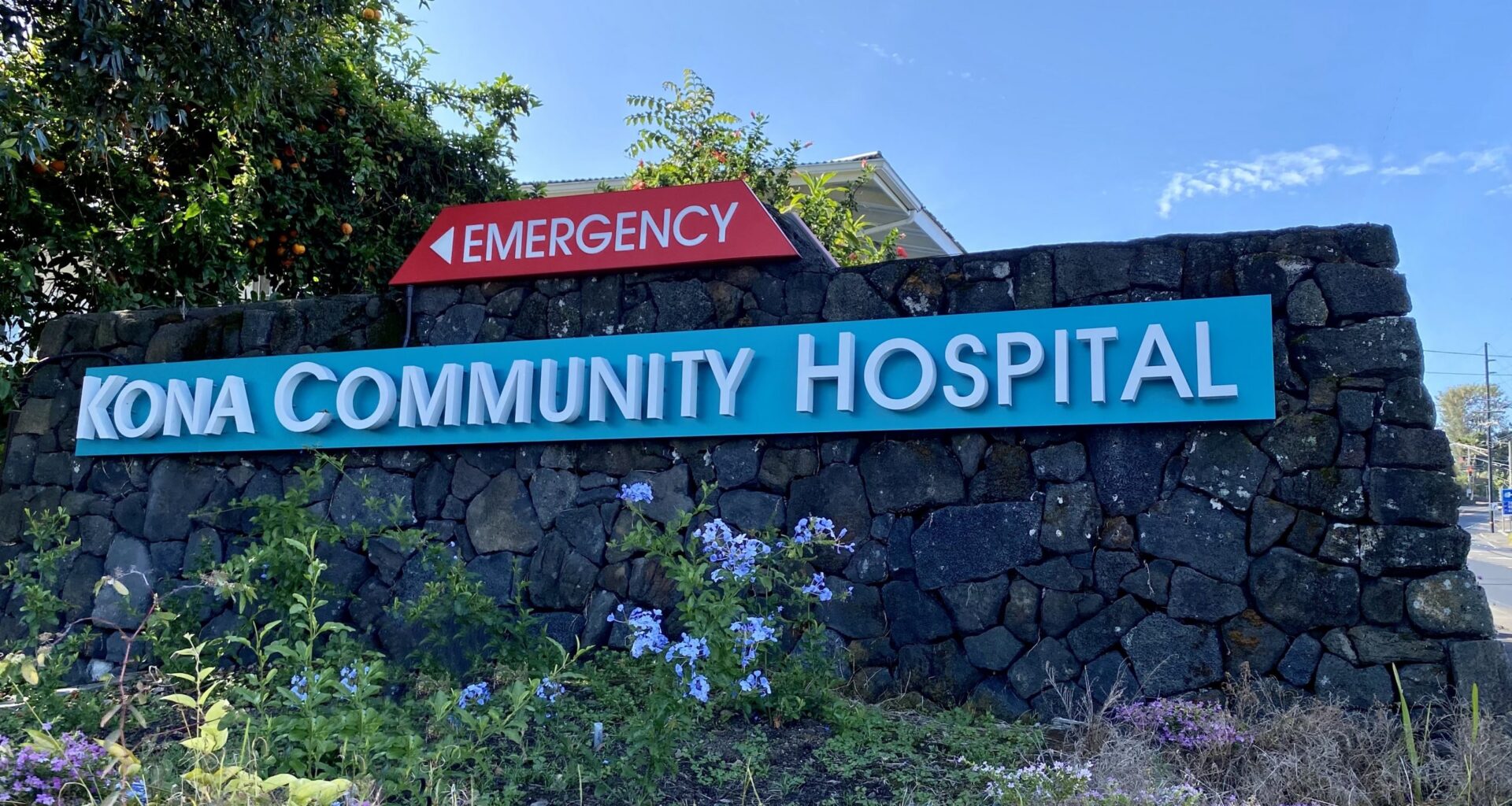
Hawaiʻi’s chronic shortage of physicians went from bad to worse in 2025, and when the state’s geography and the needs of its rural residents are taken into account, it got worse yet.
That’s according to the most recent report to the state Legislature from the Hawaiʻi Physician Workforce Assessment Project of the University of Hawaiʻi’s John A. Burns School of Medicine. The project began in 2010.
The report found that of 12,688 licensed physicians in Hawaiʻi less than a third — 3,647 — provide patient care. Add to that the fact that not all doctors practice full time and the actual number of full-time physicians serving patients in 2025 penciled out to just over 3,000.
That’s down slightly from 2024 — and 644 doctors short of the need, the report said.
The gap grows to 833 full-time physicians when the state’s geography is factored in. That’s because specialties such as intensive and emergency care and psychiatry cannot easily be shared across the islands. An emergency room physician on Oʻahu doesn’t fill the need for emergency room physicians on neighbor islands, for example.
Regardless of their insurance status, state residents pay a big price for the deficit, said Kelley Withy, a physician at the University of Hawaiʻi’s John A. Burns School of Medicine who oversees the study and is its primary researcher.
“If you don’t have the provider you need, you are going to have medical problems,” Withy said. “If we don’t have enough providers it doesn’t matter if we all have insurance. We can’t get care.”
Neighbor Islands Face Biggest Shortages
Of the state’s four counties, Hawaiʻi County had the biggest shortage; it needed 224 doctors to fill its demand gap, up from 201 last year. That means its supply of physicians needs to grow by 43% — nearly twice the chasm statewide.
The Big Island’s shortage was tragically exacerbated in December by the Christmas Eve death of Judith Fitzgerald, 74, a longtime emergency physician at Hilo Benioff Medical Center who was killed in a car accident caused by an alleged drunk driver.
On Maui, which has seen an exodus of medical workers since the 2023 wildfires, the shortage was 179 doctors. That’s partly because several medical facilities that were destroyed have not been replaced. The report found that the county’s physician population needs to grow by 41% to meet its needs.
Maui had the greatest shortage of primary care physicians among all four counties; it was shy of demand by 45 primary care doctors, whose numbers need to grow by 35% to meet its need, the report found, more than double the statewide percentage shortfall.
By comparison, the Big Island was short 21 primary care doctors, and needs to grow that sector by 14% to fill its gap.
Summer Mochida-Meek, executive director of the Hawaiʻi State Rural Health Association, said it’s clear who bears the brunt of the shortage.
“It’s an access issue that not only affects our rural communities worse, but our neighbor island communities, because the long wait times become longer because of the shortage,” she said. Patients who need more care often have to travel to Oʻahu for specialty care and — increasingly — basic primary care, and she said insurance often doesn’t cover those costs.
“What happens is people aren’t going in to see their physicians unless it’s an emergency, and so now we’re inundating our ERs, which are already overloaded,” Mochida-Meek said. “We’re going from preventive care to crisis care.”
Doctors Are Retiring, Leaving
The state’s cost of living and housing prices deter physicians from practicing in Hawaiʻi, the report said.
“Hawaii is worse off because we do not pay our physicians commensurate with what they would make on the continent,” Withy said. “And they have to be able to buy a house. If they can’t buy a house, they’re not going to stay.”
Other reasons for the growing shortage reflect nationwide trends. The general population is aging and needs more care — in Hawaiʻi, one in four residents will be over 65 by 2030. Physicians are also aging and considering or entering retirement; a quarter of Hawaiʻi’s doctors are already 65 or older.
“They’re here for one, two, maybe three years and then they move back.”
Summer Mochida-Meek, executive director, Hawaiʻi State Rural Health Association
Others give it a go and then pack it in, Mochida-Meek said
“People come in thinking that they’ll have a great life. Set up a practice here. But housing is expensive. Childcare is expensive,” she said. “They’re here for one, two, maybe three years and then they move back (to the mainland). So not only do we have a big pool of retirement age physicians, but we have a big outmigration of our physicians as well.”
The report said that in 2025, more than 88 physicians moved away, while at least 81 retired.
The state needs to add 100 physicians a year more than it loses to meet projected demand, the report said. It outlines a number of measures that could alleviate the shortage, and notes some have begun already.
A program to repay the medical loans of health care professionals who commit to working in Hawaiʻi has covered the education debt of 928 people in the state, a program that offers discounted mortgages to physicians is underway and lobbying efforts to increase Medicare reimbursements are ongoing.
The “clear winner” in a survey of physicians about what would improve Hawaiʻi’s health workforce, the report said, was higher pay. That was followed by a call to provide housing for health-care professionals and to create incentives for healthy patient behavior.
The state on Dec. 29 was awarded $189 million in federal Rural Health Transformation Program funds. The $50 billion program was created in the July 2025 domestic budget spending bill to offset the impacts of Medicaid cuts on rural areas. The state, in its application for the first round of funds, said the money would go toward initiatives including digitally connecting rural medical facilities, expanding telehealth services, and expanding the education, recruitment and retention of health care workers in rural Hawaiʻi.
Civil Beat’s community health coverage is supported in part by the Atherton Family Foundation.

Sign up for our FREE morning newsletter and face each day more informed.
Sign Up
Sorry. That’s an invalid e-mail.
Thanks! We’ll send you a confirmation e-mail shortly.