
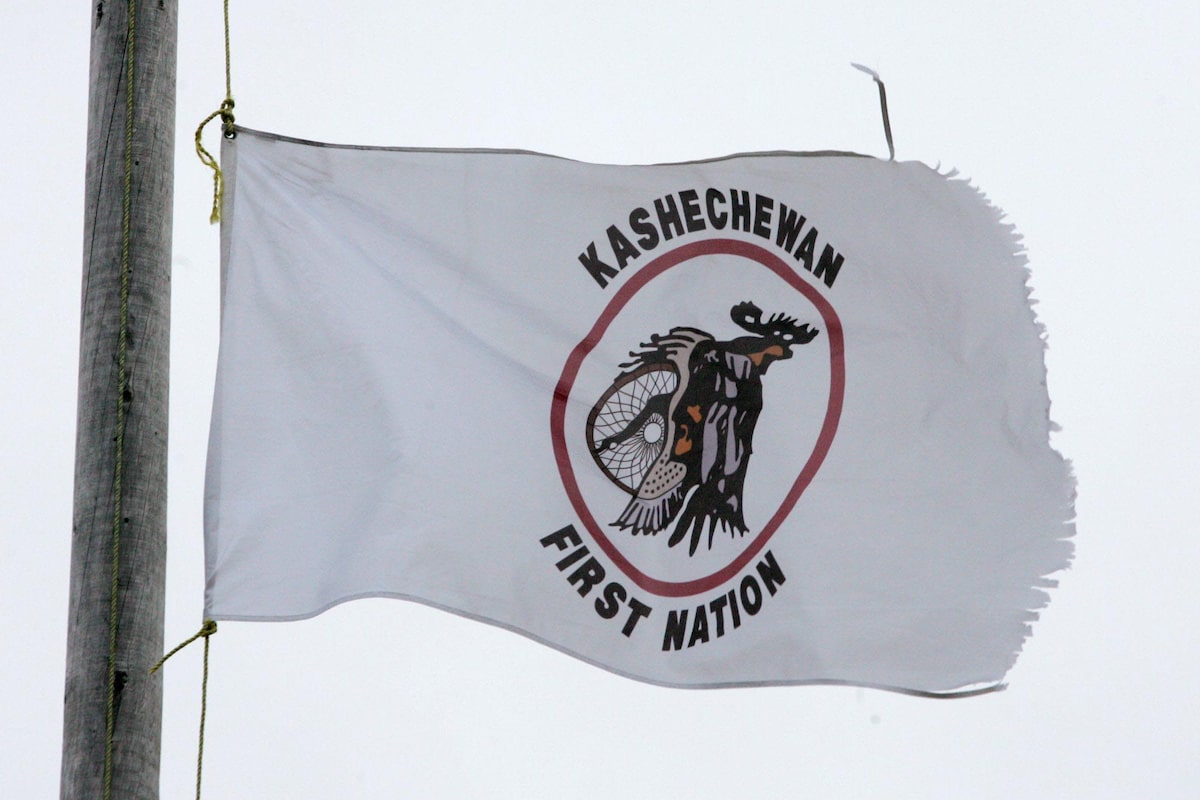
Evacuation has begun for residents of a remote First Nation in Northern Ontario facing issues with its water treatment plant, with 500 vulnerable people leaving first and the rest of the 2,200-person reserve to follow.
Tyson Wesley, executive director of Kashechewan First Nation, said it is dealing with multiple critical failures related to its water and wastewater treatment plant, which is more than 30 years old. The fly-in community, located near the James Bay coast, declared a state of emergency on Sunday.
Indigenous Services Canada spokesperson Eric Head said co-ordinating partners of the provincial emergency operations centre, which include representatives from the federal government, the province and the community, met Wednesday to begin evacuation planning.
Five hundred vulnerable people were identified as a first priority, and flight dates and times are still being confirmed, he said, while evacuation planning for the rest of the community “is still being co-ordinated.”
In an interview, Mr. Wesley said that five flights – each with about 37 people – took off Thursday and landed in Kapuskasing and Timmins, Ont.
Ottawa duty-bound to provide safe drinking water to First Nations, federal judge rules
Further evacuations are dependent on weather and flight allocations, Mr. Wesley said.
“We’re hoping to get as much out as we can in the next coming days,” he said, noting that Kingston and Niagara Falls have been identified as cities with space to accommodate people.
The contamination of the community’s raw water tank required the complete shutdown of its water treatment plant, Mr. Head said. This led to a “do not consume” order and Indigenous Services approving the distribution of bottled water.
Mr. Wesley said there were also pump failures at the sewage lift stations in December, and that the plant has suffered heating problems.
“We are having water leaks everywhere,” Mr. Wesley said, adding that water pipes in homes are “busting because there is no water flowing in there.”
First Nations chiefs press Ottawa to revive drinking water bill
Mr. Head said repairs are now under way, and that the company doing the work “was able to get the replacement pump installed in the lift station and is bringing in additional equipment” to the community.
Beyond the plant issues, the nursing station has also been flooded and now smells of sewage, Mr. Head said, leading to emergency health services being temporarily relocated to the community’s school. The First Nation has also said that its fire hydrants are frozen, posing a safety risk.
Mr. Wesley said that timelines around both evacuation and repairs are currently uncertain.
“Investing in our infrastructure adequately would save taxpayer money when we’re spending millions of dollars evacuating us from our communities during these emergencies,” he said.
This is not the first time Kashechewan First Nation has faced water-related problems. In 2005, more than 800 residents were evacuated because of E. coli contamination. Up to 200 residents were also evacuated in 2024.
First Nations voice concerns over lower drinking water funding in federal budget
The community was built on a flood plain, and the spring thaw often makes evacuations necessary. In 2019, the First Nation signed an agreement with the federal and provincial governments to move it to an area nearby.
Mr. Head said Indigenous Services approved $8.4-million last month to complete detailed planning studies for the community’s relocation.
“The First Nation has engaged a team of infrastructure and urban planning professionals to undertake multiple activities, including community engagement, site reconnaissance and geotechnical analysis,” he said.
Mr. Wesley said the plans to move the community factor into the current situation.
“They don’t want to spend the millions it’s going to need to put a new water plant in here because they promised us and that some day, that you’re going to move,” he said, adding the government has been “dragging its feet” on the promise.
“Today, our people are paying the price from the government’s inaction.”