
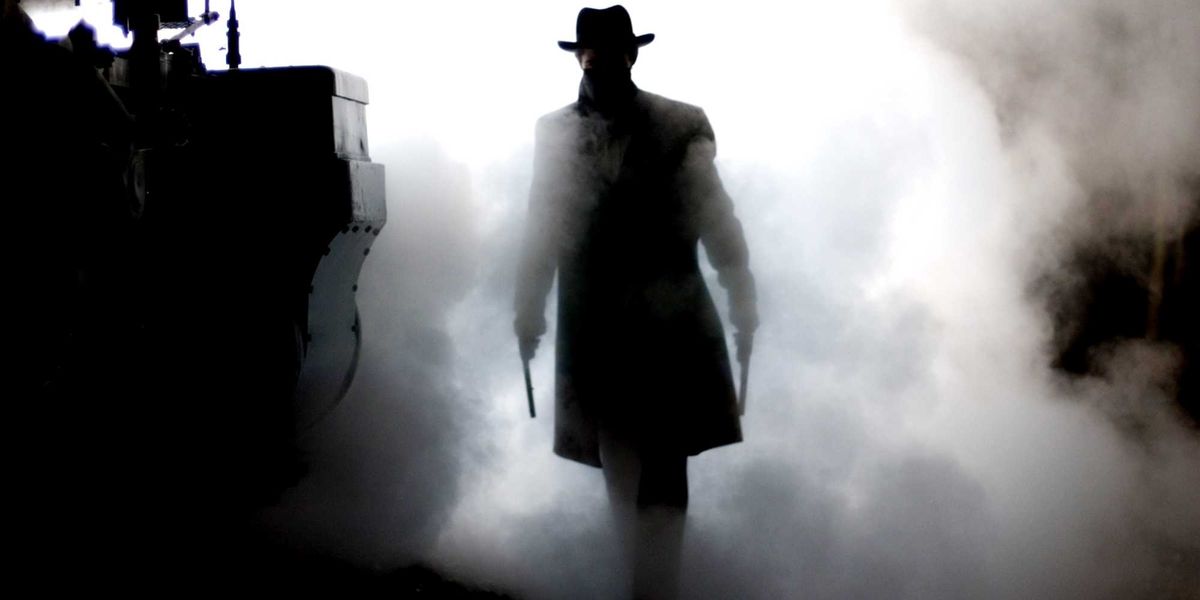
If you want to improve as a cinematographer, there’s one practice that can help you get better.
And that is… analyzing your work and others.
It sounds easy, but it’s actually an in-depth process. It doesn’t mean watching a bunch of stuff passively. It’s more like stopping on a single frame and trying to figure out all the behind-the-scenes magic happening in a split second, so you can understand it and utilize that knowledge yourself. So, no—simple, but not fast or easy.
Cinematographer Spenser Sakurai shared his own early career progression in a recent video.
When he was getting started, he shot a Pixies music video relying entirely on intuition. The video succeeded, getting a million views, but he knew the images could have been even better. (We’re all perfectionists, after all.)
When the band asked him back for another video, he changed his approach. Instead of trusting his eye and hoping for the best, he spent time analyzing films and commercials he admired. He broke down individual frames. He compared shots from big-budget productions to his own work, looking for patterns. He studied hard and prepped.
By the time he walked onto set for the second video, he had a plan. Here’s how you can do the same.
How to Think Like a DP
Pick shots you admire and examine them closely. Write down what you observe.
Start with composition. Look at how elements are arranged within the frame. What makes it look “good”? Does it follow the Rule of Thirds, placing key subjects along those imaginary grid lines? What about headroom and negative space—how much empty space exists around subjects, and what does that communicate? Our guide to giving characters power through composition explains how placement affects audience perception.
Examine color. What’s the dominant color palette? How does it affect the emotional tone? Our piece on color psychology in film explains how different colors trigger specific emotions. You can also read how Lawrence Sher, DP on The Joker, talked about color and broke down how hue, saturation, and value work together to create meaning.
Consider depth. What’s happening in the foreground versus the background? How much of the image is in focus? Check out how depth of field factors like aperture, focal length, and subject distance all contribute. Understand the difference between deep depth of field and shallow focus.
Look at camera movement and angles. Is it a wide shot establishing location, or a close-up revealing emotion? Or a medium shot?
Our comprehensive guide to 50+ camera angles and shots covers everything from establishing shots to extreme close-ups.
Think about the technical side, like lens choice. A 50mm lens creates a natural perspective, while an 18mm wide-angle adds spatial distortion. Our primer on focal length explains how lens choice affects both field of view and depth compression. Understanding frame rate is important, too. Are you trying to achieve slow motion?
Our piece on studying films shot by shot examines the process of breaking down an entire film and how describing and analyzing each shot becomes more natural with practice.
For examples of professional analysis, check out how acclaimed DP Roger Deakins breaks down his best films, where he examines specific scenes from Blade Runner 2049 and 1917, explaining his camera choices, lighting setups, and color decisions.
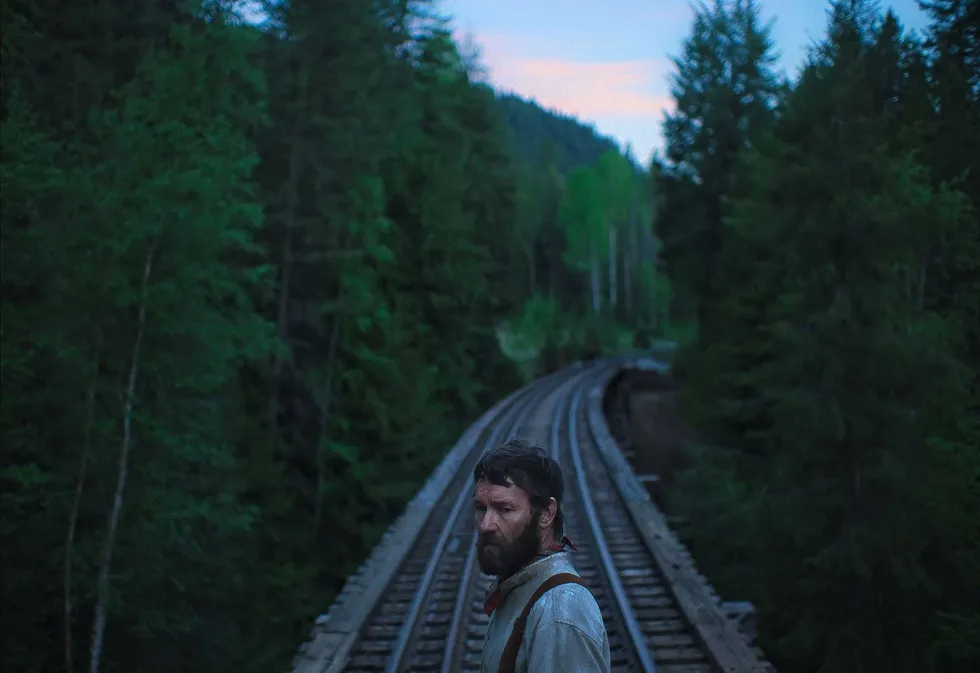 Train Dreams Credit: Netflix
Study Light Specifically
Sakurai said that analyzing light was especially important to his improvement.
Where is the light coming from? What’s its intensity and direction? How does it influence the mood of the?
Our 13 essential lighting techniques guide covers fundamentals like key light, fill light, and backlighting. What about motivated lighting? That’ll help you look at many modern films.
Our lighting terms guide gives you the vocabulary to articulate what you’re seeing. Consider mastering three-point lighting. If you’re struggling with basic lighting setups, that’s your starting point.
For practical application, Sakurai’s own video on lighting an entire film with tube lights can help you understand that it’s not always the fanciest gear; it’s more about basic principles in action.
Compare Your Work to the Pros
Sakurai’s process included comparing his shots to professional work.
Shoot something, then put your frames next to images you admire. What’s similar? What’s off? The gaps will probably be obvious.
Maybe you see a ton more contrast in the expert’s work. Maybe your lighting lacks direction or motivation. Do your frames look flat and lifeless? How might you fix that?
For understanding modern approaches, check out our piece on One Battle After Another‘s cinematography, which examines how breaking some cinematography rules can work, if you know how to do it. Paul Thomas Anderson’s DP Michael Bauman made choices that some would call technically wrong, but they work because they serve the film’s chaotic energy.
Deakins is an excellent DP for study because his work is so consistently strong across different projects. Our best Roger Deakins movies breakdown examines how he uses color, composition, and silhouettes differently in films like Blade Runner 2049, The Shawshank Redemption, and No Country for Old Men. Deakins’ philosophy on cinematography is valuable.
But obviously, you have a lot of choices for modern cinematographers shooting in various ways. We just talked to Bugonia DP Robbie Ryan, for example, who shot on VistaVision. Think about how diverse talent can be shot and lit in different ways, too, like on Rap Sh!t.
You can’t always copy the large-scale works. Those DPs are probably shooting on very fancy cameras or on film stock, which is just a dream for many of us. But by looking in the direction you want to go, you can start to troubleshoot the things you want to fix.
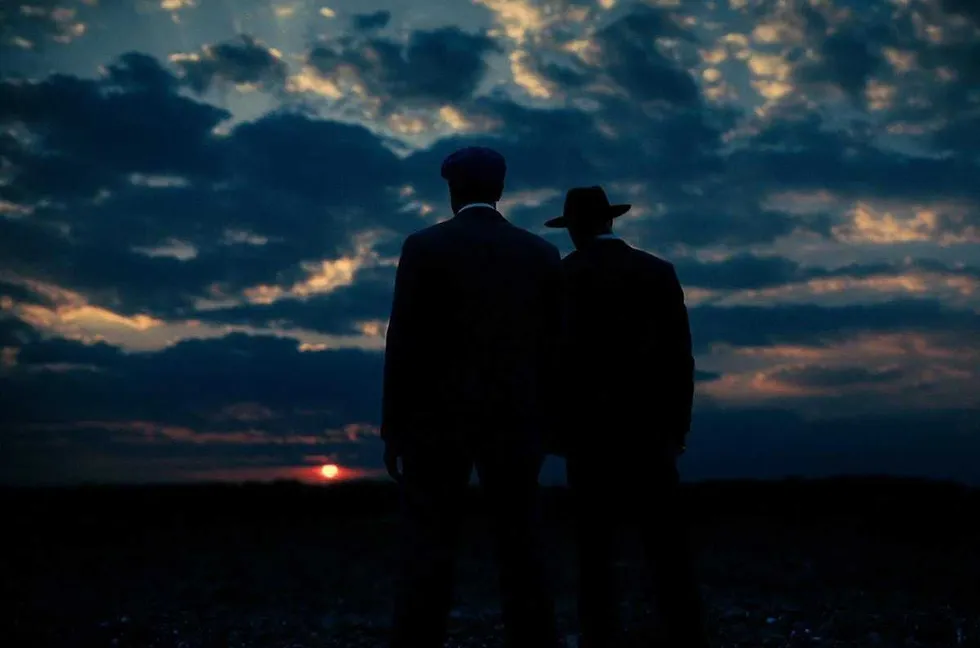 Sinners Credit: Warner Bros. Pictures
Now You Can Have a Plan Before You Shoot
The payoff of analysis and practice is walking onto set with a plan instead of hoping your intuition just holds up. You might be able to get by on pizzazz for a while, but eventually you probably need to demonstrate you know exactly what you’re doing.
This shot list and script lining guide explains how to translate analysis into plans for your own shoots. Understanding what you want to achieve before you start the day is going to make execution dramatically easier. Then you’re not figuring it out in the moment, flying by the seat of your pants.
Cinematographers who consistently deliver strong work have built frameworks through this kind of deliberate prep. Talent gets you started, but the study keeps you working at a high level regardless of budget.