
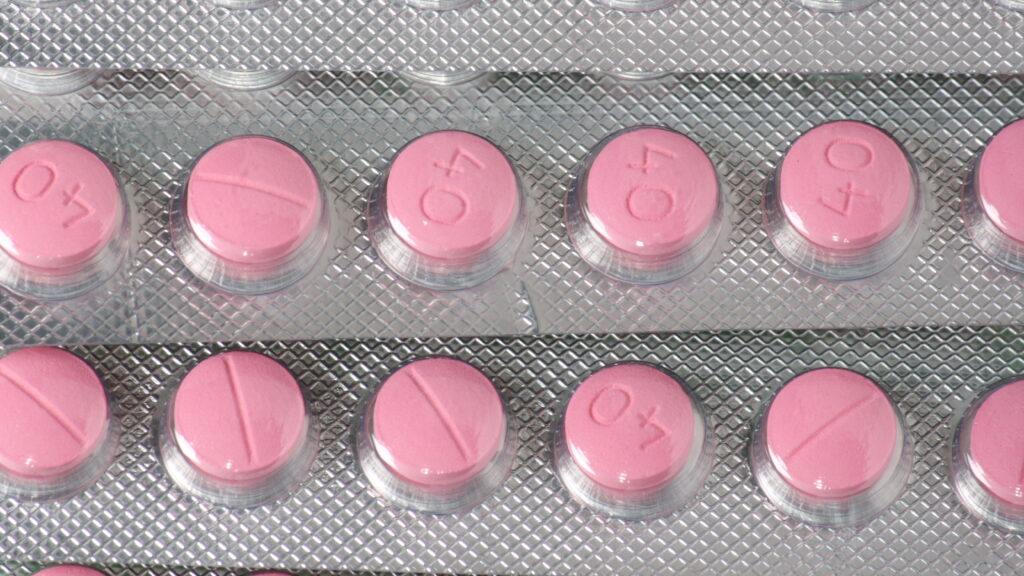
If you’re a woman of a certain age, your social media feed may be filled with claims that a single therapy will fight wrinkles, lessen brain fog, control weight, ease achy joints, spur hair growth, and prevent heart attacks — just some of the many claims made for menopausal hormone therapy by a leading telehealth company.
And they’re not the only ones hyping these hormones: Pharma-funded groups and physician influencers are also promoting menopausal hormones as the gateway to improved health and well-being. This isn’t anything new, though. Women and their physicians are in desperate need of a history lesson.
Premarin, the first widely advertised estrogen, was promoted in the 1950s and 1960s to maintain youth and beauty. Estrogen was presented as an elixir that helped not only hot flashes, but also nervousness, fatigue, depression, and restless nights for almost every aging woman. “Husbands, too, like Premarin,” boasts a particularly patronizing medical journal advertisement from 1958.
In the mid-1970s, after studies showed that estrogen caused uterine cancer, hormone sales crashed. Pharmaceutical companies laid low for a while, then added progestin to counter estrogen’s cancer-causing effects and launched a new promotional campaign.
This time around, estrogen-progestin combinations were promoted to prevent diseases of aging. The campaign claimed that hormones prevented cardiovascular disease, stroke and dementia, and helped women live longer. These weren’t completely fabricated claims, as observational studies, which simply compared hormone users with non-users, did show that hormone users had fewer heart attacks and less dementia than women who were not taking hormones.
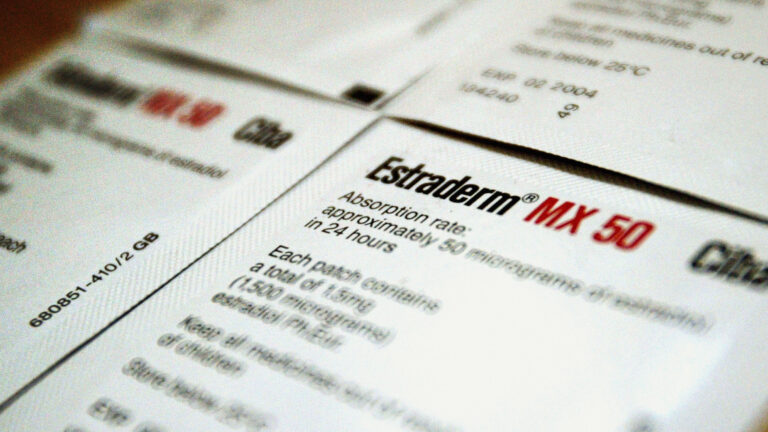
FDA reverses decades-old warning on hormone therapy products for menopause
In the 1980s and early 1990s, hormone sales soared, and Premarin became the No. 1 prescribed drug in 1992. Most hormone users were taking the drugs to prevent chronic disease.
But observational studies hid something important: Hormone use didn’t improve health, but instead was a marker for healthy behavior. Hormone users were wealthier, exercised more, smoked less, and had lower blood pressure, so, yes, they had less chronic disease, but it wasn’t because of hormones.
Observational studies can never prove benefits, which is why studies in which people are randomly assigned to drugs or placebos are so important. In the 1990s, Wyeth, a manufacturer of estrogen drugs, tried to get hormones approved for cardiovascular disease prevention. The FDA rejected the claim, because no randomized controlled trials had been done.
Nonetheless, doctors kept prescribing menopausal hormones as preventive medicine. The first randomized controlled trial of hormones in women with cardiovascular disease found no benefit.
Then came the National Institutes of Health-funded Women’s Health Initiative (WHI), which tested these hormones in healthy women.
More than 26,000 women age 50-79 (almost a third were women in their 50s) enrolled in the WHI, the largest randomized controlled trial of hormones on women ever conducted. Women with a uterus were assigned to an estrogen-progestin combination; women who had had hysterectomies received estrogen alone, as they didn’t need progestin to protect the uterus.
The trials were set to last eight years, but after a little more than five years, in 2002, the estrogen-progestin trial was stopped by a monitoring committee because a predetermined threshold of harm had been crossed. Less than two years later, the estrogen-only trial was stopped for the same reason. Not only did both regimens cause harm, but — a surprise finding — there was no decrease in cardiovascular disease. While there were a few benefits (for example, preventing fractures), substantial harms, including strokes, blood clots, and breast cancer, outweighed slim benefits. Sales for menopausal hormone therapy plummeted.
Now, like clockwork, the roughly 30-year cycle begins again. We are bombarded with messages claiming that hormones will improve — and extend — women’s lives. Alicia Jackson of Evernow claims that “Estrogen is one of the most effective longevity interventions for women.” Telehealth companies promise that hormones will help you “to start feeling like yourself again.” A recent menopause special from Oprah hawked hormones, as did the movie “The M Factor.” And mainstream media outlets are constantly publishing articles rife with misinformation on the Women’s Health Initiative, menopause, and hormones.
Consider this claim: “HRT has saved marriages, rescued women from depression, prevented children from going without a mother.” This quaint statement doesn’t come from a vintage 1950s advertisement, but rather from our current Food and Drug Administration Commissioner Martin Makary.
Makary said this during a recent press conference announcing that the FDA would, inexplicably, remove the black box warning on menopausal hormone therapy products that warned that these drugs could increase the risk of breast cancer, dementia, and heart attacks. No new evidence supports removing these warnings.
Some tweaks of the labeled risks are justifiable. Heart attacks occur more frequently in hormone users compared to placebo during the first two years of hormone therapy use, but long-term follow-up of the WHI shows that, over time, the number of heart attacks equalized between the treated and the placebo group. There are some different effects of different regimens. In hysterectomized women, estrogen alone decreased the risk of breast cancer.

STAT Plus: How telehealth startups are trying to fill the menopause care vacuum
However, estrogen alone also increased the risk of stroke, ovarian cancer, and mild cognitive impairment. Estrogen/progestin therapies, used by most women, increased the risk of breast cancer, an effect that grew worse with time. Estrogen/progestin therapies also increase dementia risks, as well as stroke.
Hormones are not the key to saving your marriage, and they certainly won’t prevent you from dying any earlier. Uninformed influencers and physicians peddling products are trivializing the risks of hormones and are pushing hormones to prevent disease, when the harms of hormones vastly outweigh benefits for that purpose. Sure, menopausal hormone therapy is effective for treating hot flashes and vaginal dryness, and some women with troublesome menopausal symptoms may decide that the risks are worth it. But that does not apply to most women transitioning through menopause.
Objectivity and nuance are important in conversations on hormone therapy and menopause. Women experiencing bothersome symptoms should be presented with accurate information on the risks and benefits of hormones, and women without bothersome hot flashes or vaginal dryness shouldn’t take hormones.
Menopause itself is being demonized unfairly, with every symptom of aging, relationship problems, and fit of crabbiness being blamed on it. We had the exact same debates about menopause and hormone therapy in the 1970s and 1980s. For great histories, see Barbara Seaman’s “The Greatest Experiment Ever Performed on Women” (2003), Judith Houck’s “Hot and Bothered” (2008), and Elizabeth Siegel Watkin’s “The Estrogen Elixir” (2007).
Women should be wary of influencers overpromising on the benefits of hormones and minimizing risks. Hormone therapy is effective for vasomotor symptoms (hot flashes and night sweats) and vaginal dryness and should be used at the lowest dose for the shortest period of time. Hormones should not be used to prevent chronic disease. All women considering hormones should be informed of the very real harms.
Patricia Bencivenga, M.S., is the special projects manager at PharmedOut, a rational prescribing project at Georgetown University Medical Center. Adriane Fugh-Berman, M.D., is a professor at GUMC and director of PharmedOut. She is a paid expert witness in litigation regarding pharmaceutical marketing practices and was an expert in multi-district litigation regarding menopausal hormone therapy in 2012.