

Dr Hanna Munden carried out a research visit to A&E to shed light on how current approaches for responding to mental health crises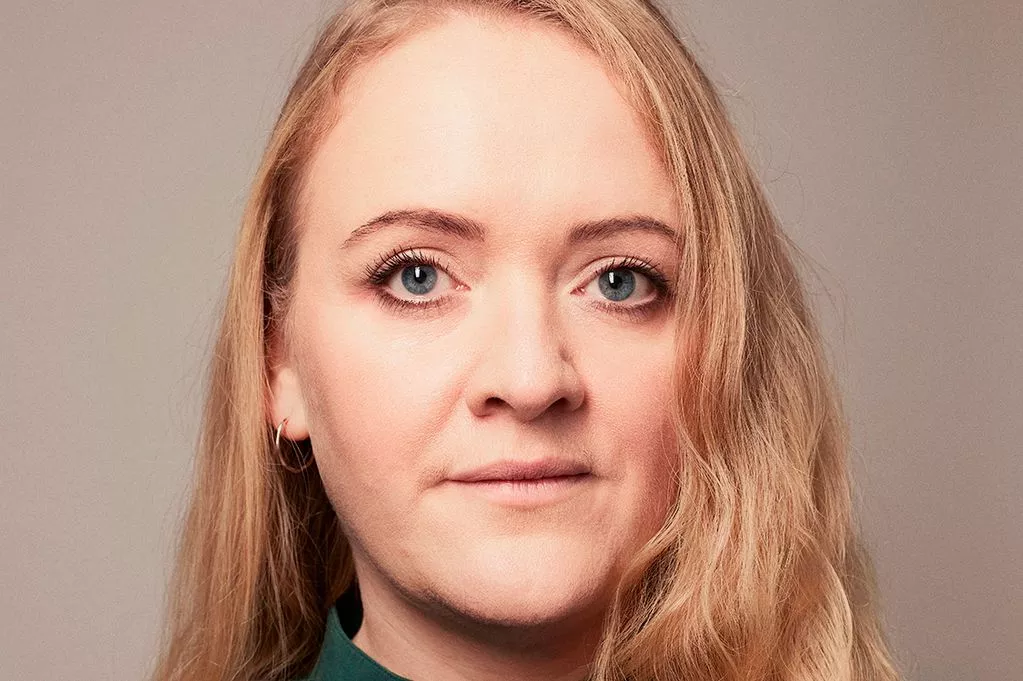
Dr Hanna Munden(Image: Coventry University)
A Coventry University researcher is hoping her work can help improve how professionals deal with mental health crisis care across the country.
Dr Hanna Munden’s carried out a research visit to A&E in a bid to shed light on how current approaches for responding to mental health crises place strain on hospital staff, police officers and, ultimately, the patients themselves.
Spending 10 hours in a hospital A&E department was enough to reveal the tensions that can occur between police and healthcare workers when dealing with patients in mental health crisis.
Read more: Beautiful pictures of Coventry in the snow
Read more: Support for Coventry rough sleepers as conditions ‘extremely dangerous’
Dr Munden, a Research Fellow at Coventry University ’s Research Centre for Peace and Security, said: “During my fieldwork in emergency departments, it was clear how vulnerable everyone is in these moments – patients in crisis, police officers and healthcare staff. When specialist mental health care isn’t available, busy A&Es can unintentionally heighten distress and increase the risk of harm for both patients and staff.
“These services are already under intense pressure and the mismatch between patient needs and the A&E environment can escalate tensions despite everyone’s best efforts. Differences in local practices also add to the complexity. I hope this study helps develop safer, more consistent handover processes that protect both staff and patients.”
The need for two officers to stay with a patient – who can sometimes turn violent – as they wait for a bed in another part of the hospital, different processes used at different hospitals, and the already hectic nature of A&E units, mean that friction can be commonplace between two sets of professionals who both wish to do their best for patients.
Dr Munden has been funded by the ESRC Vulnerability & Policing Futures Research Centre, which is co-hosted by the University of Leeds and the University of York. This will allow her to work alongside NHS South East London Integrated Care Board and Southwark and Lambeth Police to carry out more research – including more time in A&E and interviewing those at the heart of the issue – to help create new guidelines to enhance patient care, improve the efficient use of workers’ time and protect staff and patients from harm.
Professor Charlie Lloyd, Deputy Director of the Vulnerability & Policing Futures Research Centre, said: “Dr Munden’s project addresses a critical area of mental health policing that has far-reaching implications for policing and hospital professionals, and people in mental health crisis.
“Understanding how police and emergency department staff collaborate in the handover of vulnerable people in mental health crisis is vitally important for identifying more effective practice. This proposal stood out for its clarity, methodological strength and potential for real-world impact. We are delighted to fund this work and look forward to seeing the insights it generates and the positive changes it will help bring about.”
Find out more about the Research Centre for Peace and Security.