
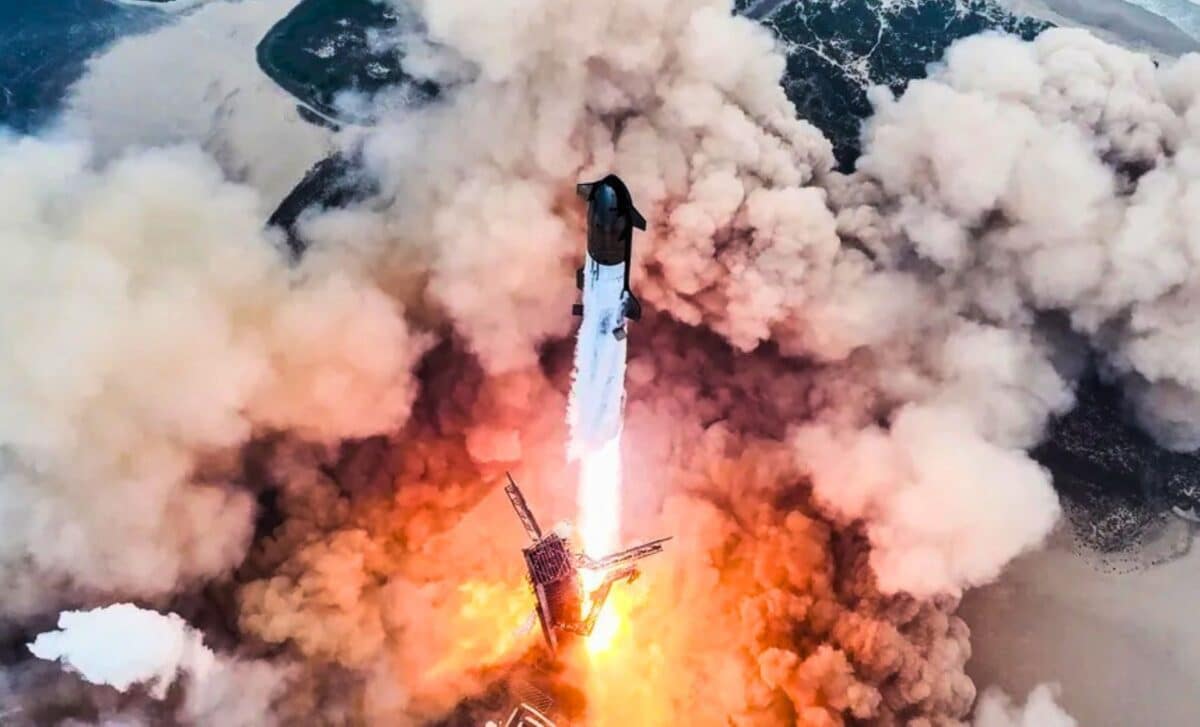
SpaceX is moving quickly to position its Starship rocket for a potential uncrewed mission to Mars as early as late 2026, a milestone that, if achieved, would mark the first attempt by a private entity to send a spacecraft to another planet. The proposed schedule coincides with a rare planetary alignment between Earth and Mars, offering a narrow but valuable launch opportunity.
Behind the timeline lies a more complex and unfinished technical landscape. While SpaceX has completed a series of major tests over the past year, several core technologies essential to deep space travel remain in development. The company’s most ambitious version of its rocket, Starship Version 3, is expected to debut in 2026, carrying upgrades that may prove pivotal to long-duration missions beyond Earth orbit.
Tension surrounds the effort. Internally, Elon Musk has described the chances of reaching Mars in 2026 as evenly split. Externally, aerospace engineers and officials continue to question whether the programme’s speed matches its readiness. The U.S. space agency NASA, a key partner for SpaceX’s lunar ambitions, has signalled concerns by considering alternative providers for its Artemis program.
Rare Launch Window Defines Urgency
The proposed Mars mission is timed to match a planetary event known as opposition, when Earth and Mars align closely in their orbits. This event occurs roughly once every 26 months and offers the most efficient conditions for interplanetary travel. The next such window falls between November and December 2026.
Musk indicated in statements reported by Space.com that SpaceX plans to send up to five uncrewed Starship V3 vehicles during this window. The missions would focus on testing systems related to landing and cargo delivery on the Martian surface. According to the same report, SpaceX may also send Optimus humanoid robots, developed by Tesla, as part of an operational demonstration.
By Musk’s own estimate the probability of meeting the 2026 deadline stands at “50/50.” The primary limiting factor, he added, is the ability to refuel the spacecraft in orbit, a capability that has not yet been demonstrated and is viewed as necessary for reaching Mars with usable payload mass.
Starship V3 Introduces Untested Capabilities
Standing over 408 feet tall when fully stacked, Starship Version 3 will be the largest rocket ever flown if launched on schedule. The two-stage system includes the Super Heavy booster for lift-off and a second-stage spacecraft, known simply as Ship, designed to carry cargo and eventually humans beyond Earth orbit.
The system is designed to be fully reusable, with both stages returning to Earth for inspection and relaunch. During Mars missions, Super Heavy would return shortly after launch, while Ship would continue to deep space. The strategy is intended to lower cost per mission and increase launch frequency over time.
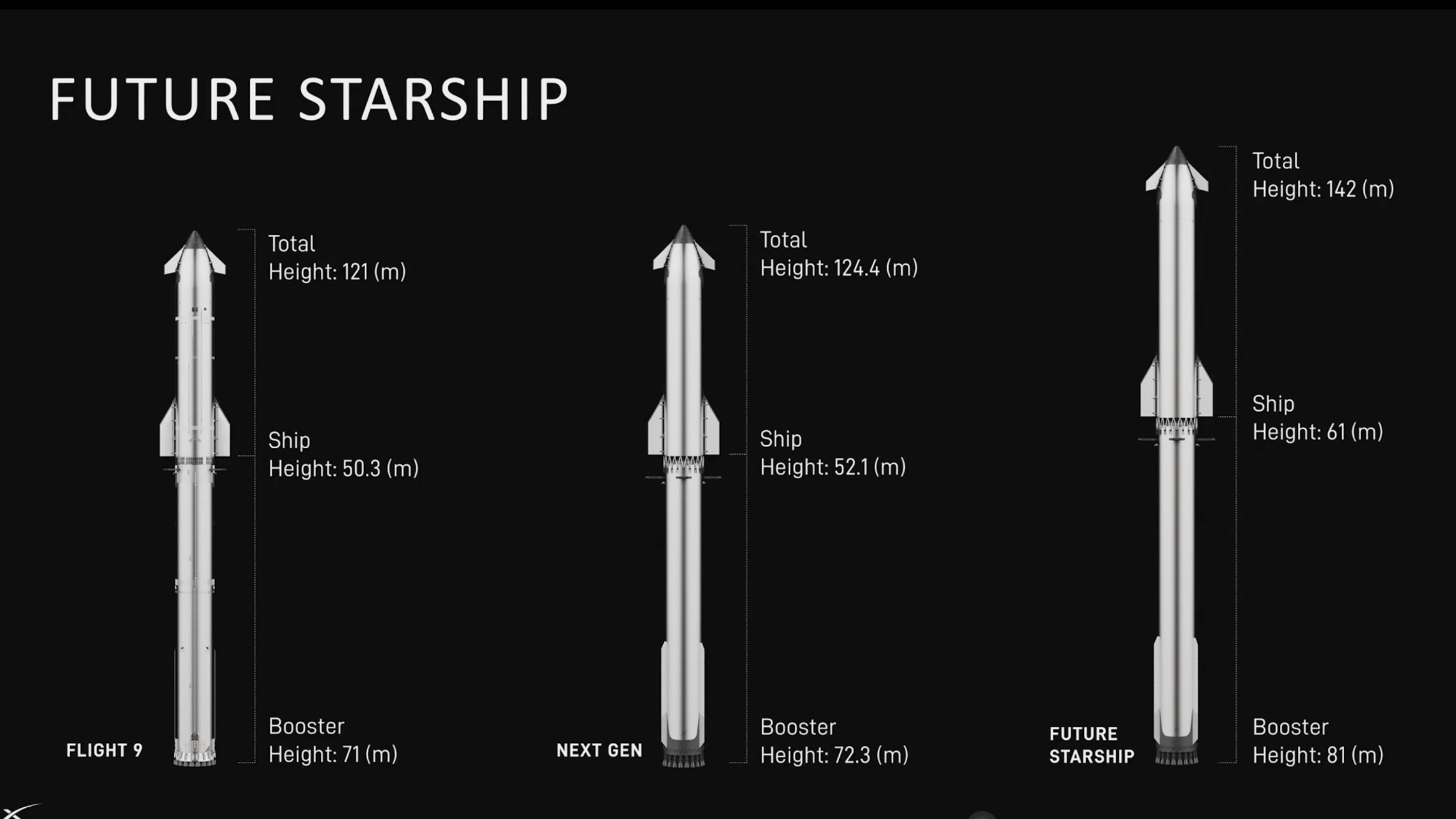 Starship will grow in the coming years, if all goes to plan. Credit: SpaceX
According to a technical profile by USA Today, SpaceX plans to demonstrate orbital refuelling with V3. This process would involve launching multiple tankers to transfer propellant to the Ship already in orbit, enabling it to travel the full distance to Mars. As of early 2026, no such refuelling test has occurred.
In 2025, SpaceX conducted five test flights of Starship Version 2, with mixed results. The first three tests ended in destruction or loss of vehicle control. The final two, flown in August and October, completed key objectives and showed improved performance. All flights were launched from Starbase, the company’s private site in South Texas.
NASA Partnership Introduces Performance Pressure
SpaceX’s Mars plans are developing in parallel with its obligations to NASA, which selected Starship as the lunar lander for its Artemis III mission. That mission aims to return U.S. astronauts to the Moon by the end of the decade. Delays or performance issues with Starship could affect both lunar and Martian goals.
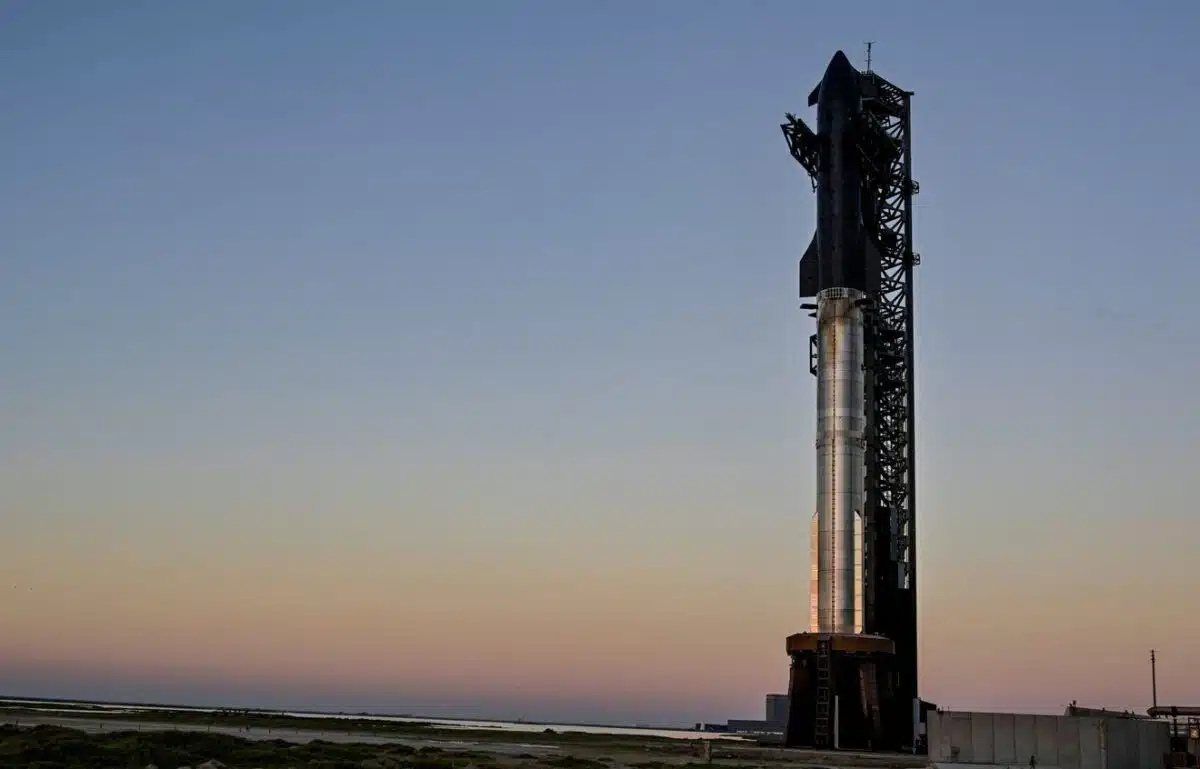 The SpaceX Starship spacecraft sits atop the Super Heavy booster before sunrise as preparations continue for its 11th test flight from the company’s complex in Starbase, Texas. Credit: Steve Nesius/Reuters
In October 2025, USA Today reported that then-Acting NASA Administrator Sean Duffy expressed concern about SpaceX’s progress, suggesting the agency might consider other providers. Duffy has since been replaced by Jared Isaacman, a commercial astronaut and associate of Musk, who assumed the role of NASA Administrator in December.
The dual-use nature of Starship for both lunar and Martian operations introduces further complexity. Each mission type requires different capabilities and timelines. Balancing those objectives while meeting contractual obligations and technical milestones will likely define SpaceX’s trajectory over the next three years.
Operational Risks Remain Unresolved
Despite the operational ambition of the 2026 Mars plan, a number of key systems remain unproven. Precision landing on the Martian surface has never been attempted with a vehicle of this size. The mass of Starship and the thin Martian atmosphere create unique challenges in deceleration and control during descent.
Site selection is also in early stages. Musk has cited Arcadia Planitia, a broad volcanic plain in Mars’ northern hemisphere, as a likely destination. The region may contain accessible subsurface water ice, but little is known about its suitability for supporting long-term infrastructure. SpaceX has not disclosed detailed scouting data or landing criteria.
Future missions beyond 2026 may involve human passengers, depending on the success of early landings. Musk has previously stated that if the first missions succeed, crewed flights could follow as early as 2029. However, no public test plans or crewed mission architectures have been released.
Uncertainty also surrounds launch cadence. Even if the initial Mars missions proceed, scaling operations to support multiple launches per transfer window would require major logistical and industrial expansion. A vision presented by Musk includes hundreds of Starships departing for Mars in later years, but no formal roadmap has been provided.