
NEED TO KNOW
At least 17 people have been killed by an elephant in India in a series of attacks that all took place over the course of just several days
The elephant has killed people in about 12 separate attacks since Jan. 1 in the West Singhbhum district of Jharkhand state
Among the victims were a wife, husband and their two children
At least 17 people, including four family members, have been killed by an elephant in India in a series of attacks that all took place over the course of just several days.
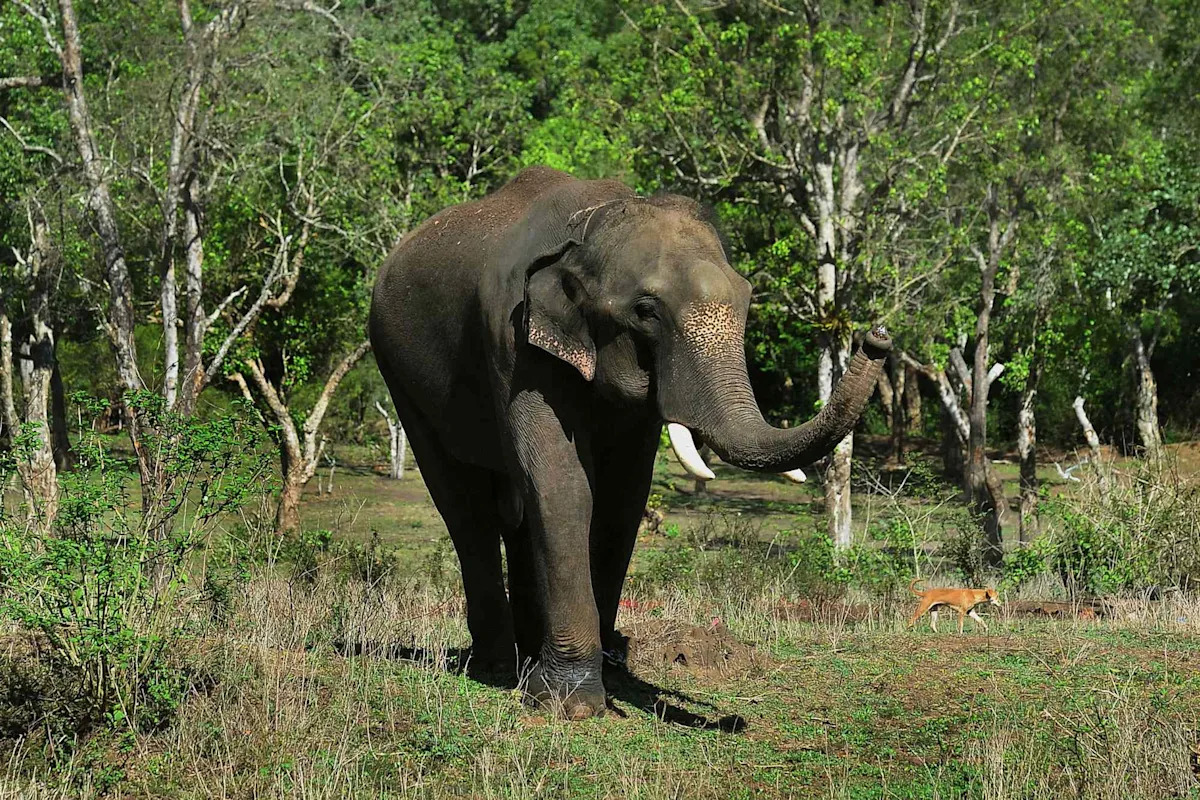
According to reports from the Times of India and the Hindu, the elephant, thought to be a young adult male, has killed people in about 12 separate attacks since Jan. 1 in the West Singhbhum district of Jharkhand, a state located in eastern India.
One of the most recent deaths occurred on Wednesday, Jan. 7, when a woman died from her injuries in a local hospital. Several recent victims were identified as Chipri Chimpi from the village of Sialjod, 40-year-old Prakash Das, and a minor boy.
Per the Hindu, Das’ head had been separated from his body in the attack.
In another attack in the village of Babadia, a wife, husband and their two children were all killed at once.
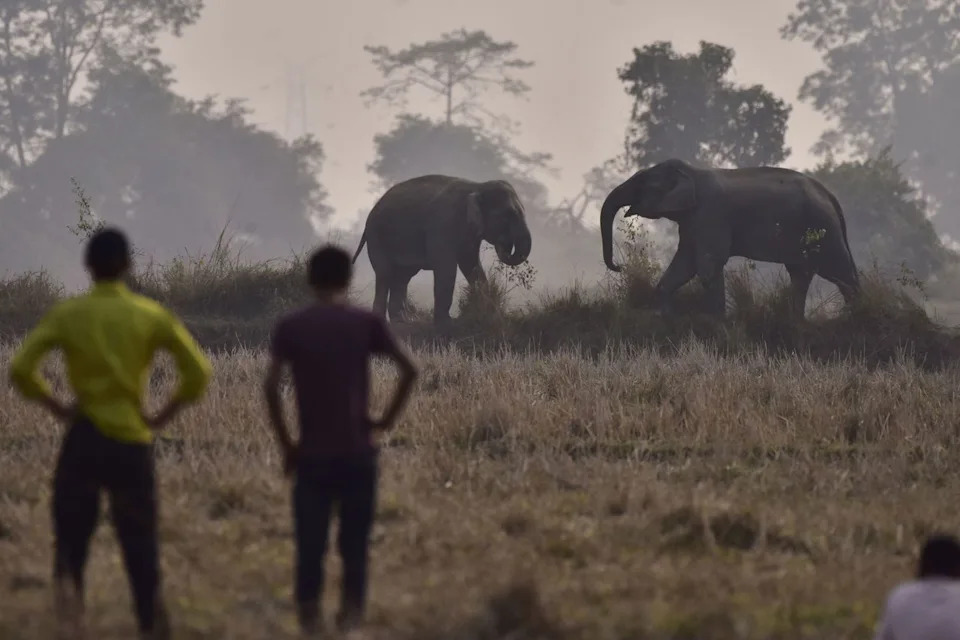
Anuwar Hazarika/NurPhoto via Getty
Villagers observe a herd of wild elephants in a village in Assam, India, on Dec. 24, 2025
Speaking to the Times, divisional forest officer Aditya Narayan said that wildlife personnel have not been successful in tracking down the elephant thus far, but several government and independent agencies from across India have joined the search for the large mammal.
Once they find the animal, the forest department will be able to tranquilize and relocate it, the outlet reported.
Never miss a story — sign up for PEOPLE’s free daily newsletter to stay up-to-date on the best of what PEOPLE has to offer, from celebrity news to compelling human interest stories.
“We are still camping in the fields while trying to trace the elephant with multiple teams, but it wasn’t spotted today,” Narayan told the Times, noting that the forest department has issued several public service announcements about what to do in the event of an elephant encounter.
An officer of the forest department also told the outlet that the elephant’s movement pattern “suggests that it is haphazardly running around a 100-km [about 62 miles] circumference across three forest divisions,” and that it had last been tracked on Thursday, Jan. 8.
The Kolhan regional chief forest conservator, Smita Pankaj, also told the Times that the agencies were mainly focused on preventing any further casualties.
According to West Singhbhum Deputy Commissioner Chandan Kumar, officials are also working to help people in nearby villages relocate while wildlife experts attempt to track down the elephant.
“We are planning to shift them to the nearest safer places from the critical areas,” Kumar said.
Related: https://people-app.onelink.me/HNIa/kz7l4cuf
According to the Hindu, local eyewitnesses have said that the elephant attacks mostly at night while people are sleeping, and residents have been using firecrackers and patrol teams to keep the animal away from heavily populated areas.
The male is thought to be in musth. According to the Denver Zoo, this is a hormonal state, unique to male Asian and African elephants, in which their testosterone increases significantly and they become highly aggressive.
Local residents have advocated for a more permanent solution to the violent elephant encounters, and for the families of the deceased to be compensated.
Read the original article on People