
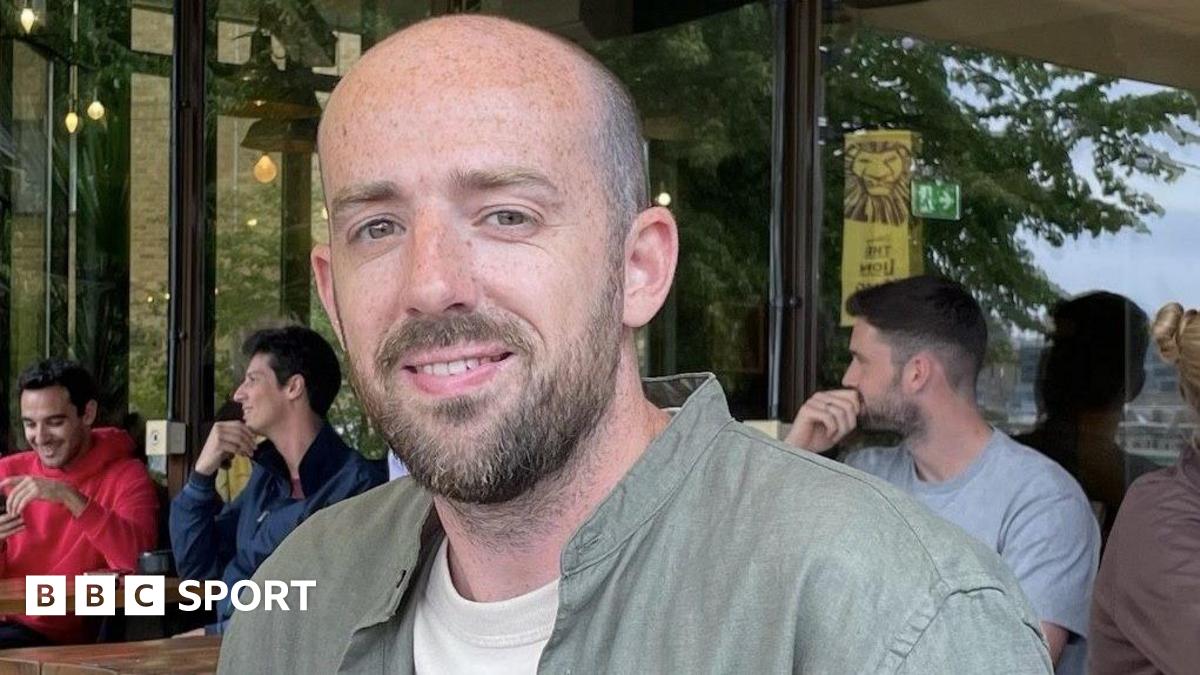
Speaking at the hearing, Long’s sister Chloe said: “The gambling products he encountered were not harmless entertainment.
“They stripped away Ollie’s enjoyment of the game he loved so much.
“They were highly addictive, predatory systems designed to exploit. And they did. They stole from Ollie – not only his money, but his peace, his future, and ultimately, his life.”
Speaking to the BBC, she added: “Ollie’s gambling was exclusively on football, and football was one of Ollie’s biggest passions. He was a huge Liverpool fan, and we know that he had a very big win early on, and that was really problematic for him.”
She said he had sent his family farewell messages in the days before his death.
She added: “In the note Ollie shared with us, he talked about how he had decided to take his own life because of his gambling problem, and how he felt that he couldn’t escape it, and how he felt that it made him a bad person, and that he didn’t want to be that bad person, and that he didn’t want to burden us anymore.”
The hearing was told Long tried to stop gambling on several occasions and even volunteered as a peer supporter for others affected by gambling.
However, in April 2023, he began gambling again, this time using illegal gambling sites that do not hold a licence in the UK and were not blocked by GamStop.
The court was told there was an online phenomenon called “Not on GamStop”. It was explained an online search for the term would result in a huge number of websites directing consumers on how to access illegal black market sites that are not regulated by the Gambling Commission in the UK.
Giving evidence, Tim Miller, the executive director of the Gambling Commission, told the court these sites were “deliberately seeking to target people who are already experiencing harm”, and marketing themselves to circumvent UK self-exclusion tools like GamStop.
He said some of these sites are run by “criminal networks” who are involved with “terrorists and organised crime”.
“Because of our work we had over 81,000 individual URLs being removed from search engines, a lot of those will have been ‘not on GamStop’ sites,” added Miller.