
For more than a decade, NASA’s Curiosity rover has traversed the Martian surface with the singular goal of reconstructing the planet’s geological and environmental past. With each drill site, each chemical test, it adds new data points to the question that has shaped modern planetary science: Could Mars have supported life?
The latest phase of the mission, conducted at a site known as Nevado Sajama within the Gale Crater region, combines technical sophistication with scientific ambition. Over several Martian days, the rover performed a dense series of operations, capturing panoramic imagery, drilling into stable bedrock, and conducting laboratory analysis, designed to probe both surface structure and subsurface chemistry.
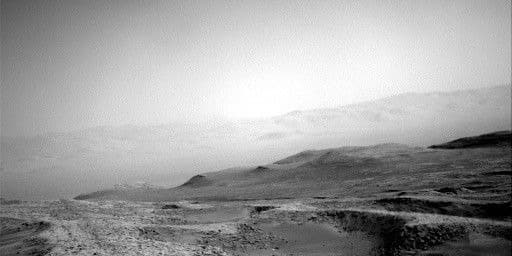 NASA’s Mars rover Curiosity acquired this image on Dec. 21, 2025, with the boxwork terrain in the foreground and Gale crater rim in the far background, using its Right Navigation Camera. Credit: NASA/JPL-Caltech
The location presented rare conditions. Imaging was unusually detailed. The drill hole, unusually stable. The sample, uniquely placed for one of the rover’s most sensitive tests for organic compounds, carbon-based molecules that are foundational to biological systems but can also arise through non-biological processes.
Much of what was gathered remains under analysis. But mission officials have confirmed key milestones: the full imaging suite was completed, the drilled sample was successfully delivered to the onboard laboratory, and the long-dormant technique of nighttime imaging was reactivated under favourable site conditions.
Stereo Imaging Offers Unprecedented Detail of Martian Terrain
A central task at Nevado Sajama was the construction of a 360-degree stereo mosaic using Curiosity’s Mastcam system. Unlike conventional single-lens panoramas, this mosaic combined images from two distinct cameras: the 34-millimetre wide-angle and the 100-millimetre telephoto lenses. The aim was to generate a three-dimensional visual model of the site with enhanced geological fidelity.
Due to limitations in power and data bandwidth, the team divided the mosaic into smaller segments captured over multiple sols. Each set of frames was carefully aligned and compiled, resulting in one of the most detailed ground-level visual reconstructions in the mission’s history. NASA’s mission team described the effort as methodical and time-intensive, requiring extended stationary positioning of the rover at the site.
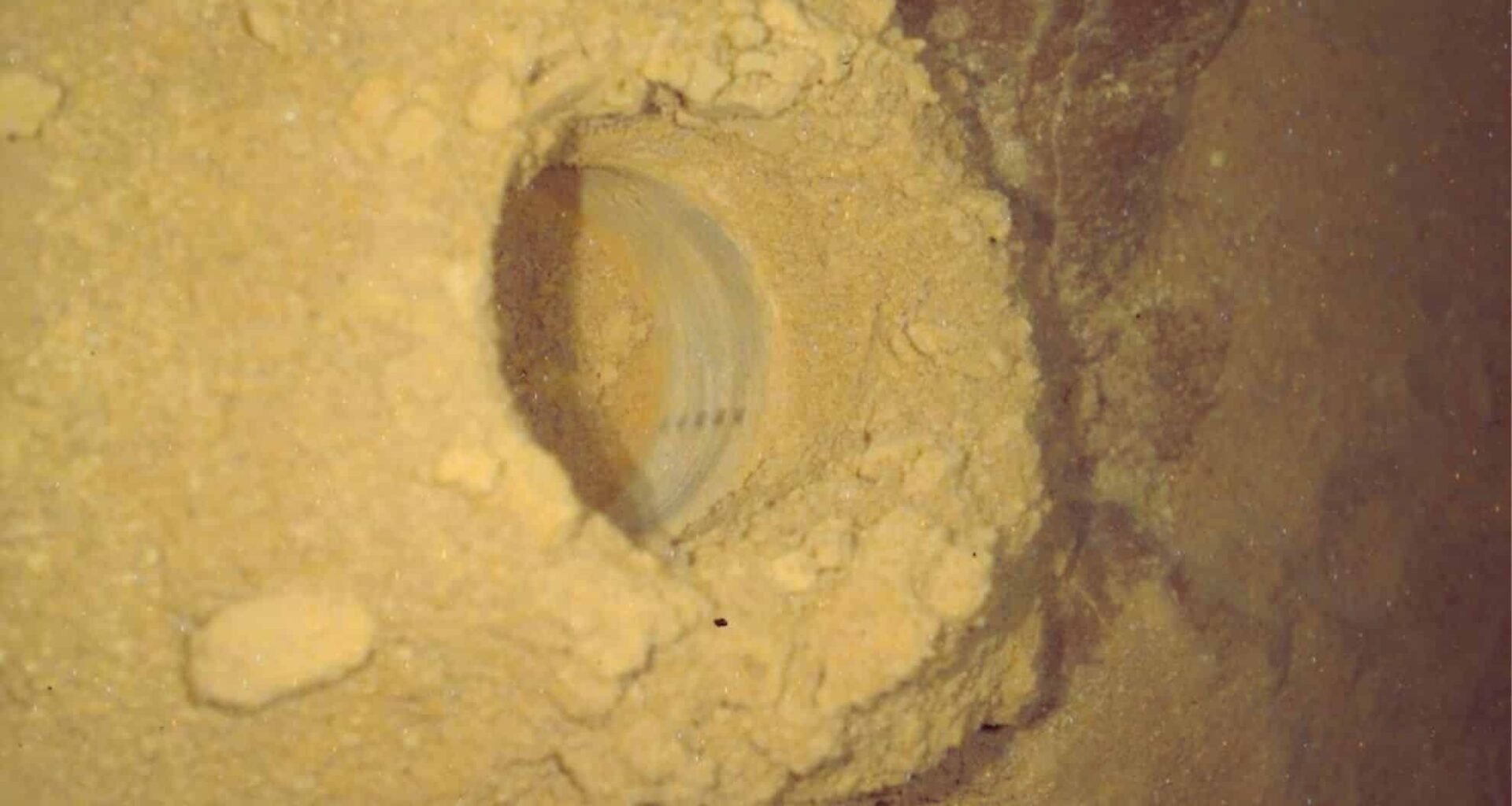
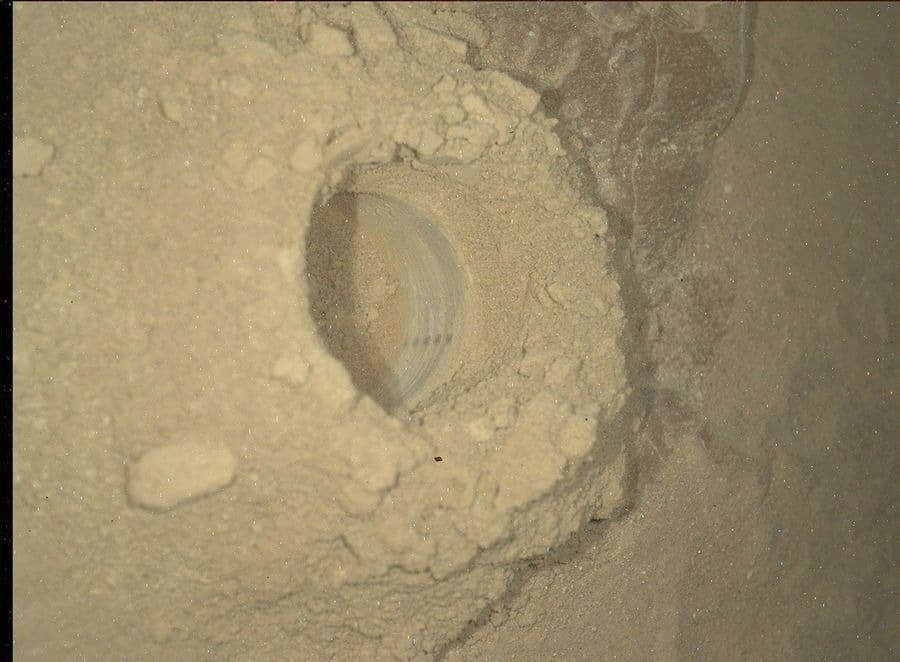 NASA’s Mars rover Curiosity captured ths image on Dec. 6, 2025, a “MAHLI after dark” image of the Nevado Sajama drill hole, using its Mars Hand Lens Imager (MAHLI), located on the turret at the end of the rover’s robotic arm. Credit: NASA/JPL-Caltech/MSSS
Abigail Fraeman, Deputy Project Scientist at NASA’s Jet Propulsion Laboratory, noted in a Curiosity mission blog that “the Mastcam team proposed an ambitious plan to take a full 360-degree mosaic in stereo” while the rover remained parked at the drill site. The execution of that plan depended on precise calibration and consistent environmental conditions across several Martian days.
Drilled Sample Analysed for Organic Molecules Using Onboard Lab
In parallel with the imaging campaign, Curiosity completed its final sample collection at Nevado Sajama and delivered the material to its onboard Sample Analysis at Mars (SAM) instrument suite. The sample, extracted from consolidated bedrock, was subjected to gas chromatography and mass spectrometry, techniques that separate and identify chemical compounds based on their molecular properties.
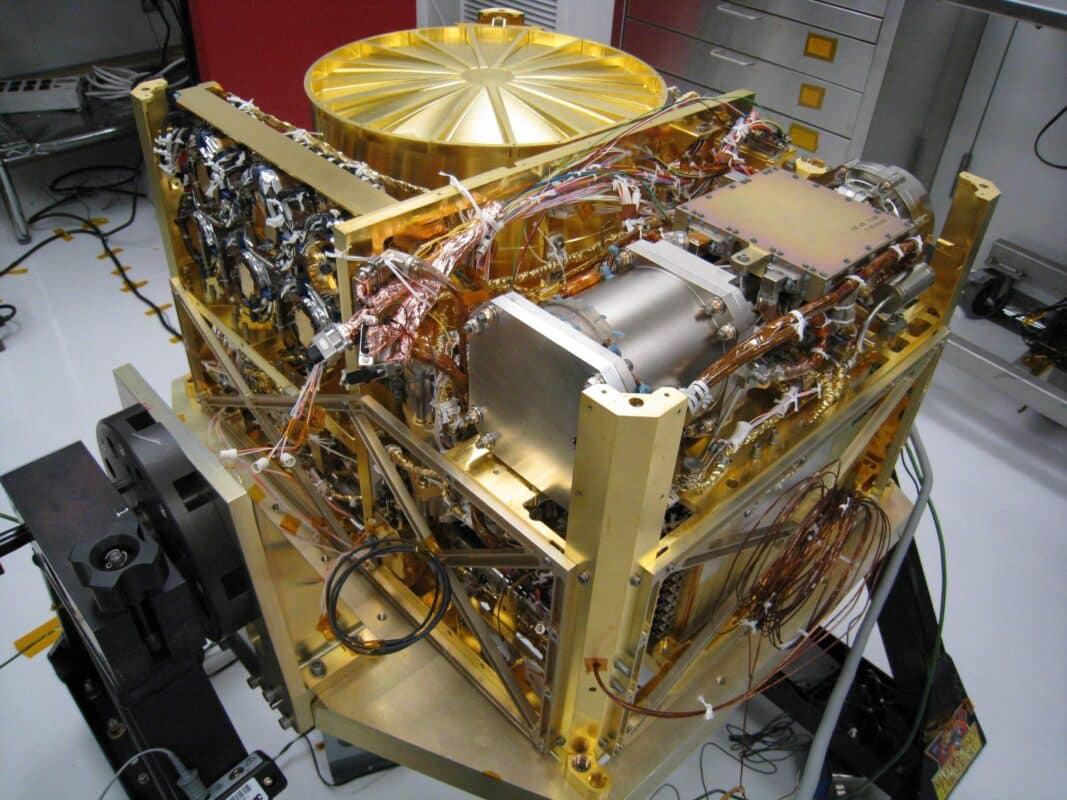 SAM (Sample Analysis at Mars) is a suite of instruments onboard NASA’s Mars Science Laboratory rover, Curiosity. Credit: NASA-GSFC
These tests are designed to detect organic molecules, which are of interest not because they confirm life, but because they represent chemical precursors or signatures that can inform models of Mars’ environmental history. SAM’s previous analyses in other regions of Gale Crater have uncovered chlorinated organics and sulfur-containing compounds, but their origin remains unresolved.
The GCMS procedure at Nevado Sajama was successfully completed on Sol 4740, after which the remaining sample was cleared from the drill system. Data from this test will be used to assess the presence and complexity of carbon-bearing molecules in the rock matrix. Further analysis is ongoing, and NASA has not yet disclosed the detailed chemical profile detected at this location.
Nighttime Imaging of Drill Hole Reintroduced After Long Hiatus
Following the sample analysis, mission scientists took advantage of an unusually clean drill hole to conduct nighttime imaging using Curiosity’s MAHLI (Mars Hand Lens Imager) instrument. This capability, which uses built-in LED lights to illuminate surfaces in low light, had not been used in recent years due to poor visibility or unconsolidated sediments at previous drill sites.
At Nevado Sajama, the drill hole presented a stable, well-defined structure suitable for imaging. The resulting photographs offer potential for high-resolution examination of rock textures, mineral layering, and grain structure. Nighttime imaging of this kind was previously conducted earlier in the mission, but only under optimal conditions.
Fraeman confirmed the rarity of the technique in a mission update published by The Daily Galaxy, noting that the team had not used MAHLI’s LED functionality for several years due to the instability of previous drill sites. The clean walls at Nevado Sajama made the current campaign scientifically viable.
Next Phase to Focus On Nearby Observational Targets
Curiosity has now concluded its operations at Nevado Sajama and is preparing to relocate to adjacent terrain identified for short-term study. According to NASA’s December planning reports, these new locations are within driving range and will be examined before the scheduled end-of-year activities pause.
No specific objectives have been disclosed for these sites, but continued analysis of surface and subsurface composition remains a priority. The rover’s mobility and multifunctional instrument suite enable researchers to adaptively select targets based on findings from each previous campaign.
The successful execution of stereo imaging, organic analysis, and nighttime photography during this phase underscores the rover’s continued relevance in Martian surface science. More than 4,700 sols into its mission, Curiosity remains a critical tool for investigating Mars’ habitability, surface processes, and environmental transitions.