
 Photo: GameStop
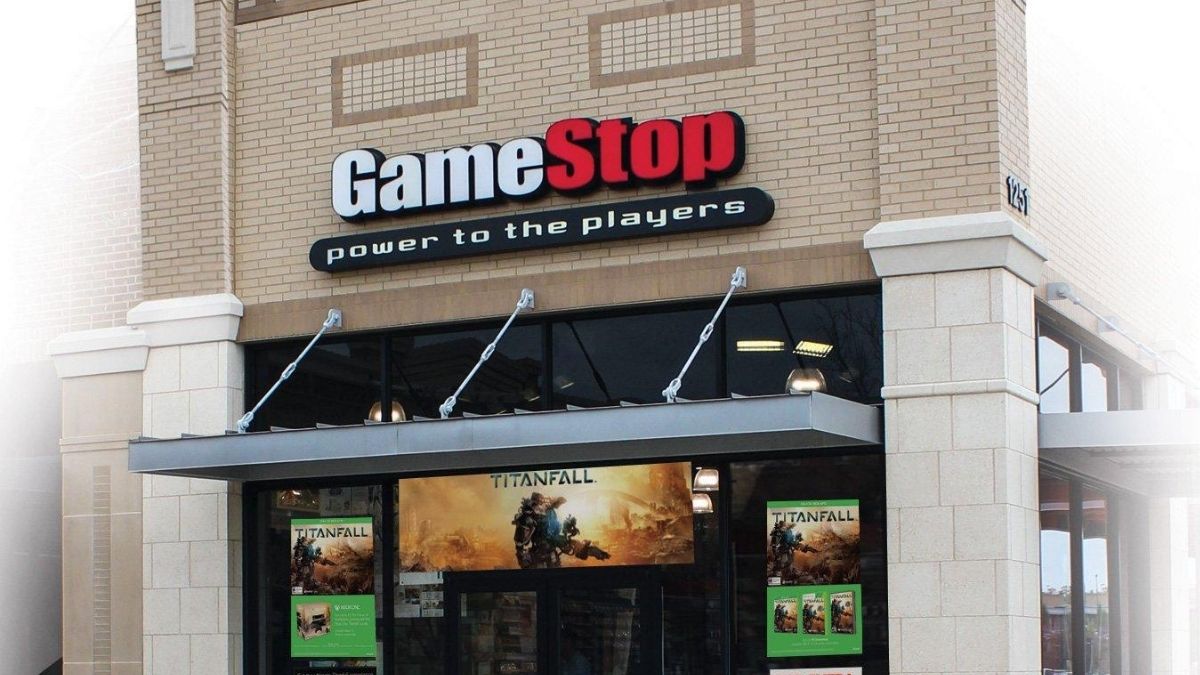
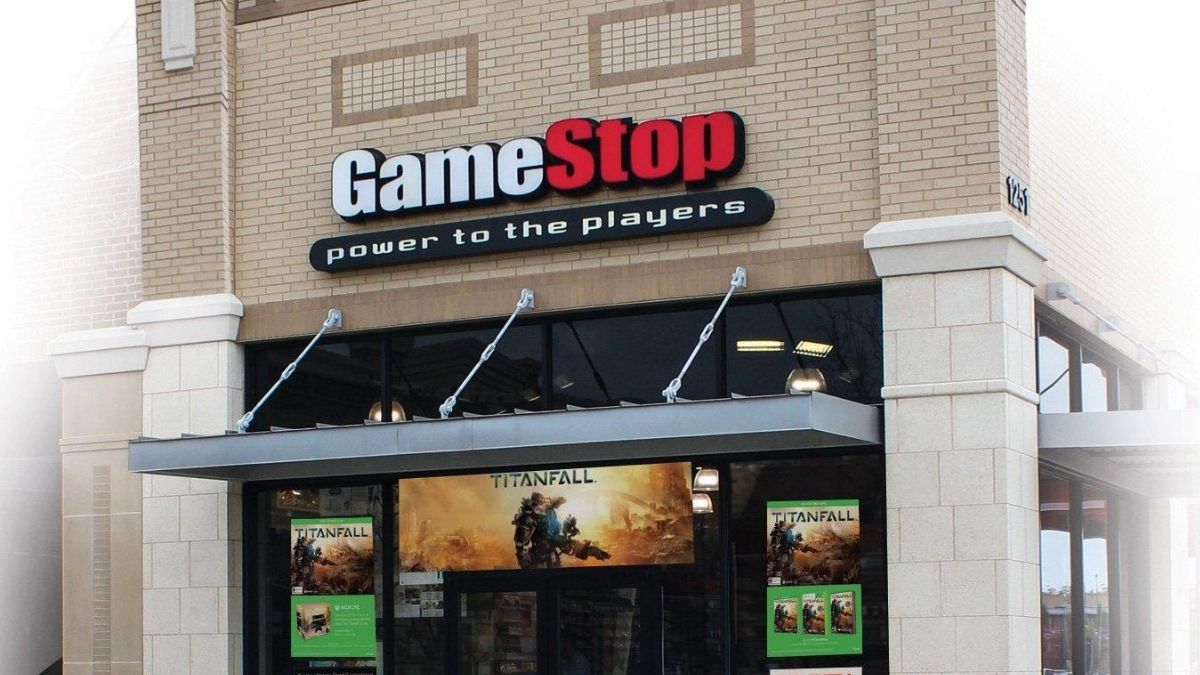
GameStop, which for decades served as a meeting point for gamers and collectors, is undergoing a profound transformation driven by technological changes, new consumer habits, and the evolution of the digital market. The chain has begun a wave of store closures across several states, a process that will continue through the end of fiscal year 2025, which concludes on January 31, 2026. Here’s everything we know so far.
Why is GameStop closing stores?
The main factor behind the store closures is a radical shift in how consumers purchase video games. More and more players are choosing to download titles directly to their consoles or computers, leaving behind the purchase of physical discs. This trend has been reinforced by the technology adopted by Sony, Nintendo, and Microsoft, whose current consoles make digital downloads, subscriptions, and instant access to full game catalogs easier than ever.
ALSO READ Barnes & Noble to Open New Stores in the United States: Where and When
For GameStop, whose traditional business model relied heavily on physical sales and used games, this transition has resulted in a steady decline in in-store traffic. Added to this are rising operating costs, such as rent and store maintenance, prompting the company to rethink its physical footprint and focus on closing underperforming locations.
In March 2025, the company itself acknowledged that it planned to shut down a significant number of additional stores during fiscal year 2025, as part of a strategy to adapt its structure to new market conditions and preserve its financial viability.
Where are GameStop stores closing?
Although GameStop has not released an official list of all affected locations, local media outlets and regional reports have confirmed closures in several states. Among the states where shutdowns have already occurred or are expected are California, Ohio, South Carolina, Alabama, and Iowa, as well as other areas in the Northeast and the Southern United States.
These are some of the stores that have closed or are expected to close this month:
Alabama
Birmingham – 4507 Riverview Parkway, Suite 107
Troy – Troy Plaza, 1410 Highway 231 S
Hartselle – 1199 Highway 31 NW, Suite H
California
7910 N. Lower Sacramento Road, Suite D
Connecticut
Enfield – Enfield Square Mall, 90 Elm St.
Lisbon – Lisbon Crossing, 157 River Road
Newington – 2997 Berlin Turnpike
Stratford – Stratford Square Mall, 411 Barnum Ave.
Waterbury – Brass Mill Center, 495 Union St.
Delaware
Bear – 1015 Governors Place
Dover – 3084 Dover Circle
Milford – 941 N. Dupont Blvd.
Rehoboth Beach – 18701 Coastal Highway
Wilmington – 4345 Kirkwood Highway
Wilmington – 4737 Concord Pike
Iowa
Iowa City – 1011 Highway 1W
Waterloo – 1515 Flammang Dr.
Mississippi
Vicksburg – 2310 Iowa Blvd.
Biloxi – 2404 Pass Road
Biloxi – 506 Larcher Blvd. Suite 2306
Clinton – 1011 Hampstead Blvd.
Corinth – 2201 Virginia Lane
Greenville – 1831 Hwy. 1 S
Grenada – 1550 Jameson Drive
Picayune – 230 Frontage Road
New Jersey / New York
Brooklyn / New York City – 2141 86th St.
Bayonne – 205 Lefante Way
Deptford – 2000 Clements Bridge Road
Newark – 786 Broad St.
North Bergen – 2100 88th St. Suite F4
Rockaway – 301 Mount Hope Ave.
Somerdale – 711 E. Evesham Ave.
Somers Point – 15 Bethel Road
South Plainfield – 4959 Stelton Road
Succasunna – 275 E Rt. 10 E
ALSO READ BJ’s Wholesale Club to open new stores in the U.S.: when and where
Ohio
Canton – 3016 Atlantic Blvd. NE
Canton – 4328 Tuscarawas St. W
Pennsylvania
Richboro – 800 Bustleton Pike, Suite A2
Warminster – 892 W Street Road
Willow Grove – 2500 W Moreland Road
South Carolina
Spartanburg – 200 Dawn Red Drive
History of GameStop
GameStop is one of the most iconic brands in the video game retail sector in the United States. Its origins date back to the 1980s, when it began as a small chain specializing in software and interactive entertainment. Over time, the company expanded rapidly, establishing itself as the leading retailer of physical video games, consoles, and accessories in the country.
During the 1990s and early 2000s, GameStop became a key reference point for millions of players, thanks to its buy-and-sell model for used games, midnight launch events, and strong presence in shopping malls. The company went on to operate thousands of stores worldwide and played a central role during the golden era of physical media.
However, the rise of digital platforms, console-based online stores, and subscription services marked a turning point. Over the past decade, GameStop has attempted to reinvent itself through new business lines such as collectibles, merchandise, and e-commerce, along with high-profile moments that placed the company at the center of global financial discussions.