
Mental health services in Nottingham, which treated the killer Valdo Calocane, were “not always humane or dignified” in their treatment of patients, the health watchdog has said.
A Care Quality Commission report into the trust’s leadership found that its management still “requires improvement” and detailed 16 “invalid detentions” under the Mental Health Act over the past 12 months.
The mental health trust was involved in the care of Calocane, a paranoid schizophrenic who killed Barnaby Webber, Grace O’Malley-Kumar and Ian Coates in Nottingham in June 2023. Calocane had no contact with services at the trust for the nine months before the attack. The events leading up to the killings will be examined in a public inquiry next month.
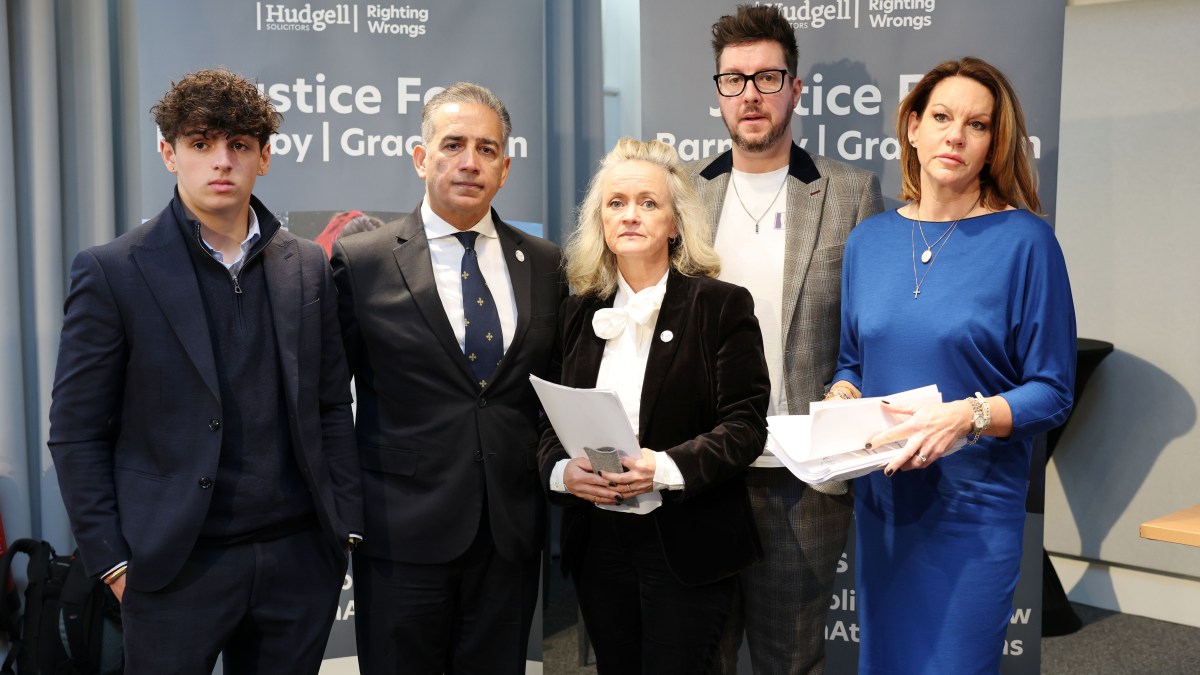
In a joint statement, the families of the victims said that they had “lost all confidence” that the trust would change on its own, adding that “further disasters are inevitable” due to the standards of care there.
The latest report described bosses at the trust with no “proactive or strategic appetite” to implement its recommendations from 2022 regarding patients in “dormitory” style accommodation. It also highlighted signs of a “blame culture” among workers, with staff also reporting racism and harassment in the workplace.
Ifti Majid, the chief executive of the trust, who has announced that he will retire next summer, said that “significant improvements” had been made since the CQC’s last inspection but he “fully appreciated” that there was more to do.
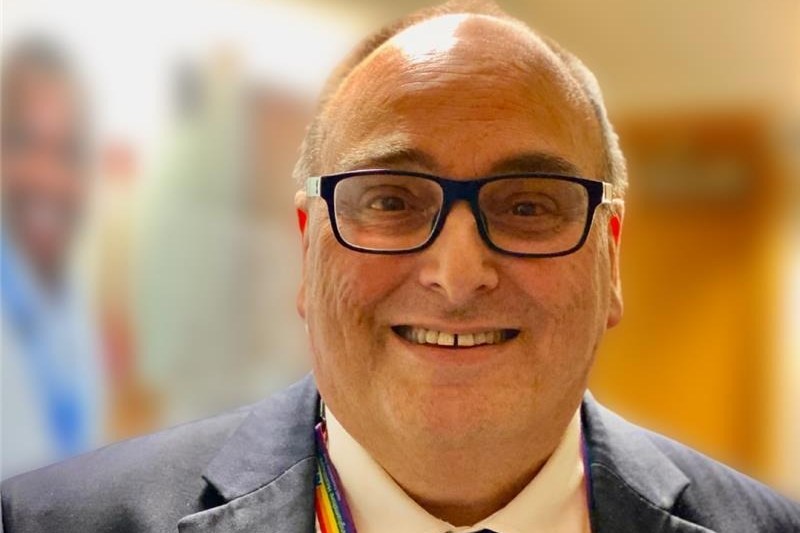
Ifti Majid, chief executive of the trust
The report also found a “lack of oversight” regarding the Mental Health Act, which should be supervised by hospital leaders. “There was poor practice in maintaining dignity, upholding human rights and ensuring the least restrictive actions were delivered,” the report said. “For those people who lived in those environments, we found these were not always humane, dignified or gave high-quality care.”
In a joint statement, the families of the victims said: “This report confirms what families have feared for far too long: this Trust is not safe and should be placed into special measures immediately. Patients in Nottinghamshire continue to be put at risk, and families cannot accept another day of inaction.
“Despite years of warnings, a national tragedy, and an extraordinary 39 inspections in just 15 months, the Trust’s leadership and board have shown themselves unable or unwilling to deliver meaningful change. The systems, oversight and culture needed to keep people safe are still not in place.
“Families have lost all confidence that this Trust will learn on its own. If it is allowed to continue unchanged, there is a real fear that further harm, and further disasters are inevitable. This is no longer about improvement plans or assurances. It is about urgent intervention, accountability at the highest level, and protecting lives.”
The CQC has ordered Nottingham Healthcare to make “immediate and widespread improvements” to services and requested an action plan on how changes will be made.
Majid said: “We are committed to providing high-quality, effective and safe care to those people who need it most. External inspections are an important way of helping us learn and to make the improvements that are needed. We accept the CQC’s findings and recognise where improvement is needed. We have already made significant improvements since the CQC’s last inspection but fully appreciate there is still more to do. We will be addressing all areas identified in the report.”
He added that no services were rated inadequate overall and that positive feedback on interactions with staff was noted. Majid added that a Mental Health Act Committee had been established, which would learn from any invalid detentions made under the act.