
American Prairie’s permit to graze its bison on federal land has been revoked, according to a new proposed decision from the Bureau of Land Management.
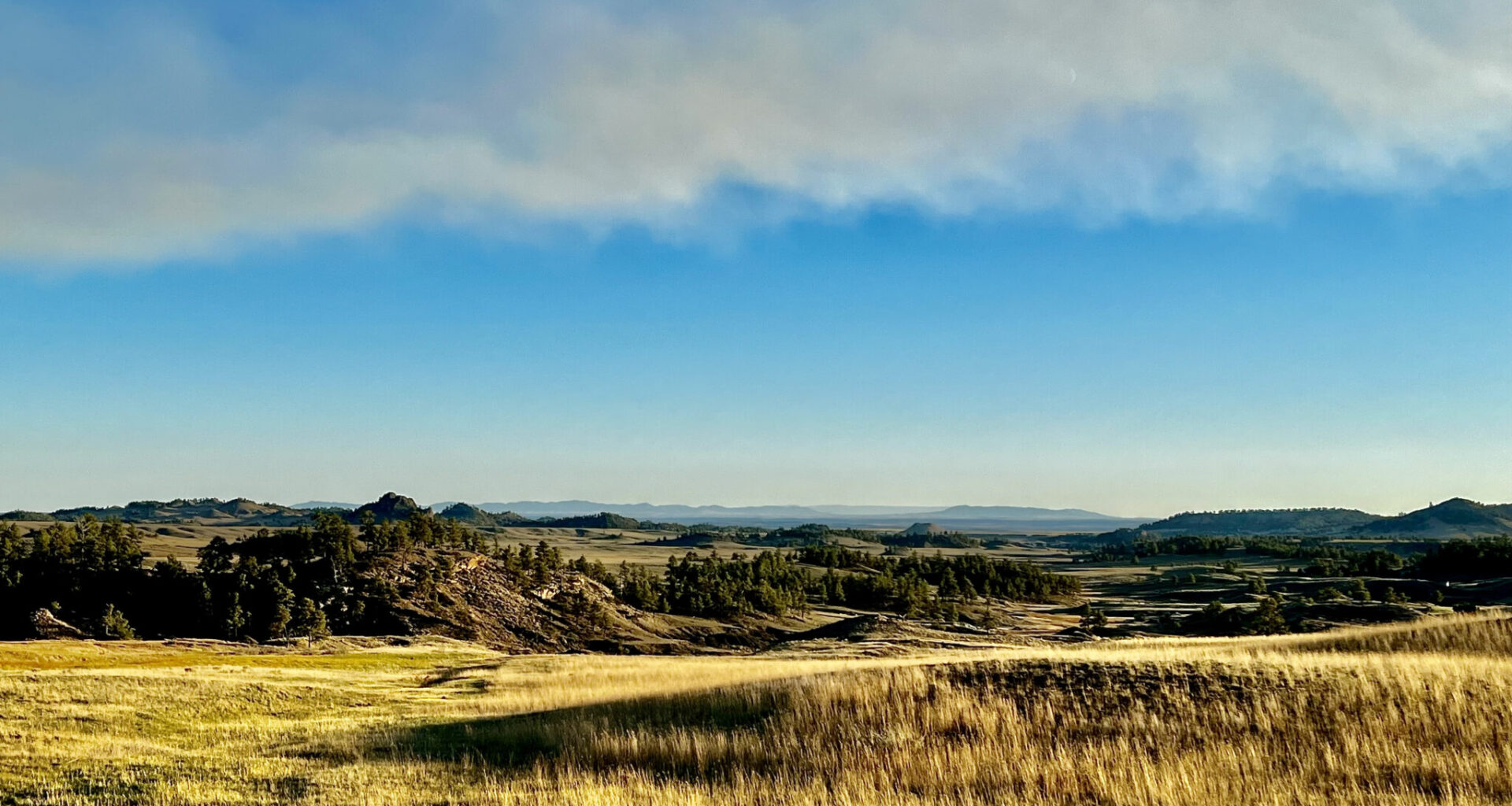
The nonprofit conservation group will lose its right to graze bison on seven plots of land in Phillips County. American Prairie has sought to reintroduce bison to parts of Montana, managing more than 500,000 acres in the state and owning about 167,000 acres. The nonprofit organization has 940 head of bison across 46,000 acres and a mission to create one of the largest nature preserves in the country.
AP has grazed bison using federal leases since 2005. They stand to lose at least 63,000 acres of land they were leasing to graze on. The organization is also concerned about impacts to other livestock owners.
“Our organization and conservation model remain resilient, but that does not negate the fact that this creates uncertainty for all livestock owners who depend on public lands for grazing,” American Prairie CEO Alison Fox said in a press release. “We have followed the law, complied with every requirement, and prioritized transparency at every step.”
Opponents of their bison operation say the Taylor Grazing Act, a bedrock 1934 piece of agricultural legislation, does not allow for conservation grazing, which is essentially grazing that is done for multiple purposes, including ecological benefit. The act does not define what animals can be grazed, only that the Secretary of the Interior can permit “free grazing within such districts of livestock kept for domestic purposes.”
In fact, the act appears more concerned with impacts to other industries, specifically naming various resources, like stone and clay, that can be used on those grazing lands and also protecting the ability to mine in those areas.
The Interior’s argument in the decision rests on two words that are not defined in the act—“livestock” and “domestic.” Two other federal laws cited in the decision — the Federal Land Policy and Management Act and the Public Rangeland Improvement Act don’t define the terms either.
“The BLM’s regulations define the term to mean ‘species of domestic livestock—cattle, sheep, horses, burros, and goats,’ the decision said, citing federal code. “But that definition does not answer the question whether livestock can mean anything other than animals managed as part of a production-oriented operation.”
The decision attempts to answer that question, saying that the term “stock” is tied to commerce and “domestic” is the opposite of “wild.”
“The dictionary definition, therefore, supports the proposition that livestock as used in the TGA and related authorities refers to animals “kept for sale or trade,” id., and that the authority to issue grazing permits and leases is limited to applicants who will use the animals to graze the public lands in that manner,” the decision reads.
American Prairie has insisted that there’s nothing in those laws preventing grazing by conservation herds. Even more, for they’ve said they qualify as a stock owner and that they are engaged in the livestock business. And they have sanctioned bison hunts as well.
“Our bison herd has supported food security, improved rangeland health, and created valuable opportunities for local nonprofits which include veterans associations, youth organizations, and local sportsmen’s chapters,” Fox said in a release. “Those benefits should matter. Instead, we’re seeing a departure from consistent application of the law that puts producers and working lands at risk.”
Burgum assumed control of the case last year, which came after pressure mounted from Montana Gov. Greg Gianforte and the four members of the state’s Congressional delegation.
He praised the decision in a press release.
“Today’s decision by BLM is a win for Montana’s ranchers, our agricultural producers, and the rule of law,” Gianforte said in a statement. “For years, we have raised serious concerns about the federal government’s failure to listen to the folks who live and work the land. By proposing to cancel these permits, BLM is finally acknowledging that federal overreach cannot come at the expense of our local communities and the production agriculture that feeds our nation. I’m proud of our administration’s work to achieve this decision and I would like to thank Secretary of the Interior Doug Burgum and BLM for following the law and putting Montanans first.”
In that letter, the politicians say American Prairie is harming the state economy, which the nonprofit has bristled at, calling the notion “absurd” last year.
Gianforte painted the decision as a win for farmers and ranchers, though some ranchers have expressed that billionaire ranch owners are a bigger problem than any issues they might have at American Prairie.
“This administration will always stand with our farmers and ranchers against federal overreach,” Gianforte concluded. “We will continue to protect our way of life and ensure that Montana voices are heard in Washington, D.C.”
American Prairie has 15 days from receiving the decision to file an appeal.
“American Prairie is reviewing the decision and determining its course of action, and will continue to advocate for a public-lands grazing system that is lawful, predictable, and applied equally,” a press release from the organization said.
This story has been updated to correct how long American Prairie has been grazing on federal land and which office the decision came from.