
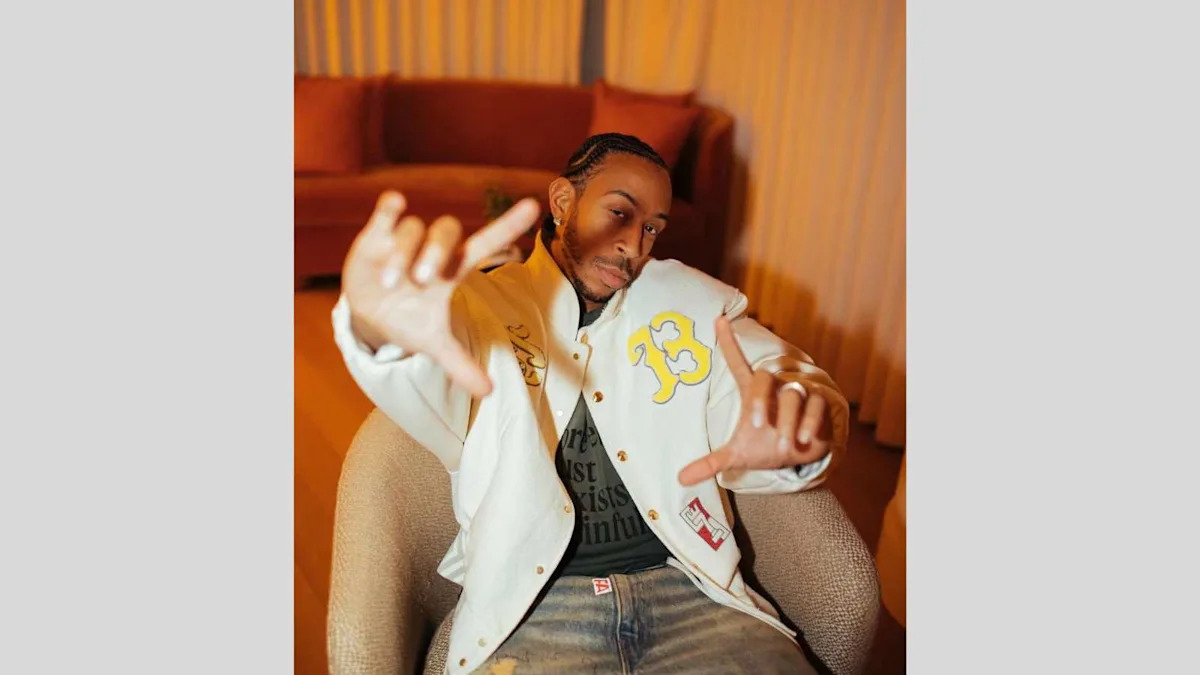
Ludacris has officially decided to step aside. Just days after his name appeared on the poster for Kid Rock’s controversial “Rock the Country” tour, the Atlanta rap legend has abruptly exited the lineup.
The sudden departure comes after a week of fierce online backlash from fans who were baffled to see the Fast and Furious star billed alongside polarizing figures like Kid Rock and Jason Aldean. While the festival organizers have quietly scrubbed his name from the website, Ludacris’ team has issued a statement claiming his involvement was never intentional in the first place.
“It was a mix-up,” a representative for Ludacris told Rolling Stone on Friday. “Lines got crossed, and he was not supposed to be on there.”
Whether it was a clerical error or a rapid retreat following public outcry, the result is the same. Ludacris will not be performing for the “God-fearing patriots” Kid Rock aims to court this summer.
The “MAGA Fest” Accusations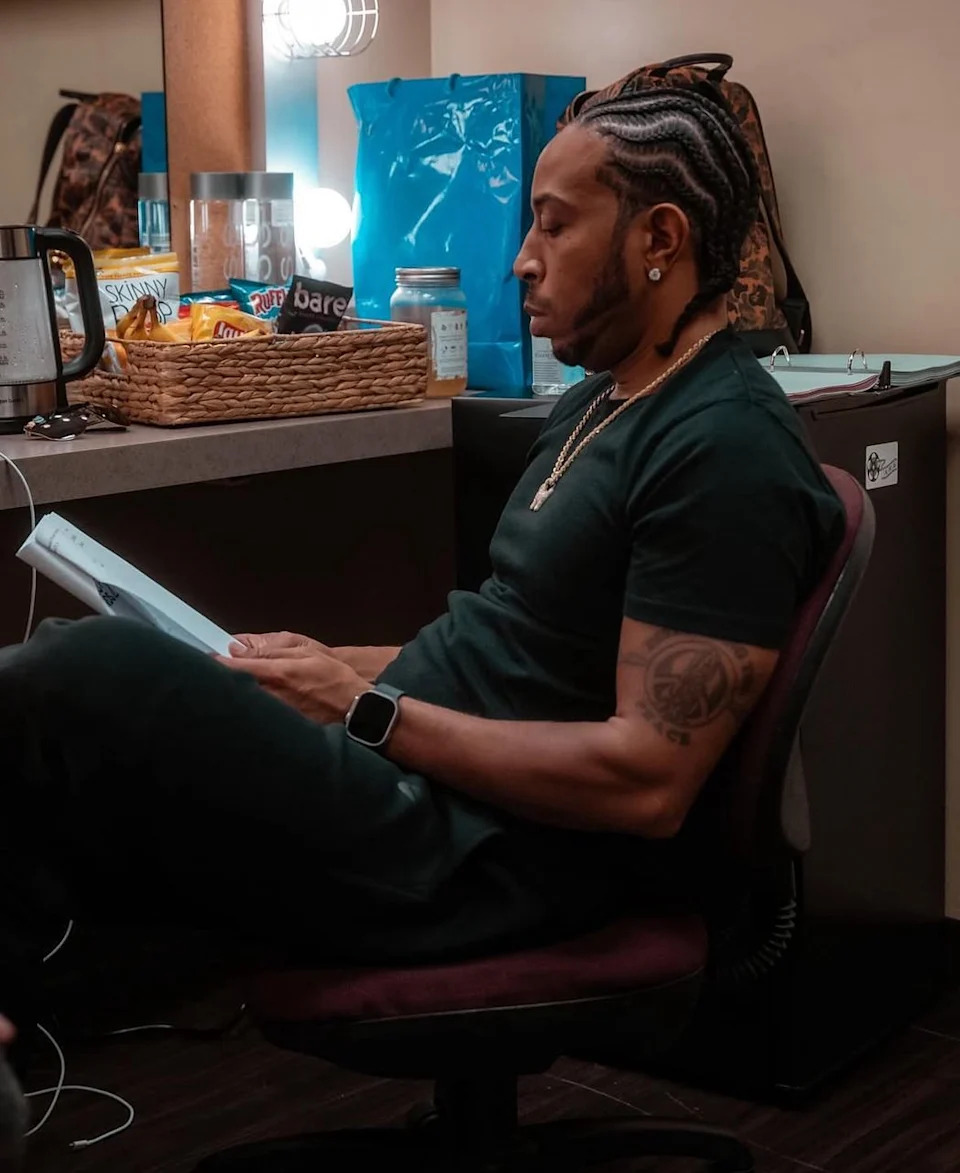
Screenshot from ludacris official page via Instagram. Used under fair use for commentary.
The controversy began earlier this week when the 2026 lineup for “Rock the Country” dropped. The traveling festival was co-founded by Kid Rock and targets small towns across America rather than major metropolitan hubs.
The bill featured a heavy roster of country and rock acts known for their conservative leanings, including Kid Rock himself, Jason Aldean, Brantley Gilbert, and Big & Rich. But two names stood out as anomalies. Nelly and Ludacris.
Social media immediately lit up with confusion and anger. Fans questioned why Ludacris would lend his brand to a tour that critics have dubbed a “MAGA music festival.” Many pointed to Kid Rock’s vocal support of Donald Trump and his participation in the Bud Light boycott as reasons for the incompatibility. Others cited Jason Aldean’s controversy surrounding his song Try That In A Small Town which faced accusations of racial dog whistling last year.
“Luda, please explain what you are doing on this flyer,” one top comment read on Instagram. Another fan wrote, “I know the check is big, but is it worth your legacy? You are literally the only person on this list who does not fit the description.”
The pressure mounted as viral tweets juxtaposed Ludacris’ history of Afrocentric activism with the Confederate flag imagery often associated with Kid Rock’s past performances. By Friday morning, the noise had become deafening, and Ludacris was gone.
While Ludacris has bowed out, his peer Nelly is staying put. The “Hot in Herre” rapper remains on the lineup and is scheduled to perform at multiple stops, including the Hamburg, New Yor,k date in September.
This is not new territory for Nelly. He performed during the tour’s inaugural run in 2024 and famously defended his decision to perform at Donald Trump’s 2025 inauguration. At the time, Nelly cited his family’s military history and stated that he would perform for any sitting president out of patriotism.
The divergence in how the two hip hop icons handled the situation highlights a growing divide in the industry. Artists are increasingly forced to weigh the financial benefits of the lucrative country festival circuit against the potential alienation of their core fanbases.
For Nelly, the crossover appeal has long been a part of his brand, thanks to collaborations with Tim McGraw and Florida Georgia Line. For Ludacris, who has spent recent years cultivating a family-friendly image through his Netflix series Karma’s World, the association with a politically charged event proved too risky.
What Is “Rock the Country”?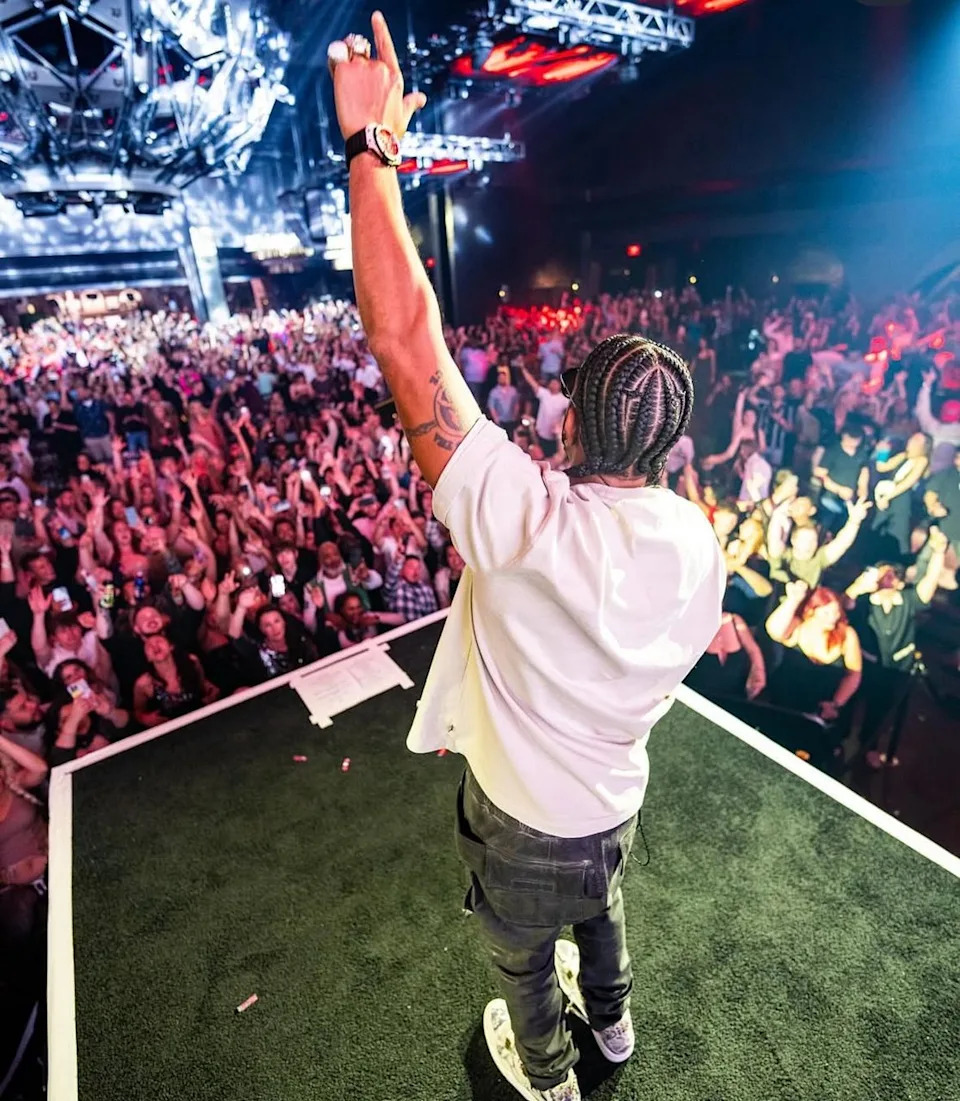
Screenshot from ludacris official page via instagram. Used under fair use for commentary.
To understand the backlash, one must understand the festival itself. “Rock the Country” is not just a concert series. It is an ideological statement. Kid Rock launched the festival in 2024 with a specific mission to serve “the forgotten towns” of America. The tour skips cities like New York and Los Angeles in favor of places like Anderson, South Carolina, and Ocala, Florida.
“It is this simple. Rock the Country is not just a music festival. It is a movement,” Kid Rock said in a press release announcing the 2026 dates. “In 2026, as America celebrates its 250th anniversary, this is a place for hard-working and God-fearing patriots to gather as one.”
The branding is unapologetically patriotic and populist. The festival website features imagery of eagles, flags, and mud trucks. For many observers, the coding is clear. This is a safe space for conservative culture wars where “woke” politics are unwelcome.
This context is precisely why Ludacris’ inclusion was so jarring. While music festivals often aim for genre diversity to sell tickets, the cultural chasm between the “Southern Hospitality” rapper and the “American Badass” rocker proved too wide to bridge.
The “Mix Up” Defense
The official explanation from Ludacris’ camp raises more questions than it answers. How does a major artist accidentally end up on a tour poster for a nationwide festival?
Industry insiders suggest two possibilities. One is that preliminary talks occurred, but a contract was never signed, yet the promoters jumped the gun on the announcement to boost ticket sales. This is a common tactic in the festival world known as “billing before booking.”
The second possibility is that the contract was signed, but the immediate negative reaction forced a frantic renegotiation or buyout. The specific phrasing “lines got crossed” allows both parties to save face. Ludacris avoids admitting he backed down to pressure, and the festival avoids admitting they lost a star to politics.
Regardless of the mechanics, the outcome is a victory for the fans who demanded his removal. It serves as a stark reminder that in 2026, an artist’s association is scrutinized as closely as their discography.