
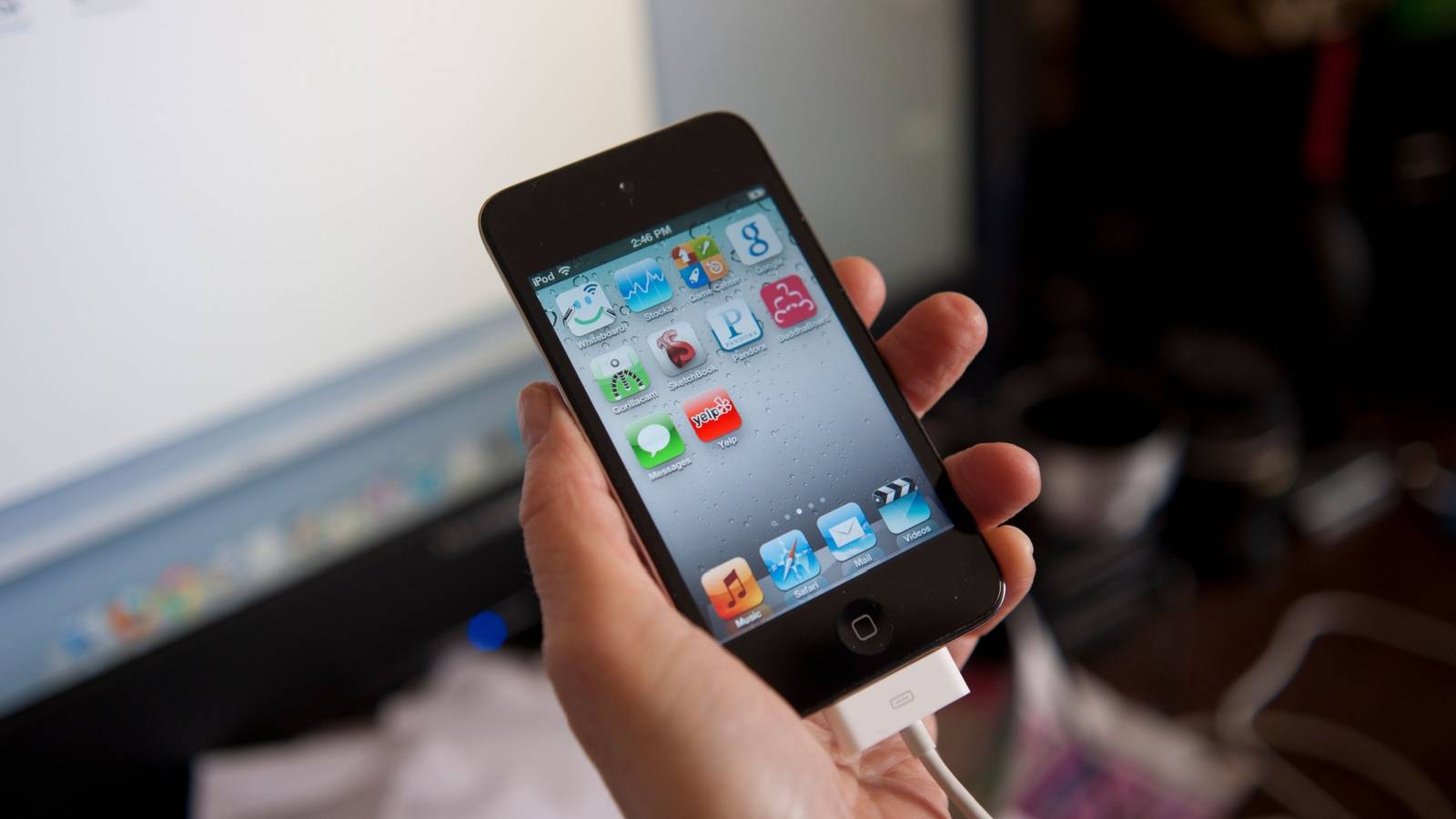
Technically my first true smartphone in the modern sense was a really rather awful Samsung Galaxy Ace, but before that it was my wife’s iPod Touch that showed me that the whole full touchscreen thing could work, and finally loosened my grip on my Blackberry.
I think a lot of people have similar stories. Skeptical of the costly new all-screen smartphones, but willing to try the relatively inexpensive iPod Touch instead. Who knows? Maybe without the Touch smartphones as we know them today, they may not have taken off quite as quickly. Either way, I think there’s a good argument to be made that the iPod Touch was an ingenious way to sell iPhones and, by extension, many iPhone imitators.
Why the iPod Touch was more than “an iPhone without the phone”
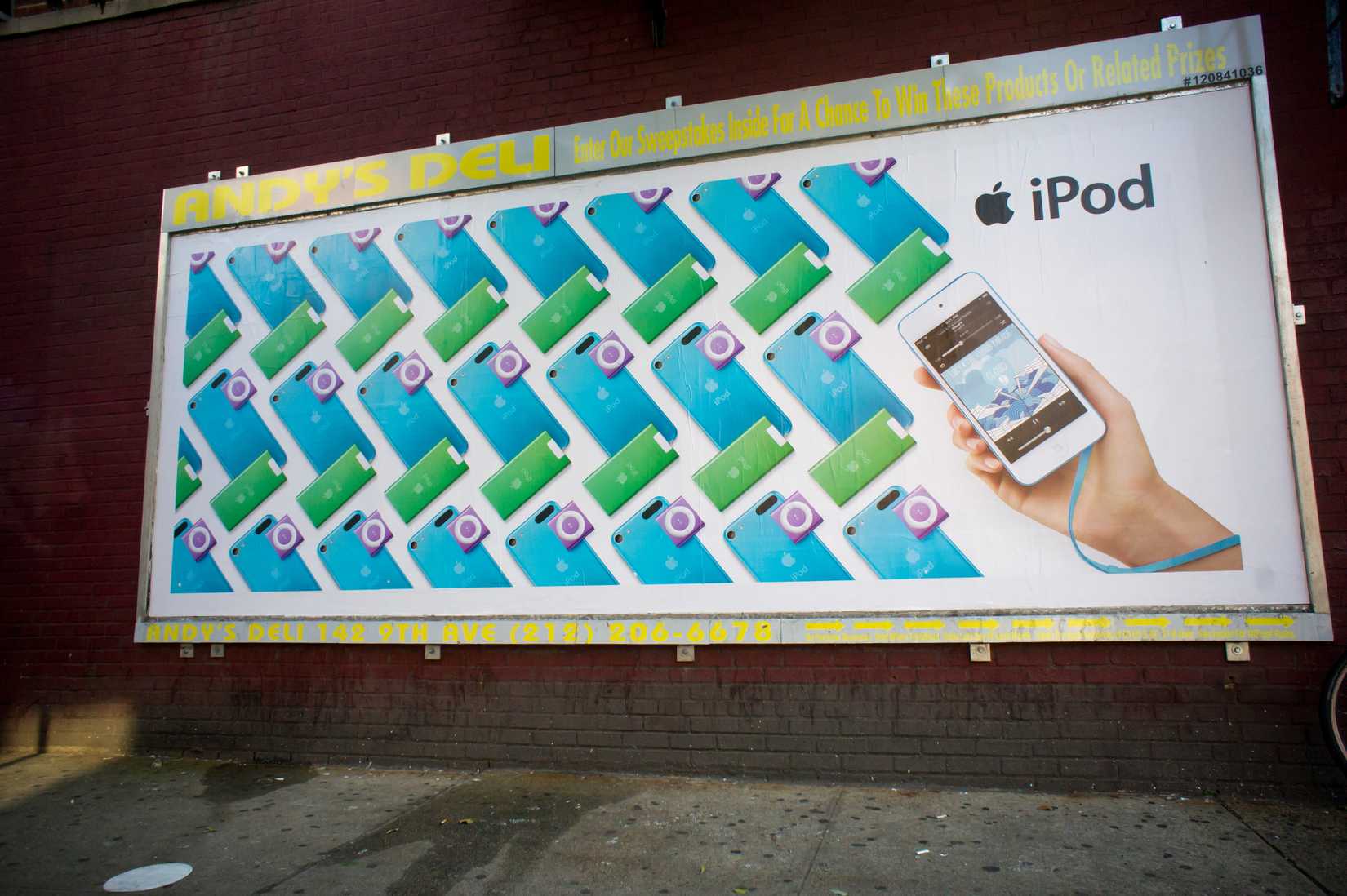
When the iPod Touch initially launched, most people weren’t carrying a modern-style smartphone. The first-generation Touch launched just a few months after the first iPhone, and at a surprisingly low price. This wasn’t an iPhone, but the only thing that was really missing is the phone part of the experience. Connected to Wi-Fi, as long as you don’t want to make use of cellular services, you’d be hard-pressed to tell the difference.
Credit: rblfmr/Shutterstock.com
Once the App Store arrived, most of the same apps would work, and for everyday tasks you got broadly comparable hardware. If you weren’t sold on all-screen phones, it was a low-risk way to test the waters. Though I’m not entirely sure people realized this.
A gateway to the smartphone era for people who didn’t own one yet
The other really smart (in hindsight) angle here was that you didn’t need a phone contract to afford one. I looked up the launch prices, and an 8GB iPhone was double the price of an 8GB iPod Touch. It wasn’t a cheap device by any measure, but compared to previous iPod models, it offered incredible value for money thanks to how versatile it was.
Credit: 10 FACE/Shutterstock.com
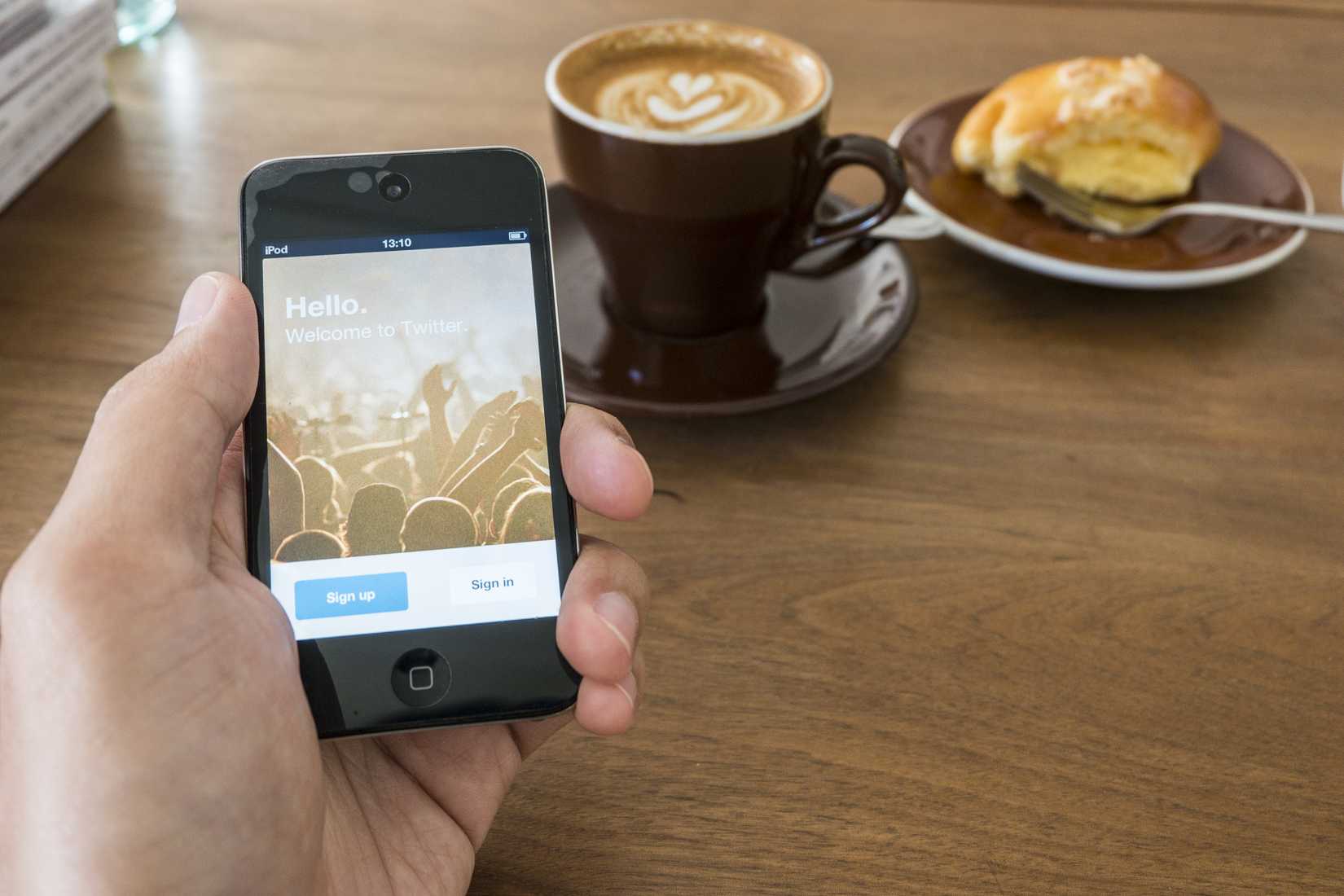
At the same time, getting an iPod Touch while you were awaiting your phone contract renewal to come meant training yourself on the conventions of touchscreen use. I remember the thing I was most skeptical about was typing. What I loved about my Blackberry, (apart from the sick trackball or trackpad) was the full QWERTY keyboard made with real physical buttons.
To be fair, I still think typing on a touch screen is worse than having a physical keyboard, but my wife’s iPod Touch showed me that I could actually get by with no buttons.
The iPod Touch was a full entertainment and Internet device years ahead of competitors
Credit: Kraft74/Shutterstock.com
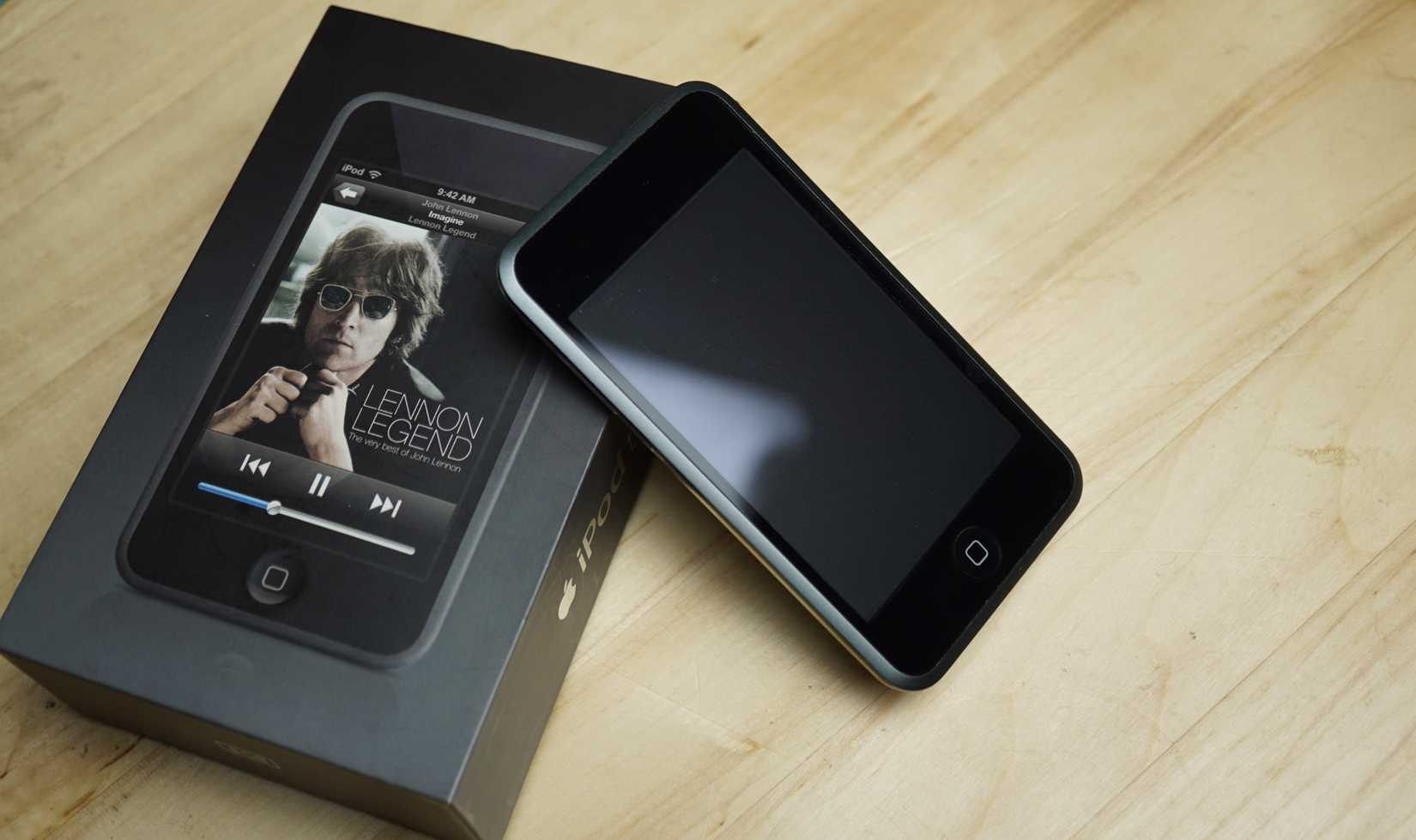
The iPod was a media consumption device first and foremost. It was made to watch video, listen to music, and even play video games. It’s probably a coincidence, but the iPod Touch launched the same year that Netflix started streaming video. Of course, Netflix wouldn’t arrive on iOS until 2010 (via CNET), but you could still sync videos to your iPod using iTunes—remember that?
The iPod Touch also showed off the viability of mobile gaming, which has since become an enormous industry. At the time, my PlayStation Portable was my go-to handheld gaming device, but I swapped with my wife several times so that I could play titles like Grand Theft Auto: Chinatown Wars. It was obvious that touch screens weren’t ideal for most console-style games, but when it worked it was awesome. There was even a sort of Halo clone I remember playing, though I’ve completely forgotten its name.
How the iPod Touch shaped expectations for modern mobile computing
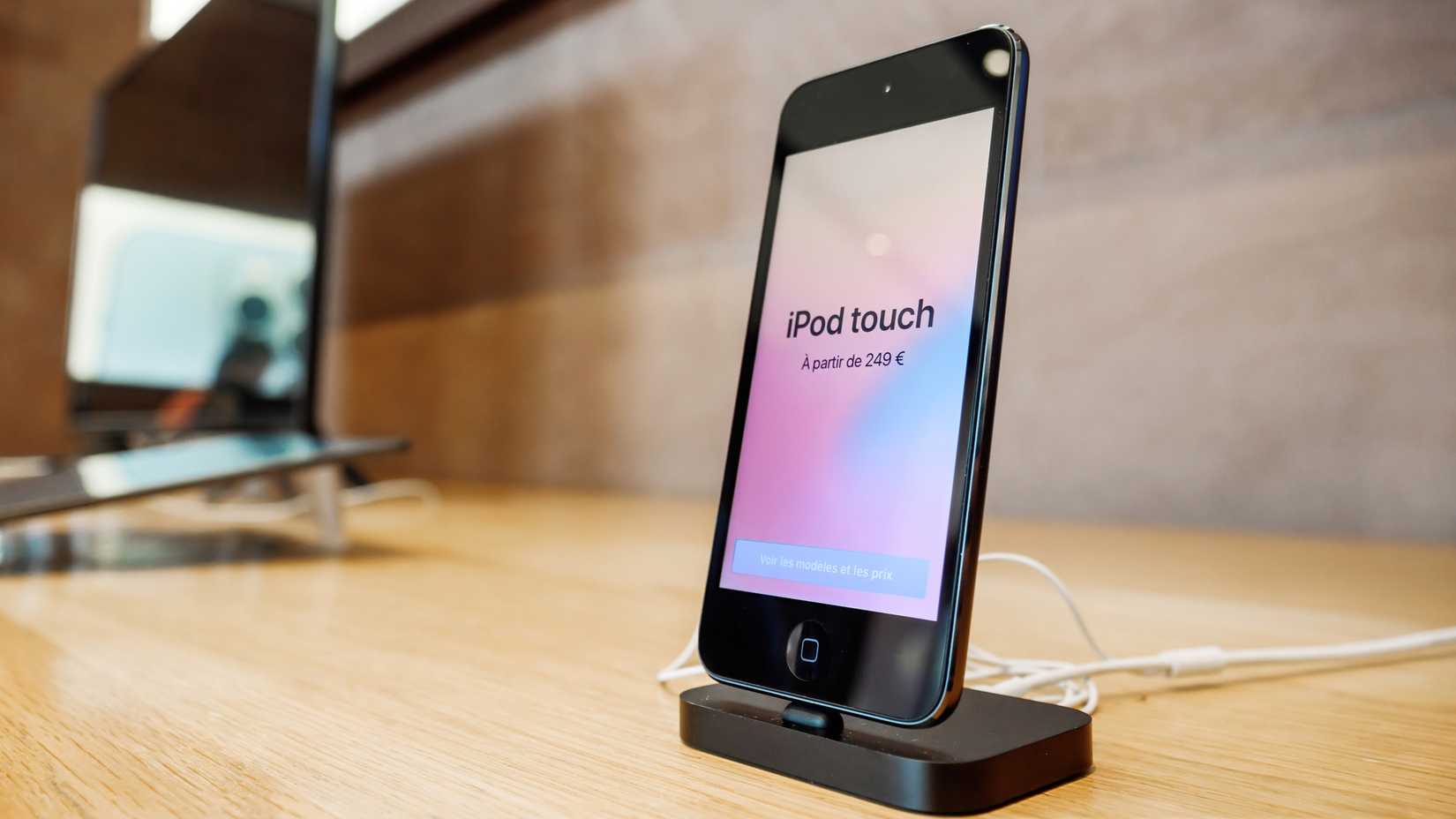
Credit: Hadrian/Shutterstock.com
What the iPod Touch really did for me was get me used to the idea of apps as a whole. You have to remember that “smart” phones from Blackberry and Nokia weren’t a free for all when it came to software. An iPod Touch was like a proper computer in the sense that there were tons of third-party apps.
You didn’t even realize half the things you could do until you browsed the App Store and saw what people had come up with. Having this device be a stripped-down iPhone paid off big time here, because these were the same apps the iPhone got. In fact, they were also the same apps the iPad got, just with UI tweaks to match each device.
You could almost think of it as an early glimpse of Apple’s unified ecosystem today, where Mac, Apple TV, iPad, and iPhone apps can often share large portions of the same code and don’t require completely separate development from scratch.
Why the iPod Touch deserves credit as a visionary product
All of this makes it pretty surprising that we don’t talk much about the iPod Touch these days. Considering Apple sold literally hundreds of millions of these devices and the last iPod Touch generation was released in 2019—the 7th. The iPod Touch was discontinued in 2022, yet it feels much longer ago than that. It’s rare that such an influential product is forgotten so quickly, but maybe it’s a testament to the iPod Touch that transitioning to an iPhone was so seamless that no one even noticed it was gone.