
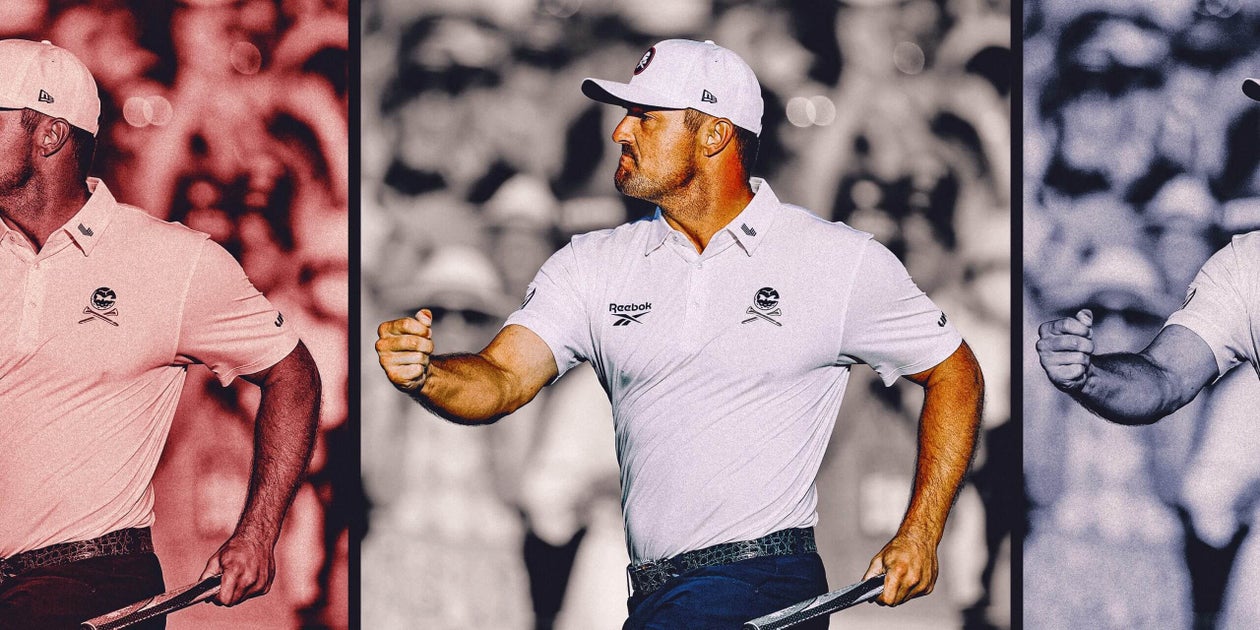
There is no golfer more powerful than Bryson DeChambeau in 2026.
His LIV Golf contract expires at the year’s end, the PGA Tour’s doors are back open, and eight million pairs of virtual eyeballs — across platforms — will follow him no matter where he goes.
DeChambeau sits at the negotiating table in a one-of-one power position, perhaps unprecedented in sports. There are no salary caps, no roster constraints, and, perhaps most importantly, two leagues fighting over the same talent.
Tiger Woods is still the most valuable golfer of all time, but even if he had wanted to leave the PGA Tour at his peak, where would he have gone? A credible alternative did not exist. The closest example is Lionel Messi, a strong enough allure that MLS was willing and creative enough to let Messi share in its Apple TV revenue to bring him to Miami.
With Brooks Koepka having already accepted an offer to return to the PGA Tour, LIV knows that its future rests in DeChambeau’s hands. But DeChambeau has a third option, one he’s publicly wielding — compete in the four major championships, owned and operated by neither league, and make YouTube videos.
DeChambeau has leverage because he has options unique to him, the boldness of his career choices allowing him to operate in the center of golf’s divide.
The first: The two-time major winner re-signs a massive guaranteed-money contract with LIV Golf by the year’s end. Even before Koepka announced his return to the PGA Tour through a new pathway for top LIV players, DeChambeau was reportedly seeking a massive re-up — $500 million, exactly, according to The Telegraph. If they give it to him, and DeChambeau accepts a renewal, LIV narrowly escapes a massive potential blow to its product.
LIV hasn’t secured a high-profile signing since Jon Rahm in 2023. It has young talent, but still features few in-prime, recognizable names. North American TV ratings remain modest, despite a contract with Fox Sports. Without DeChambeau, industry experts believe LIV plods along, but continues to pivot to a global league, a model that has some value but is less attractive to big-name players.
Or DeChambeau could turn back to the PGA Tour, like Koepka. The tour’s Returning Members Program has a Feb. 2 deadline, two days before LIV’s season-opening tournament, and CEO Brian Rolapp has threatened it could be a one-time offer.
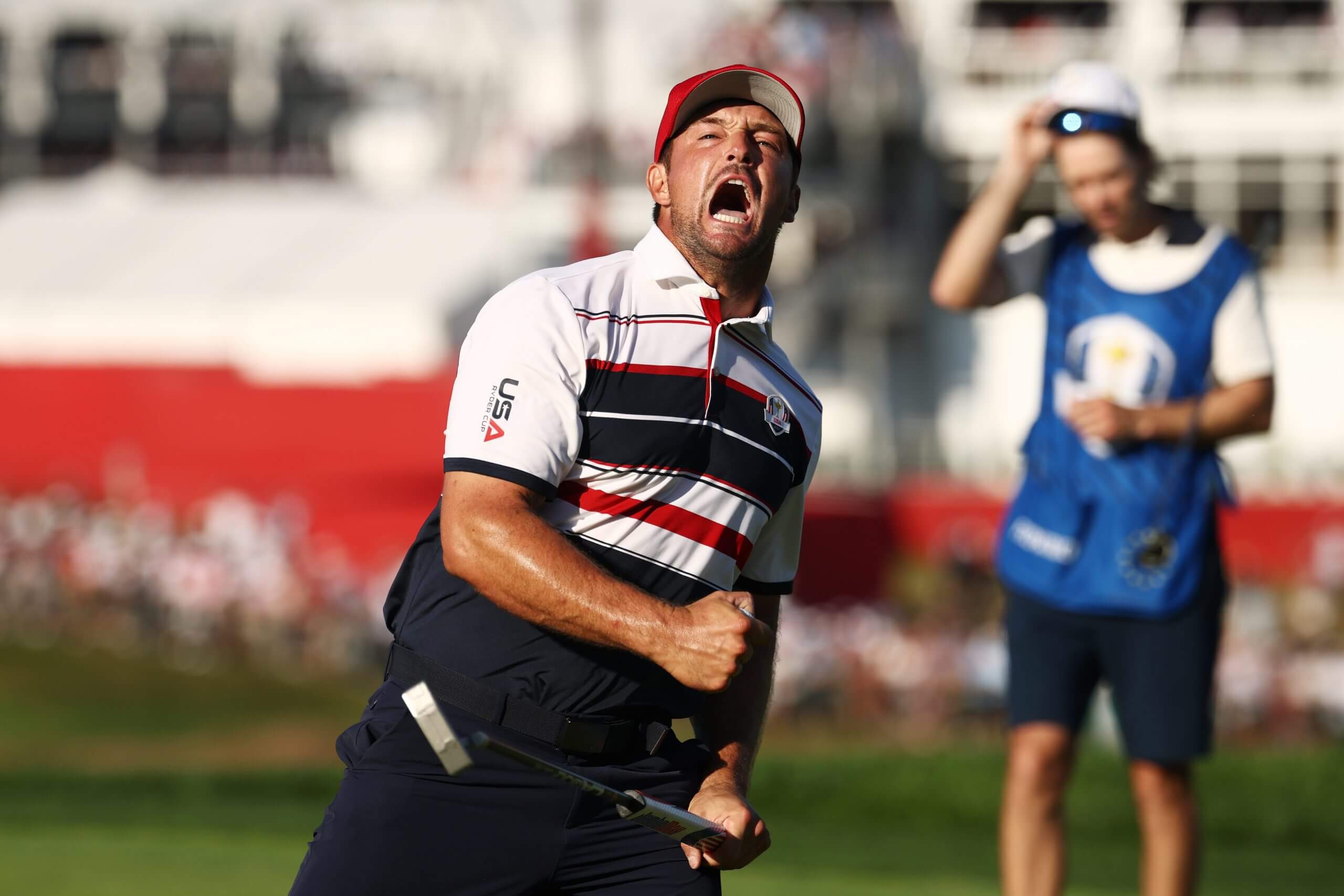
Bryson DeChambeau’s raw emotion has made him a fan favorite. (Jared C. Tilton / Getty Images)
DeChambeau already stated his contractual obligation to LIV Golf in 2026, but that statement was hardly effusive. “Right now I’ve got a contract,” DeChambeau said. “Looking forward to seeing what we can do with LIV Golf this year.” Rahm, another player eligible for the program, was equally unenthusiastic while pledging loyalty to the league.
Industry sources say that Rolapp’s new PGA Tour regime would find a way to welcome back a player like DeChambeau. The Strategic Sports Group, the private equity group that injected $1.5 billion into the tour, wants an eventual return on its investment. That group knows that the U.S. media rights package, which currently runs through 2030, holds the keys to achieving such a return. Bringing back DeChambeau before re-negotiating begins would be a pivotal head start.
The sticking point in DeChambeau’s ability to even consider a return to the PGA Tour will be his tendency to push the envelope with off-course activity, not just YouTube but also endorsement deals.
While DeChambeau has been a cheerleader publicly for LIV since his 2022 arrival, the relationship has not always been perfect. According to a source familiar with LIV’s business dealings, granted anonymity so they could speak freely, DeChambeau and LIV went head-to-head in a contract dispute over his personal media rights — which include his YouTube channel — at the end of the rebel league’s 2024 season. They eventually worked it out. The league does not comment on confidential player contracts.
LIV has been more open, and CEO Scott O’Neill likes to think of the league as player-friendly overall. That has not always been the case for the PGA Tour, and bringing DeChambeau back into the fold will not be as neat and easy as it was with Koepka.
DeChambeau’s corporate partners will be a conflict. The 32-year-old just became the first pro athlete to partner with Kalshi, the controversial prediction market platform. He also works with Underdog Fantasy, a daily fantasy sports company. The PGA Tour currently bars players from endorsing prediction markets and requires specific approval for players who want to work with gambling platforms.
DeChambeau’s freedom on YouTube will also be a factor. But interestingly, the PGA Tour recently relaxed its rules around players creating content outside of tournament competition — exactly the type of videos DeChambeau makes.
In a memo shared with members in May 2025, obtained by The Athletic, the tour states that players do not need prior approval to share “post-produced, non-live content that features only one professional golfer.” But they do need PGA Tour approval when the video features “two or more” professionals, or offers a winner’s purse. Tommy Fleetwood and Jason Day are both taking advantage, filming with native YouTubers or completing challenges typical of the platform.
It’s been more than a year since DeChambeau independently published a video that would have conflicted with the PGA Tour’s regulations, but would he want to be beholden to those rules, on principle? There’s one more route that DeChambeau is just confident enough to tout: Walk away from it all, and bet on himself.
It might sound like a bluff, but on YouTube, DeChambeau privately funds and operates an effort to do what golf has been trying to accomplish for more than a decade. He cross-collaborates with other athletes and leagues, engages modern distribution channels and successfully reaches Gen-Z.
“That’s an incredibly viable option, I’ll tell you that,” DeChambeau told Front Office Sports last week. “Doing the course record series and doing ‘Break 50’s.’ It does keep me quite dialed in for tournament golf. That’s why I do it right before competition. It’s an opportunity. The financial opportunities are there, and I’m excited to see what comes in the future.”
Because he’s won two U.S. Opens, DeChambeau is eligible for the four major championships through at least 2028. He has 2.6 million subscribers, 4.3 million Instagram followers and 2.1 million more on TikTok to compete for in between.
Now, YouTube isn’t just a side-hustle for DeChambeau. It’s a negotiating point.