
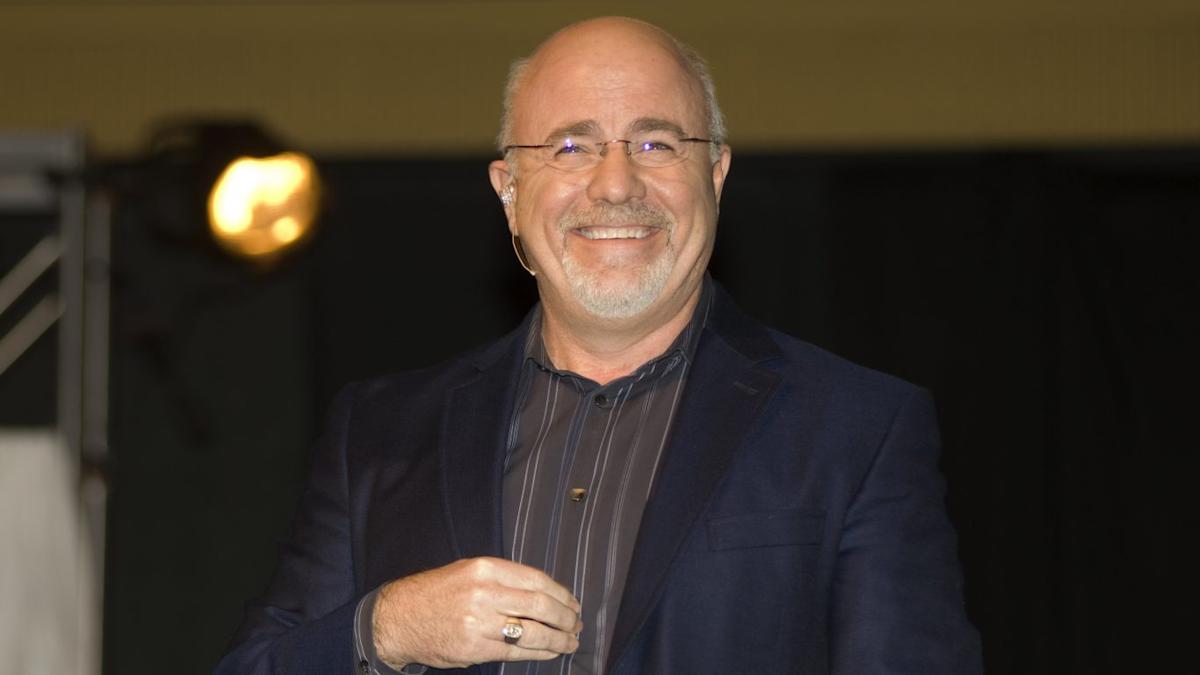
Personal finance icon Dave Ramsey is among the leading voices on everything tied to individuals’ personal finances across America. His call-in radio show, seminars, books and other information on how individuals can achieve financial freedom have provided millions with a road map for how to get out of debt and break into a stage of abundance in life.
Living on less than you make creates margin for debt payoff and retirement investing.
Ramsey recommends investing 15% for retirement and maximizing Roth IRAs below income thresholds.
Paying off vehicles creates additional margin before tackling mortgage paydown.
A recent study identified one single habit that doubled Americans’ retirement savings and moved retirement from dream, to reality. Read more here.
Now, Dave Ramsey has some rather controversial views around debt, with an overarching theme that debt is far too risky for most households and should be paid off. His personal mantra is to be debt-free, invest at least 15% for retirement, and pay off one’s house as soon as possible to achieve these goals. His “baby step” program provides the roadmap for how investors can become debt free and invest for one’s future, with relatively simple concepts put forward in a bid to speak to every American wherever they are on their journey.
That said, aside from the baby steps program (which I’d argue is great, particularly for those who are deep in the hole in terms of their debt load), there’s one piece of financial advice Dave Ramsey continues to espouse I think applies to everyone, no matter their current financial state.
 24/7 Wall St. · 24/7 Wall St.
Elderly couple making a budget
No matter whether you make $50,000 per year, $100,000 per year or $1 million per year, achieving any level of financial success simply isn’t possible over the long-term without adhering to this simple (but essential) principle of living on less than you make.
Dave Ramsey and other personal finance experts all point to the fact that plenty of folks with ultra-high levels of income can, in many cases, have a smaller investing portfolio than teachers, firefighters and others with modest salaries who consistently put capital away in their employee retirement accounts and other vehicles such as Roth IRAs.
Indeed, Ramsey is among the growing chorus of experts who suggest that investors who are below the income thresholds which exclude some from investing in Roth IRAs to maximize these accounts first. Receiving one’s employee match, and other key pieces of advice around investing are included in the later stages of the baby steps, with the first few steps tied mostly to building an emergency fund and paying down debt.
Story Continues
That said, paying down debt and investing one’s margin in the market isn’t possible without living on less than one makes. That’s the starting point that makes Dave Ramsey’s entire personal finance philosophy work.
StunningArt / Shutterstock.com · StunningArt / Shutterstock.com
A man thinking with a question mark above his head
Life follows various trends, which impact all of us at a certain point. Being young and taking on student debt is a reality many of us face, as is getting our first car (which most likely will be financed) and buying that starter home (which comes with even more debt). With the addition of children and other expensive priorities, debt can pile up if we’re all not careful.
Ramsey’s view is that avoiding this debt pileup is essential at the early stages of one’s life, and saving for important goals such as a house or a child’s education is essential (though these come after paying down the high interest debt first).
Again, having the margin to do so (one’s income less expenses) is crucial to provide the breathing room required to achieve all these critical goals. Whether you’re in the early stages of your career, in the “messy middle” (one’s 30s and 40s) or nearing retirement, this piece of advice is the sort of boiler-plate wisdom that can really create the wiggle room to live a great life today and decades from now.
mediaphotos / iStock via Getty Images · mediaphotos / iStock via Getty Images
A man receiving advice in a meeting
I eat avocado toast, and enjoy coffee every day (which I make at home with my own espresso machine). Small purchases are something I don’t sweat. But the larger expenses and investments I make are ones that I think about most, and creating the margin between my take home pay and my debt obligations is something I’m consistently working on.
I think Dave Ramsey’s advice around having a paid off vehicle is essential to creating the sort of margin I talked about before, and paying off our vehicle was my top priority a couple years back. Additionally, having zero credit card debt – while using those cards to capture points (which is contrary to Dave Ramsey’s advice, but I don’t like debit cards) – allows for additional mortgage pay down opportunities I’m taking advantage of.
I don’t agree with all of Dave Ramsey’s advice. As mentioned above, I used credit cards and am willing to take on debt for key life goals. But paying off this debt via the margin I’ve been able to create has allowed for some amount of pulling the future into today, while not necessarily driving me to the point of becoming concerned about having enough to satisfy my current obligations. I think any investor or individual can incorporate this advice to at least start out and build that emergency fund, pay off debt, and start investing at least 15% of one’s income for retirement.
The key is starting somewhere, and living off less than you make is about the most simplistic (but powerful) advice I think everyone can get behind.
Most Americans drastically underestimate how much they need to retire and overestimate how prepared they are. But data shows that people with one habit have more than double the savings of those who don’t.
And no, it’s got nothing to do with increasing your income, savings, clipping coupons, or even cutting back on your lifestyle. It’s much more straightforward (and powerful) than any of that. Frankly, it’s shocking more people don’t adopt the habit given how easy it is.