
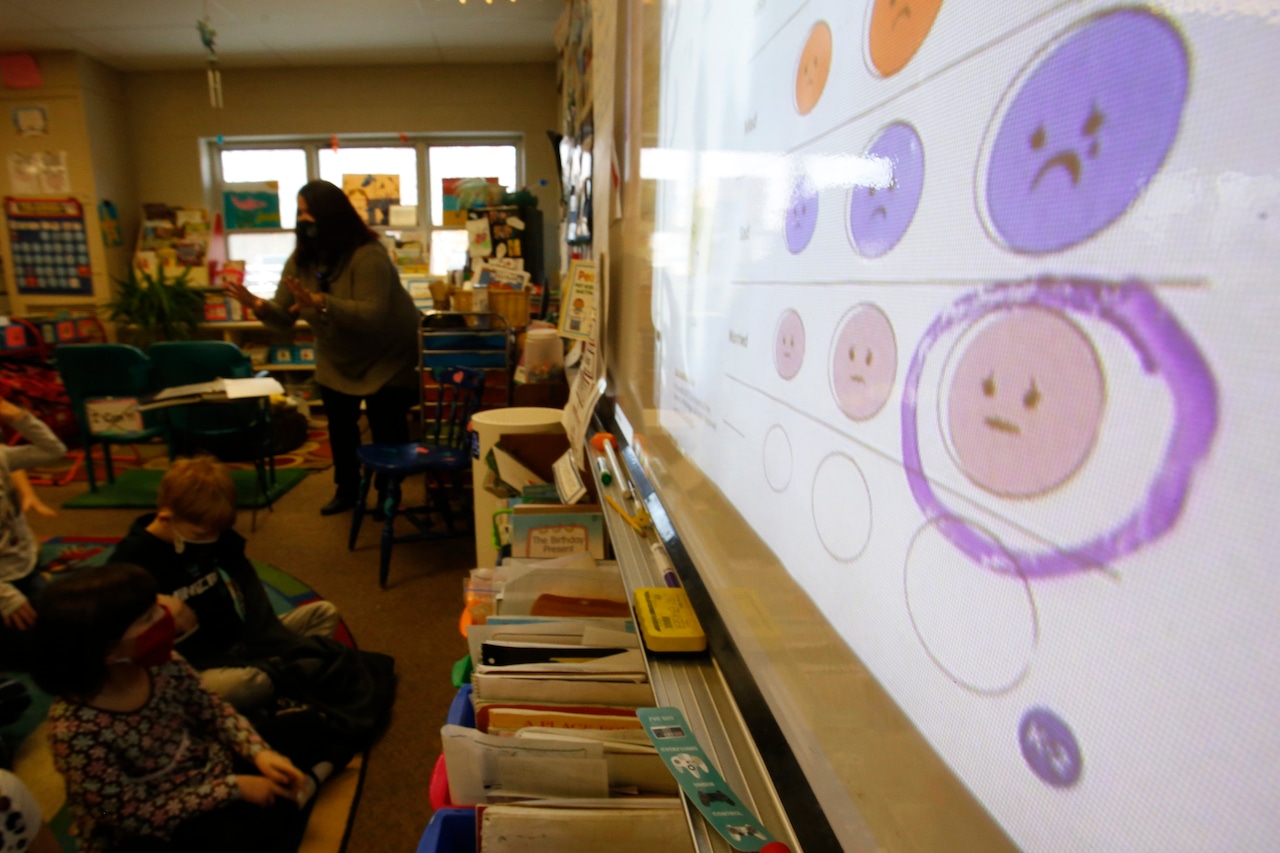
Alabama doesn’t have enough doctors or psychiatrists to treat the mental health crisis in the state.
In fact, Alabama ranks dead last in the nation for access to mental health providers, according to the 2025 Alabama Kids Count Data Book.
“In Alabama, pediatricians, teachers, and juvenile justice professionals across the state are reporting increased behavioral health needs among the children they serve,” according to the report by the nonprofit Voices for Alabama’s Children.
“Emergency departments are seeing more young people in psychiatric crisis. Schools are struggling to manage disruptive behaviors and trauma responses with limited staffing and training.”
Alabama ranked 51st in availability of mental health providers and 49th for access to mental health services.
Families face long waitlists, problems with insurance and issues getting transportation to appointments, as the state has underfunded mental health care, the report says.
“The data show why continued investment in effective mental health supports is critical,” said Apreill Hartsfield, director of policy, advocacy, and research at VOICES. “As policymakers focus more on these challenges, timely data will help guide decisions that improve outcomes for children and families.”
Children are facing a mental health crisis nationwide, and hit an inflection point when the COVID-19 pandemic hit, according to the report.
And many of the children showing signs of distress are also facing issues like food insecurity, poverty and unstable housing.
According to the report, poverty rates for children under 11 have gone up since 2000, while the rate of kids experiencing abuse or neglect rose from 8.1 per 1000 in 2013 to 10.1 in 2024. In 2024, more than 38,000 kids in Alabama were involved in reports of abuse or neglect.
There are initiatives that are working, like the school-based mental health collaboration, which is a partnership between state agencies, school districts and community health centers to embed more mental health professionals into schools.
But rural districts are still struggling with underfunding, staffing shortages and limited training, the report found.
“Expanding access to school-based mental health coordinators, counselors, and foundational life skills resources is vital,” the report said. “Trauma-informed professional development
for educators, peer-led mental health initiatives, and school-family partnerships can further strengthen the school’s role as a protective factor.”
Other school-related metrics fare far better.
Early intervention services for children with disabilities or developmental delays increased by 48% since 2014, serving more than 9,000 children.
Fourth-grade reading scores improved nearly 10 percentage points since 2021, while chronic absenteeism fell to 12.4% in the 2024-2025 school year, below pre-pandemic levels.
Nationwide, Alabama ranks 43rd for child wellbeing, the national Kids Count report found earlier this year. That’s a drop from 39th in 2024.
Some counties are doing better than others when taking all measures into account, like birth weights, food insecurity, test scores and participation in pre-school programs.
In Alabama, Shelby County had the highest overall child wellbeing score, followed by Limestone, Blount and Madison counties. Wilcox county had the worst score, followed by Perry, Dallas and Bullock counties.
“Sustained, year-round attention is essential to improving children’s mental health and long-term outcomes,” said Dr. Tracye Strichik, executive director of VOICES for Alabama’s Children