
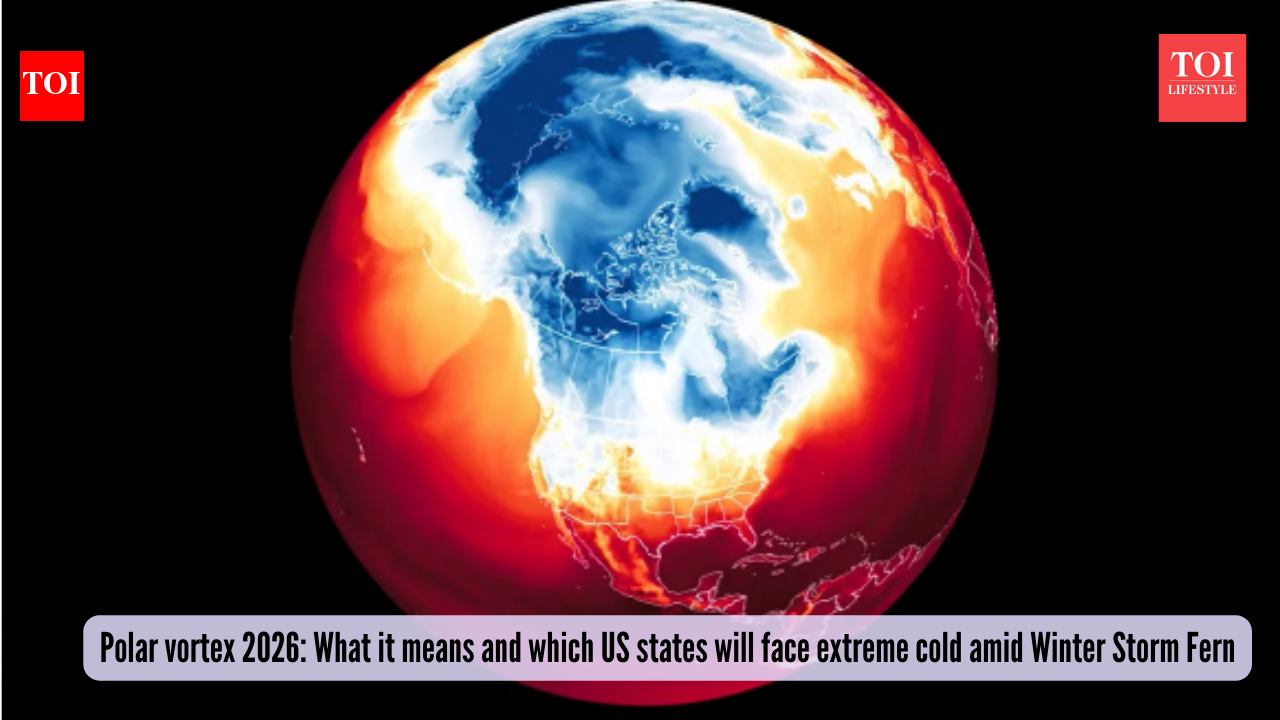
 A polar vortex expansion is bringing extreme cold and heavy snow to over 150 million Americans across two dozen states. Winter Storm Fern is set to cause significant travel disruptions and potential blackouts, with some areas facing over 24 hours of subzero temperatures, snow, and ice. Winter’s about to make a comeback with some of the most extreme temperatures across the US, bringing the kind of bone-chilling cold that turns daily routines into survival mode.This isn’t your average cold wind slipping by; it’s a polar vortex expansion unleashing Arctic fury, with snowdrifts up to two feet deep and ice storms knocking out power lines – similar to past events that paralysed travel and caused blackouts.
US ‘Under Siege’: Emergency In DC, NYC, 14 Other States; Monster Storm Threatens 230 Mn Americans
The storm, known as Winter Storm Fern, is set to disrupt everything from commutes to weekend plans.A polar vortex expansion is driving extreme cold south from Canada, caused by Winter Storm Fern. Over 150 million people across two dozen states face subzero temperatures, snow, and ice, per Sky at Night Magazine. Travel disruptions and blackouts loom large, especially in less-prepared areas.
What does polar vortex mean?
The polar vortex is basically a swirling pocket of super-cold, low-pressure air that is mainly experienced in and around the North and South Poles. It gets stronger in winter, but sometimes it stretches out and pushes that icy air way down south toward places like the US. Even though it’s high up in the atmosphere, we feel the chill right here on the ground. 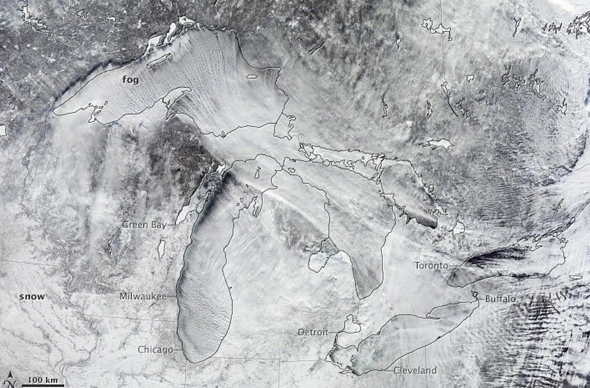
Blast of extremely cool air near lake michigan, previously
Which states will experience the polar vortex?
By January 23–25, icy air will hit from North Dakota to Michigan, while heavy snow and ice are expected from Kansas to New York. Highly treacherous spots include Louisiana, Mississippi, Alabama, Georgia – regions unready for a prolonged freeze – according to Night Sky Magazine and the BBC.Some areas dealing with nonstop ice, snow, and subzero chills could see conditions last for over 24 hours straight, says the weather site AccuWeather. They also warn that even after the main storm passes, slippery icy patches may stick around for a while, leading to more issues like travel delays or shutdowns.
Snow and ice warnings
Up to two feet of snow looks possible, crippling transportation facilities, so it is advisable to check flights and road blockages ahead of time. The National Weather Service calls for carrying emergency kits and warm layers. Icy roads will remain hazardous even after the snow stops. Gulf moisture is expected to increase ice risks.Photos via NASA earth observatory