

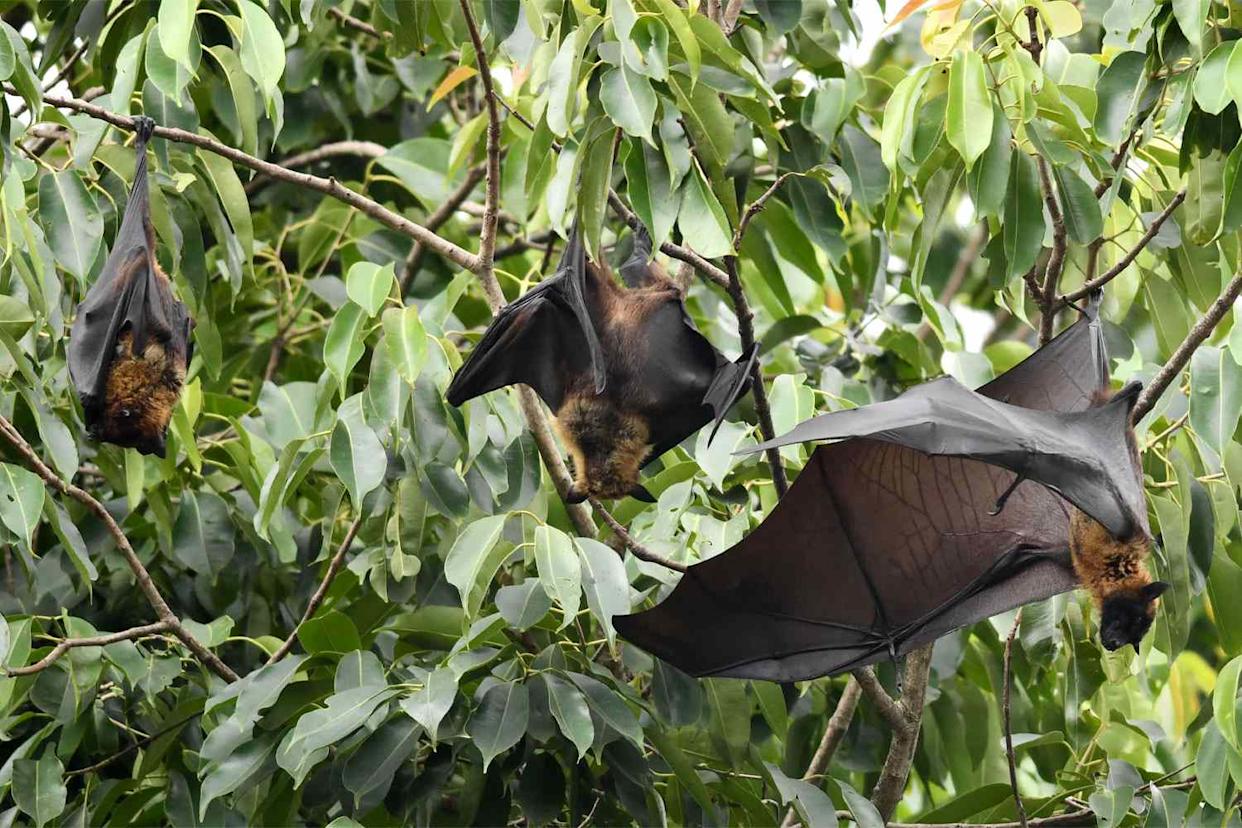
BIJU BORO/AFP via Getty
Bats (stock image)NEED TO KNOW
Authorities in India have confirmed that two cases of Nipah virus have been reported
Two nurses at a private hospital near Kolkata, West Bengal, were infected with the potentially fatal virus, and one is in a coma
“The most likely source of infection is a patient who had been admitted to the same hospital previously,” a senior health official said
Authorities in India have confirmed that two cases of the deadly Nipah virus have been reported — and health officials are putting quarantine and surveillance measures in place.
According to reports from the Hindu, The Telegraph and The Independent, two nurses at a private hospital near Kolkata, West Bengal, were infected with the virus, which is zoonotic — meaning it spreads between animals and people.
“Two nurses at a private hospital are infected with Nipah virus, and one of them is in critical condition,” health official Narayan Swaroop Nigam told The Telegraph.
The two were working together from Dec. 28 to Dec. 30. Over the course of the next few days, from Dec. 31 to Jan. 2, both nurses developed high fevers and respiratory distress.
The two were admitted to the intensive care unit at the same hospital where they work on Jan. 4 after their conditions worsened, the outlet reported. One of the nurses is now in a coma.
Health officials said that an initial investigation suggests that both nurses caught the virus from a patient with severe respiratory symptoms. The patient died before they could be tested for Nipah.
“The most likely source of infection is a patient who had been admitted to the same hospital previously,” a senior health official involved in West Bengal’s Nipah surveillance efforts told The Telegraph. “That individual is being treated as the suspected index case, and investigations are ongoing.”
Officials said that 180 people in the region had been tested for Nipah as of Jan. 20, and 20 people who had high-risk contact with the two nurses have been quarantined.
Nigam told The Telegraph that every test came back negative thus far, and the people in quarantine will be tested again at the end of their 21-day isolation period.
“Given the serious nature of Nipah virus infection, which is a zoonotic disease with high mortality and potential for rapid spread, the situation is being handled with utmost priority,” a senior Health Ministry official told the Hindu.
Both local and nationwide agencies, including the country’s National Centre for Disease Control, are now involved in the incident, and the investigation is still underway.
The Hindu reported on Saturday, Jan. 24, that officials were testing bats at Kolkata’s Alipore Zoo to rule out infection.
Researchers from India’s National Institute of Medical Research collected blood and swab samples from bats at the zoo over two days, a State Forest Department official told the outlet. RT-PCR tests, which test for genetic materials from viruses, are also being conducted on bats across various parts of West Bengal.
Never miss a story — sign up for PEOPLE’s free daily newsletter to stay up-to-date on the best of what PEOPLE has to offer, from celebrity news to compelling human interest stories.
“The team collected swab samples from bats. They have followed all the protocols during the process,” Alipore Zoo Director Tripti Sah said. Other officials told the outlet that preventative measures were put in place, and there is “no reason for immediate panic.”
According to the World Health Organization (WHO), Nipah virus causes a range of illnesses from asymptomatic infection to acute respiratory illness and fatal encephalitis, or inflammation of the brain. It also causes severe disease in animals such as pigs.
The first recognized outbreak was detected in Malaysia in 1999. In that outbreak, 100 people died in both Malaysia and Singapore, and one million pigs were killed to prevent further spreading of the disease, which had severe economic consequences for farmers, according to the Cleveland Clinic.
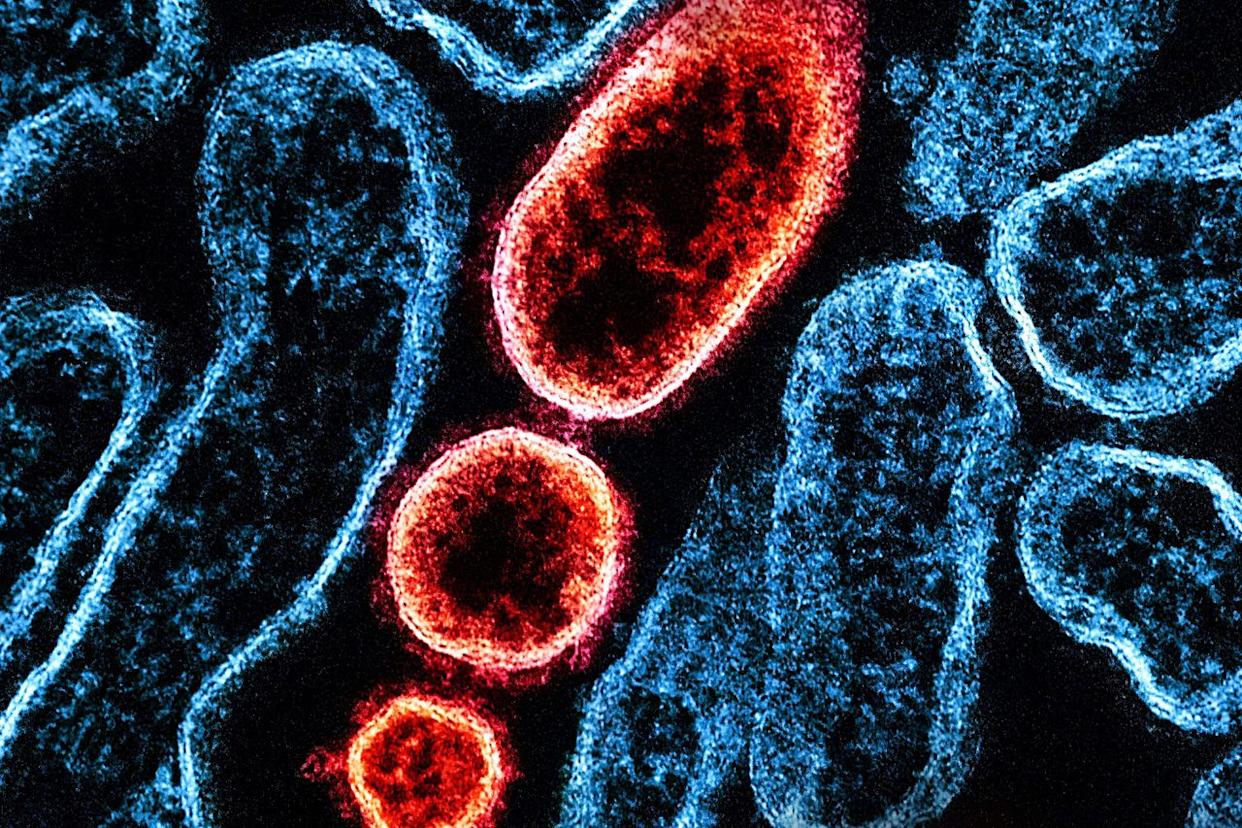
NIH-NIAID/Image Point FR/BSIP/Universal Images Group via Getty
Nipah virus particles
The WHO states that Nipah transmission is thought to occur when people are exposed to secretions from animals or contact with the tissue of a sick animal. Some outbreaks were traced back to fruits or fruit products, such as juice, that were contaminated with urine or saliva from infected fruit bats. The illness can also be spread from human to human.
The virus has no vaccine or cure, and doctors can only treat the symptoms — which initially include fever, headaches, muscle soreness, vomiting and sore throat, before transforming into dizziness, drowsiness, altered consciousness, and neurological issues linked to encephalitis.
Pneumonia and other respiratory problems can also occur, and the virus has an incubation period of four to 14 days. No cases have ever been reported in the U.S.
Most people who contract the virus make a full recovery, according to the Cleveland Clinic, but some patients have reported neurological conditions that result from encephalitis.
India’s Ministry of Health has advised the public to take precautions amid the outbreak. In a social media post, the agency recommended that those in the region wear protective clothing whenever handling or cleaning animals and sheds, wash fruit before consuming it, protect sap and juice collection from bats, and avoid exposure to bats by not visiting areas such as abandoned buildings, caves or mines.
Read the original article on People