
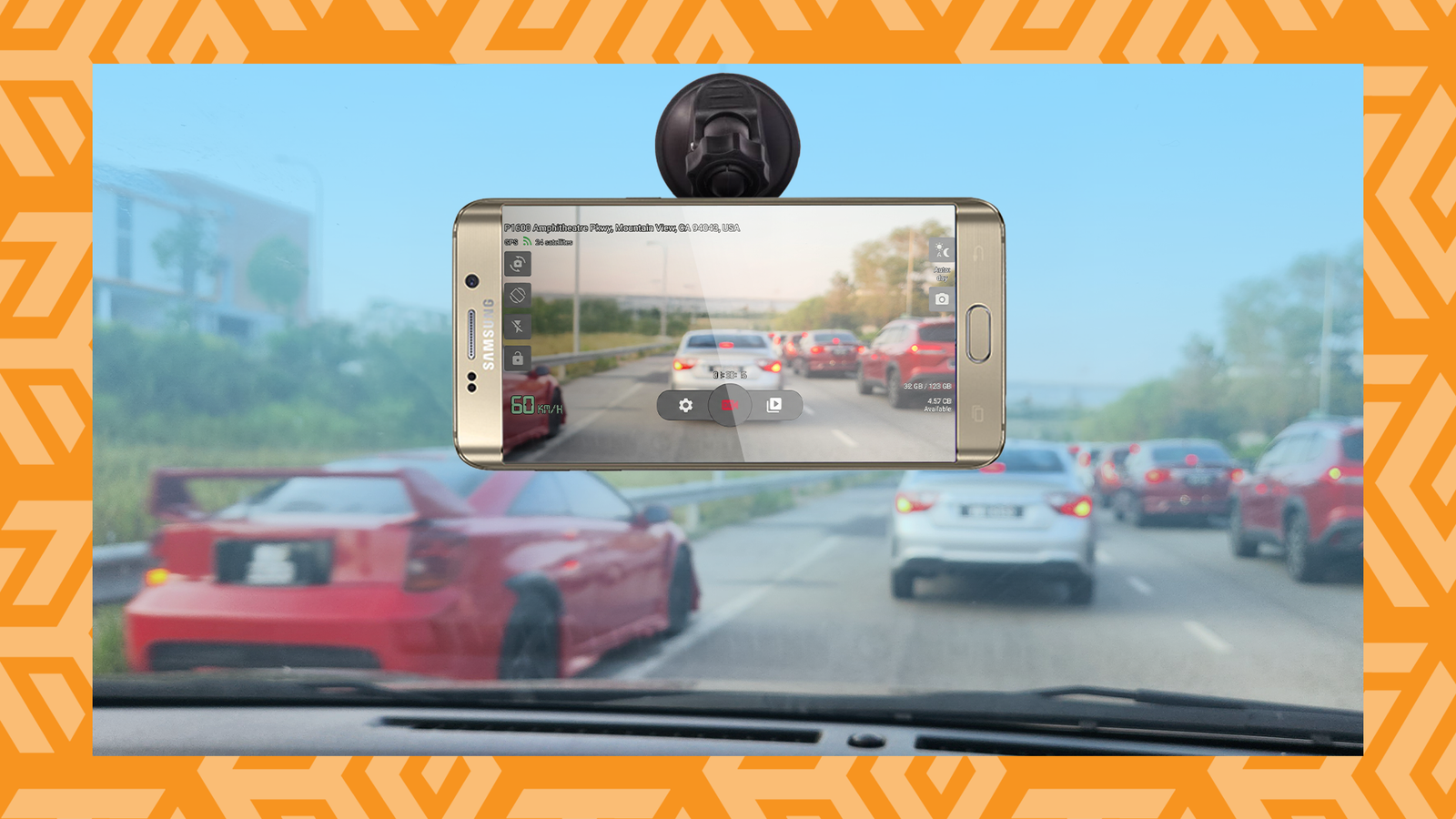
I used to spend a lot of time commuting, but these days I’m lucky enough to work remotely. My wife isn’t. She drives about 20 miles each way on busy highways, and like a lot of people, I worry about her every time she pulls out of the driveway. Late last year, I bought her a dashcam. It’s nothing fancy, just something recording in the background, but she really likes it and says it gives her peace of mind. That alone made it feel worth it to me.
That got me thinking about all the old iPhones and Android phones I’ve accumulated over the years, sitting in boxes and collecting dust. They already have good cameras, GPS, and sensors, so how hard could it really be to turn one into a dashcam? As it turns out, it’s not hard at all. With the right app, an old phone can handle loop recording, manage storage automatically, and start recording hands-free every time you drive, which makes it a surprisingly practical alternative to buying dedicated hardware.
This is the iPhone dashcam setup I’d recommend
I’ve been in the Apple ecosystem for quite a bit, largely because I support a bunch of family members tech-wise. Smart Dash Cam is the one I ended up using first on my iPhone 12 Pro Max, and honestly, it does everything I need without spending a dime. This app is iPhone only, and it turns an old iPhone into a solid dashcam with continuous loop recording so I don’t have to babysit the storage. It just overwrites the oldest clips as needed. It captures video in adjustable resolutions, lets you record with or without audio, and you can overlay time, speed, and a map right on the footage, which makes reviewing clips later way more useful.
The app also offers auto-record and collision detection, so if it senses an impact, it will lock that file to save before it can be erased by the loop system. You can let the screen go dark while driving to save battery, and it even lets you play music while recording without interrupting playback, which isn’t always a given on dash-cam apps.
The free tier of Smart Dash Cam covers the bases for casual use, and for me that’s been plenty. It supports local storage management options. You can set a maximum cap on how much space it uses or let it fill available device storage before it starts overwriting old clips, and you can export videos via email or cloud services like Google Drive or Dropbox right from the app. There are in-app purchases, but if you’re just capturing and reviewing drives like I do, you don’t really need them; the core dashcam functionality works well straight out of the gate.
Related
6 Ways to Repurpose Old Tech for Your Smart Home
Give your old gadgets a new lease of life.
Drive Recorder: A set-it-and-forget-it dashcam app fro Android
Drive Recorder is the Android app I usually point people to when they ask for a simple, reliable way to turn an old Android phone into a dashcam. It’s straightforward and focuses on doing the basics well. Once it’s set up, it just records in the background and gets out of the way, which is exactly what I want from a dashcam.
The core features are all here. Drive Recorder supports continuous loop recording, so storage never becomes a problem, and it can automatically start recording when the app launches or when the phone is plugged into power. You can overlay timestamps, speed, and GPS location directly on the video, which is useful if you ever need context later. Clip length, resolution, and storage limits are all adjustable, making it easy to tune the app to whatever older Android phone you’re repurposing.
What stands out is how much you get without paying. The free version handles everyday dashcam use just fine, and while there is a paid upgrade, it’s more about removing ads rather than gating the essentials. If you’ve got an old Android phone collecting dust, Drive Recorder feels like a practical, low-friction way to put it back to work without committing to dedicated hardware or a subscription.
Droid Dashcam: A dashcam app for people who like options
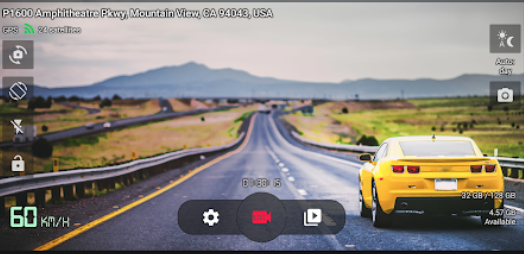
Credit: Droid Dashcam
Droid Dashcam is the most feature-rich Android option of the three, and it shows. It handles the essentials like loop recording, background recording, GPS, speed, and timestamp overlays, and it can automatically start recording when the phone gets power. On some phones, it even supports dual-camera recording, so you can capture the road and the cabin at the same time. If you like dialing in settings and squeezing every bit of capability out of old hardware, this app gives you plenty to work with.
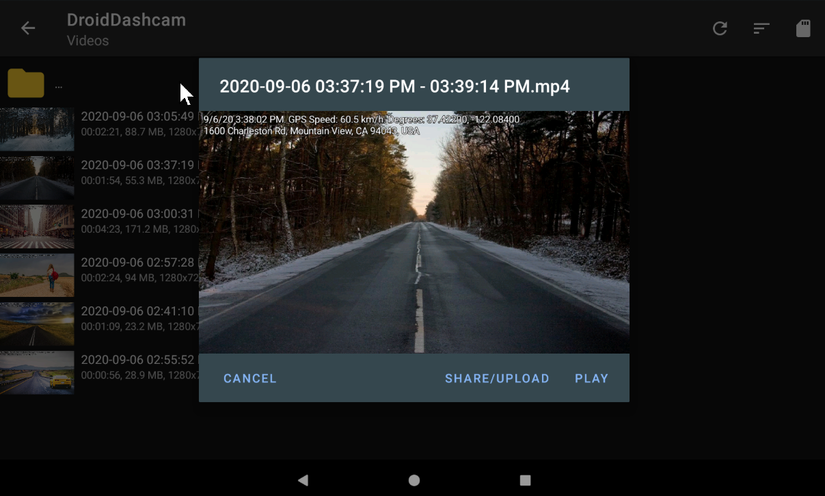
Credit: Droid Dashcam
The trade off is polish and efficiency. During extended use, the app can push older phones hard, leading to increased battery drain and heat, which may matter if this is a full-time setup. The interface also takes a little more effort to learn compared to simpler apps. Droid Dashcam is best if you want maximum control and don’t mind tweaking settings, but it’s probably overkill if all you want is a simple, set-it-and-forget-it dashcam.
Related
You can use your Android phone as a webcam for any computer
Get better video quality without buying a webcam.
Dedicated dashcams are convenient, but they’re also another piece of hardware to buy, mount, and maintain. If you’re like me, there’s a good chance you already have an old phone sitting in a drawer that’s more than capable of doing the same job. With the right app, that unused smartphone can handle loop recording, manage storage on its own, and record every drive in the background. It’s an easy way to add a little extra peace of mind to your commute without spending any extra money.