
A pilot program aimed at speeding up Medicare payouts for rural hospitals may be headed to Alabama soon, according to UnitedHealthcare CEO Stephen Hemsley.
In response to questions from U.S. Rep. Terri Sewell, D-Ala., Hemsley said UnitedHealthcare launched the program, otherwise known as the Rural Payment Acceleration Pilot, to “cut through the complexity” of processing Medicare Advantage payments for rural hospitals.
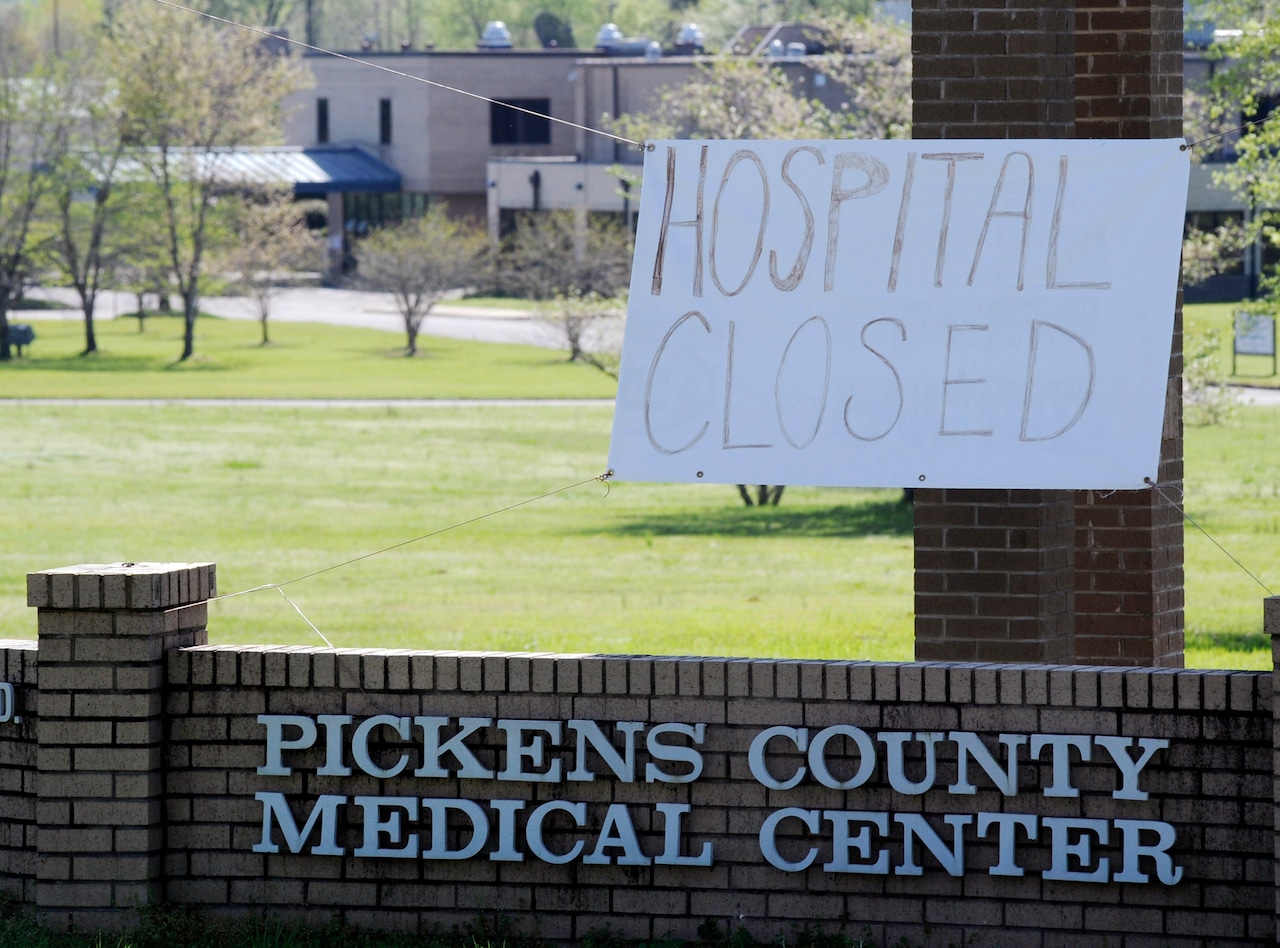
Of Alabama’s 52 rural hospitals, about half are in dire financial straits, Dr. Don Williamson, former president and CEO of the Alabama Hospital Association, recently told AL.com.
Some federal funds are on the way, but hospitals also have asked private insurers to improve reimbursement rates and make other adjustments to keep rural health care viable.
Through the use of “real-time processing,” Hemsley said rural hospitals like Hale County Hospital would be able to receive needed cash flow from Medicare Advantage payments faster.
According to a news release announcing the pilot’s launch this month, the processing changes will accelerate Medicare Advantage payment timelines by 50%, from less than 30 days to less than 15 days, on average, over the next six months.
“Rural hospitals are the backbone of their communities,” Bobby Hunter, CEO of UnitedHealthcare Government Programs, said in the release.
“By speeding up payments to these critical facilities, we’re helping providers focus on what matters most: patient care. Our goal is to co-create solutions with rural providers that support accessible care close to home. Together, we will learn quickly and scale what works,” UnitedHealthcare said.
Hospital advocates say changes to health care payments are needed to keep hospitals open.
“You can’t make a viable system or any business plan that works moving forward in a sustainable fashion if you’re not getting paid for what you do,” current president and CEO Danne Howard told AL.com in October.
The pilot is currently active in Oklahoma, Idaho, Minnesota and Missouri, but is headed to Alabama in the future, Hemsley told Sewell.
He did not specify a date.
Alabama’s health care systems also are under pressure from rising health insurance premiums and a shortage of doctors in many specialties.