
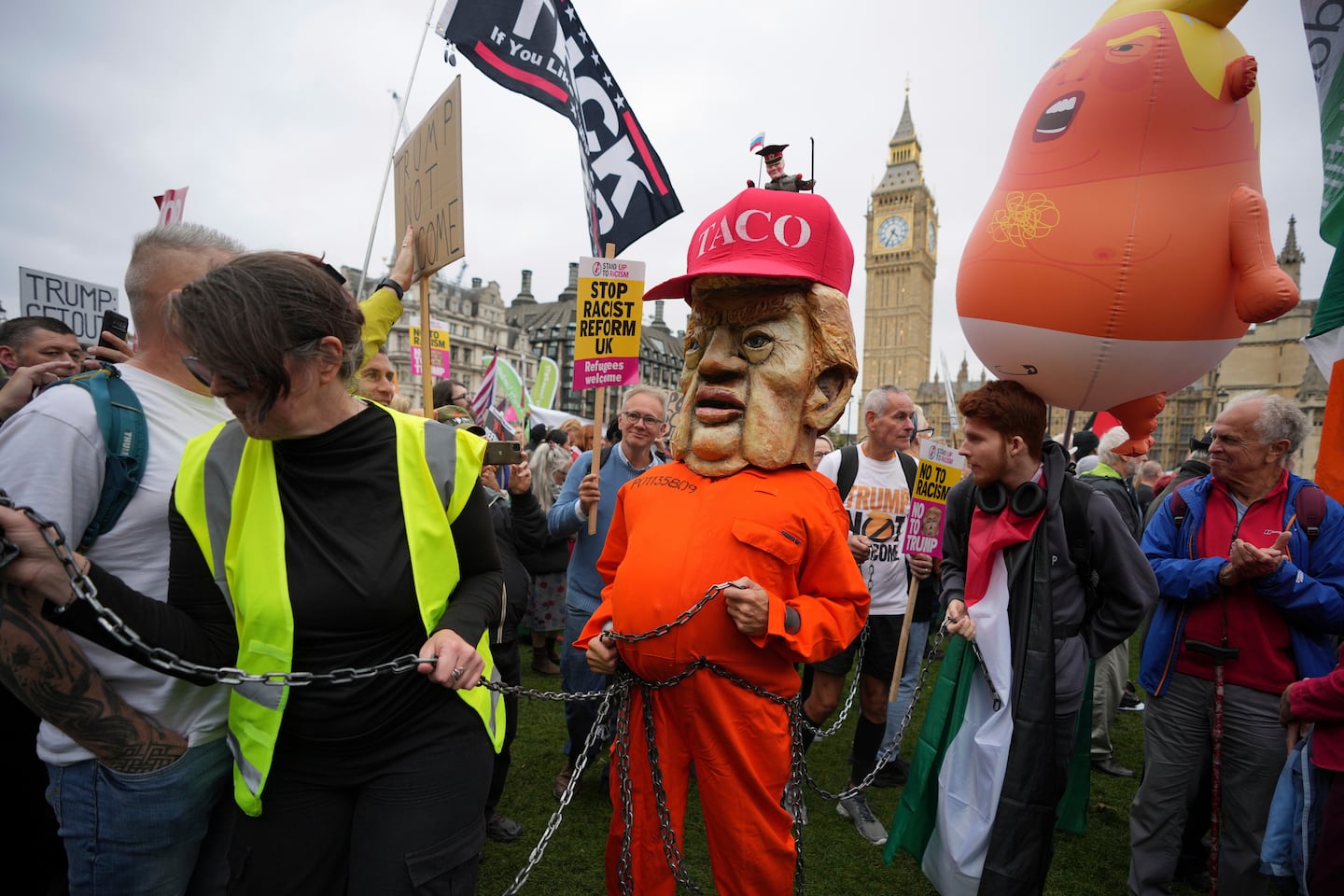
“What countries are you considering?”
“Are you looking at dual citizenship options elsewhere?”
I was caught off guard by the inquiries. I had never considered leaving the United States based on the outcome of the presidential election.
It’s not that I didn’t have concerns about what a “great” America could look like as defined by Donald Trump. But after spending a decade covering the president for outlets ranging from CNN to The Washington Post to Axios, I was surprised to learn how many people seemed to believe that fleeing the United States would protect them from the ramifications of his presidency.
According to a recent Gallup poll, 1 in 5 Americans want to leave the United States, including a record number of young women — 40 percent of those age 15 to 44 say they would leave the country. The percentage of Americans wanting to leave who disapprove of the country’s leadership is at nearly 30 percent — the highest on record for Gallup.
Get The Gavel
A weekly SCOTUS explainer newsletter by columnist Kimberly Atkins Stohr.
The desire to permanently leave the United States was not always so politicized. Interest in moving abroad during Barack Obama’s presidency was similar regardless of whether an individual approved or disapproved of Obama’s leadership. But 2017 — the year Trump first entered the White House — was the first time that Americans who disapproved of the president’s job performance wanted to flee the country at significantly higher rates than those who gave him favorable reviews. And with Trump’s approval ratings dipping to as low as 39 percent since returning to the White House, an uptick in the percentage of Americans wanting to flee could be forthcoming.
Leaving the United States might provide some respite from the 24-hour news cycle and its constant anxiety-inducing, Washington-centric coverage. But given the global power held by Trump — something he asserted again last week at the World Economic Forum gathering in Davos, Switzerland — the likelihood of making a home in a nation that is not deeply affected by Trump seems low.
Many at the conference and around the world breathed a sigh of relief after Trump said he had no plans to use military troops to annex Greenland, a Danish territory that the president said he needs to control for national security reasons.
But the president also issued a warning that came off as a threat:
“We want a piece of ice for world protection, and they won’t give it. We’ve never asked for anything else,” Trump said. “So they have a choice. You can say yes and we will be very appreciative, or you can say no and we will remember.”
Foreign policy orchestrated by a retaliatory leader who campaigned promising that revenge would be a guiding principle for him could have global repercussions. There are times when Trump seems uncertain about what he wants to do or how exactly he wants to do it. But one thing is clear: He is determined to get his way, in America and beyond. This is something world leaders appear deeply aware of as they grapple with how to shape policy with a president who has unapologetically ruptured diplomacy as they’ve previously known it.
Americans hoping to become expats should remember this as well. From threats of tariffs on European allies to bombing communities in West Africa months after ending international aid to them to getting in spats with political leaders in South America shortly after destabilizing neighboring countries, the Trump administration is making a host of policy decisions that affect not only Americans but also people outside the United States. This is something worthy of keeping in mind not only in whether one moves abroad but in how one votes while remaining in the United States.