
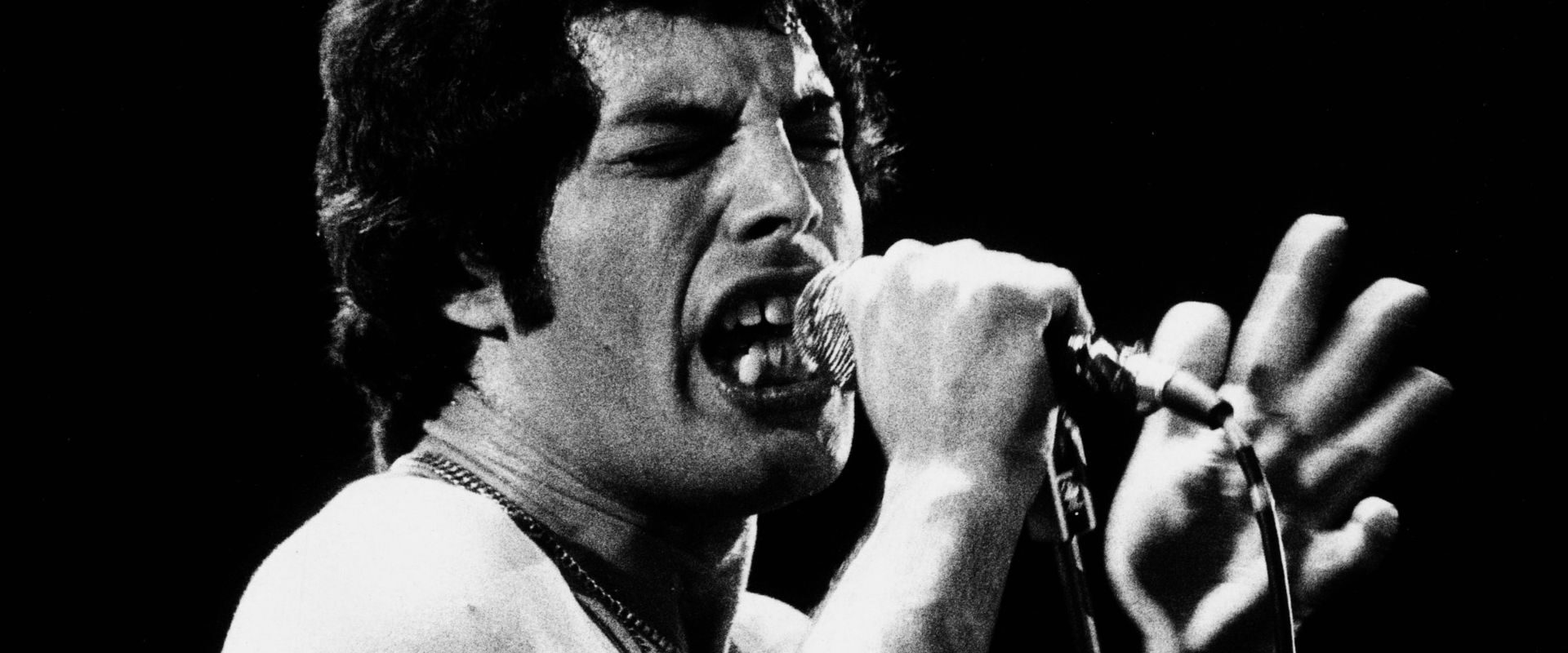
When Queen first released “Don’t Stop Me Now” on Jazz in late January 1979, the song wasn’t an immediate hit with the general public or the band. The song barely broke into the Top 100 in the band’s native U.K., peaking at No. 99. In the States, the Queen cut peaked at No. 25 on the rock-specific Billboard chart but not the Hot 100. For all intents and purposes, “Don’t Stop Me Now” remained a deep cut until the song experienced a resurgence in popularity around the late 2000s. (Some attribute that resurgence to this Shaun of the Dead scene.)
But to the fellow members of Queen, they had their reservations about “Don’t Stop Me Now” for a different reason. Lyrically, the song sees frontman Freddie Mercury at his freest and most liberated. “I’m a rocket ship on my way to Mars on a collision course,” Mercury sings defiantly. “I’m a satellite, I’m out of control, I’m a sex machine, ready to reload like an atom bomb about to explode.”
As empowering as those words might have been for Mercury at the time, they coincided with a changing lifestyle that sparked concern in his bandmates. They had no interest in seeing what was waiting for Mercury at the end of his interstellar collision course. A major tragedy and many years later, Queen guitarist Brian May would come to see the positives of the Jazz single.
Brian May Said It Was Difficult to Listen to “Don’t Stop Me Now”
“Don’t Stop Me Now” is a powerful anthem for doing exactly what you want, when you want to do it. And while that can be an exhilarating practice in theory, too much of anything is liable to turn sour. Freddie Mercury wrote the Jazz single at the height of his “sex, drugs, and rock ‘n’ roll” party days. And indeed, this kind of defiant devil-may-care attitude is pervasive throughout the entire song. Meanwhile, his bandmates watched from afar as this mindset led their friend and colleague down a dark, dangerous path.
“I thought it was a lot of fun,” guitarist Brian May later admitted in a 2011 interview with Absolute Radio. “But yes, I did have an undercurrent feeling of, ‘Oh, aren’t we talking about danger here?’ Because we were worried about Freddie at this point.”
Mercury received his AIDS diagnosis in the spring of 1987, years after doctors believed the first HIV/AIDS symptoms appeared. The highly influential rock vocalist died from bronchial pneumonia, a complication of AIDS, on November 24, 1991. Even years after his death, May said the feelings of concern he felt upon hearing “Don’t Stop Me Now” for this exact reason “lingered.”
“But,” May continued in 2011, “it’s become, I’d say, almost the most successful Queen track in regards to what people play in their car or play at their weddings or whatever. It’s become a massive, massive track. It’s a sort of anthem to people who want to just be hedonistic. I have to say, kind of a stroke of genius from Freddie.”
Photo by Blick/RDB/ullstein bild via Getty Images