
“These measurements of E.coli bacteria show contamination which is nearly 12,000 times what authorities limit for human contact.”
WASHINGTON — After nearly a week, since a section of the Potomac Interceptor sewer line collapsed along Clara Barton Parkway, DC Water reported it’s close to fully containing the overflow.
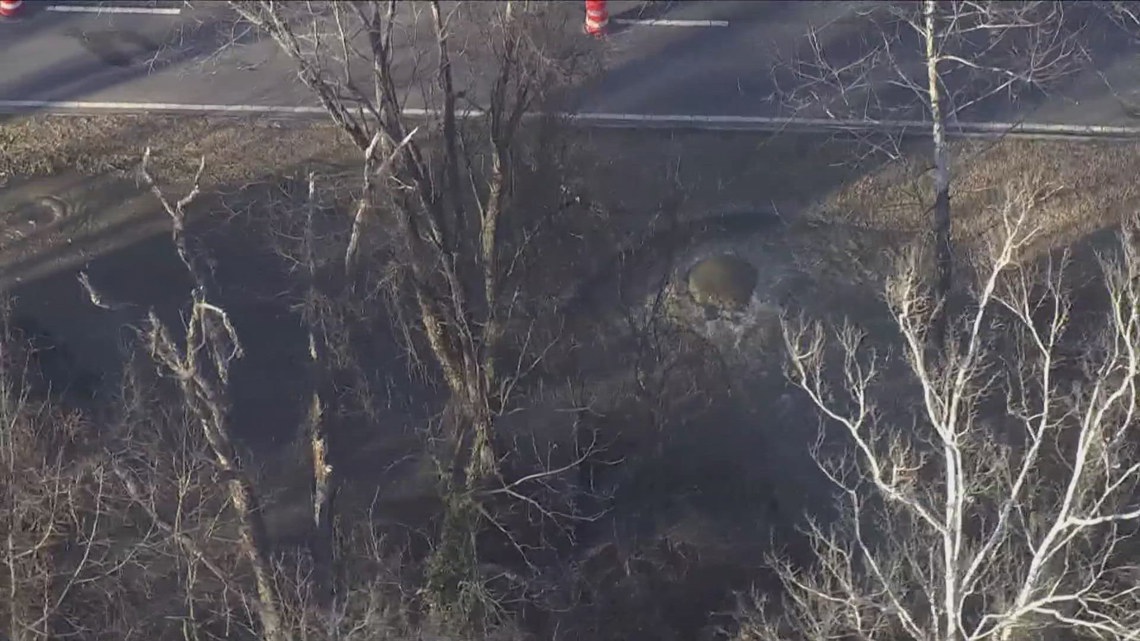
DC Water built a temporary bypass system after 72 inches of the 54-mile sewer line collapsed on the evening of Jan 19, causing sewage water to run into the Potomac River.
On Sunday, the company said that in the first full day of operation since the bypass was activated, the flow of wastewater increased by about 40 million gallons per day. Almost back to its normal 60 million gallons per day average. Despite this, some of the wastewater continues to escape around the break site.
While the bypass is operating, crews will begin excavation, inspection, and develop a long-term repair plan. It is unclear what the timeline of that will be.
While DC Water is working on ways to permanently fix the leak, the Potomac Riverkeeper Network (PRKN) released the results of its testing of the contaminated water from last week’s sewage spill. According to its report, the data shows a “far worse impact than originally contemplated.”
The president of PRKN, Betsy Nicholas, announced on Monday, “These measurements of E.coli bacteria show contamination which is nearly 12,000 times what authorities limit for human contact. And so far, almost 300 million gallons have entered the Potomac River. The long term impact cannot be overstated. We measured against the standards established by Virginia’s Department of Environmental Quality and Maryland’s Department of the Environment. We were able to get this information thanks to the real-time testing done on Friday, January 23 by Dean Naujoks, Potomac Riverkeeper, and Evan Quinter, PRKN Volunteer Coordinator on Friday.”
Naujoks said “Infrastructure failure is at the root of this disaster – the six foot diameter sewage interceptor pipe located this close to the river should have been better maintained in order to avoid this catastrophe.”
When asked about the data, DC Water released a statement,
“Impacts to water quality are not unexpected given the volume of overflows that resulted from the unanticipated collapse of a 72-inch diameter section of the Potomac Interceptor sewer line in C&O Canal National Historic Park. Containing the overflows and repairing the damaged pipe are the most effective ways to mitigate these impacts.
On the evening of Saturday, January 24, DC Water activated a bypass, using an isolated section of the canal, to reroute wastewater around the collapse and return it to the sewer system. Work continues to completely contain the overflows and prevent any additional wastewater from reaching the Potomac River. DC Water anticipates water quality will be restored once the overflows are contained.
Since the collapse was discovered on Monday, January 19, DC Water has been working closely with federal, state and local partners, including the U.S. Environmental Protection Agency (EPA), National Park Service, U.S. Coast Guard, Washington Aqueduct, District Department of Energy and Environment (DOEE), DC Homeland Security and Emergency Management Agency, Maryland Department of the Environment, and the Montgomery County, Fairfax County and Loudoun County governments. Together, we are coordinating efforts to contain the overflow, monitor and assess environmental impacts, and keep the public informed.
DC Water has allocated $625 million in its Capital Improvement Program for projects to rehabilitate the Potomac Interceptor over the next 10 years.”