

Contributing to research that can help with planetary defense against near-Earth asteroids may seem like the exclusive domain of professional astronomers wielding colossal telescopes, but Unistellar’s citizen science program has brought it within distance of skywatching hobbyists with the use of their range of increasingly popular smart telescopes.
I spoke with Franck Marchis, Chief Scientific Officer at Unistellar and Senior Astronomer at the SETI (Search for Extra-Terrestrial Intelligence) Institute, about standouts from the citizen science network, how people can get involved and what the future holds.
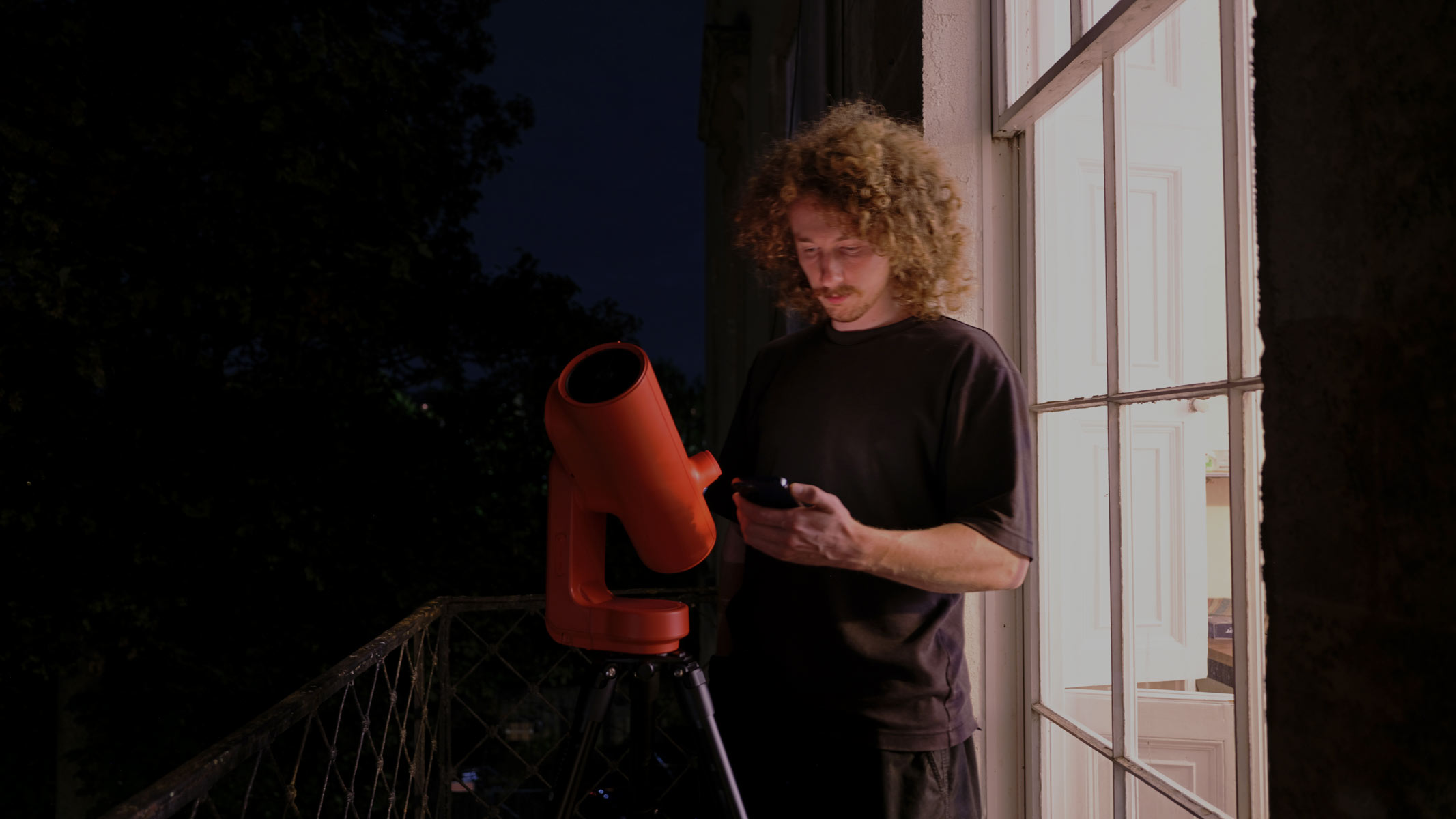
Stargazers who own any of Unistellar’s smart telescopes, whether that be the Odyssey, eQuinox 2 or eVscope 2, can engage in observational astronomy in partnership with the SETI Institute. It isn’t just planetary defense that you can help contribute to, either, with a whole range of events available to record, including asteroid occultations, exoplanet transits and satellite tracking. Don’t have a smart telescope? No problem, you can still take part outside of Unistellar’s program with a regular telescope.
You may like
(Image credit: Harry Bennett / Future)
This distributed network of citizen scientists benefits both sides, with everyday people getting a chance to contribute to professional astronomy and professional astronomers getting access to more data that enhances their current studies.
Take part with one of Unistellar’s smart telescopes
Inspired by the distributed computing models seen in projects like SETI@home, Dr. Marchis recognized the potential in a distributed network for astronomy to provide directional, real-time observations that professional astronomers needed. Big observatories are oversubscribed, limited by geography and have a huge operational cost, so by encouraging global users to contribute with their telescopes, Unistellar is turning individual observations into usable scientific data.
Research on the Unistellar Network
(Image credit: Getty Images)
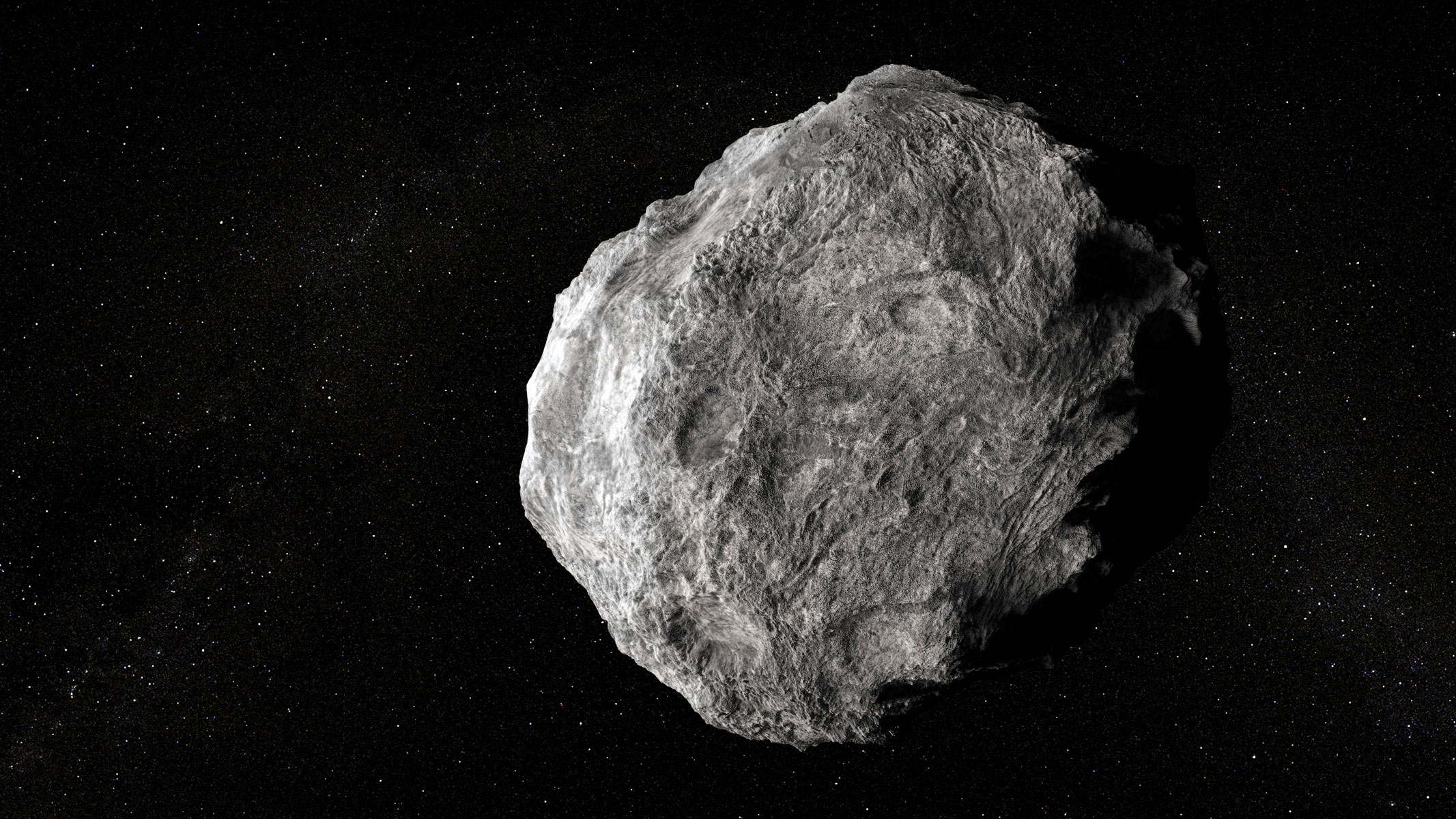
The most exciting areas of research for Unistellar citizen science currently include the study of comet morphology and the detection of disrupting exoplanets as they transit distant stars. However, planetary defense stands out as a critical area where citizen scientists make a direct and tangible impact. One of the most significant scientific discoveries contributed by a Unistellar citizen astronomer involved NASA’s Double Asteroid Redirection Test (DART) mission.
Dr. Marchis recalled the “disbelief at observing it” as the Unistellar network provided crucial observations of the impact with an active telescope in South Africa, delivering data that was later published and confirmed the asteroid’s deflection.
Image 1 of 4
 (Image credit: Claudio Vantaggiato, shot with a Unistellar telescope)
 (Image credit: Nick Lee, shot with a Unistellar telescope)
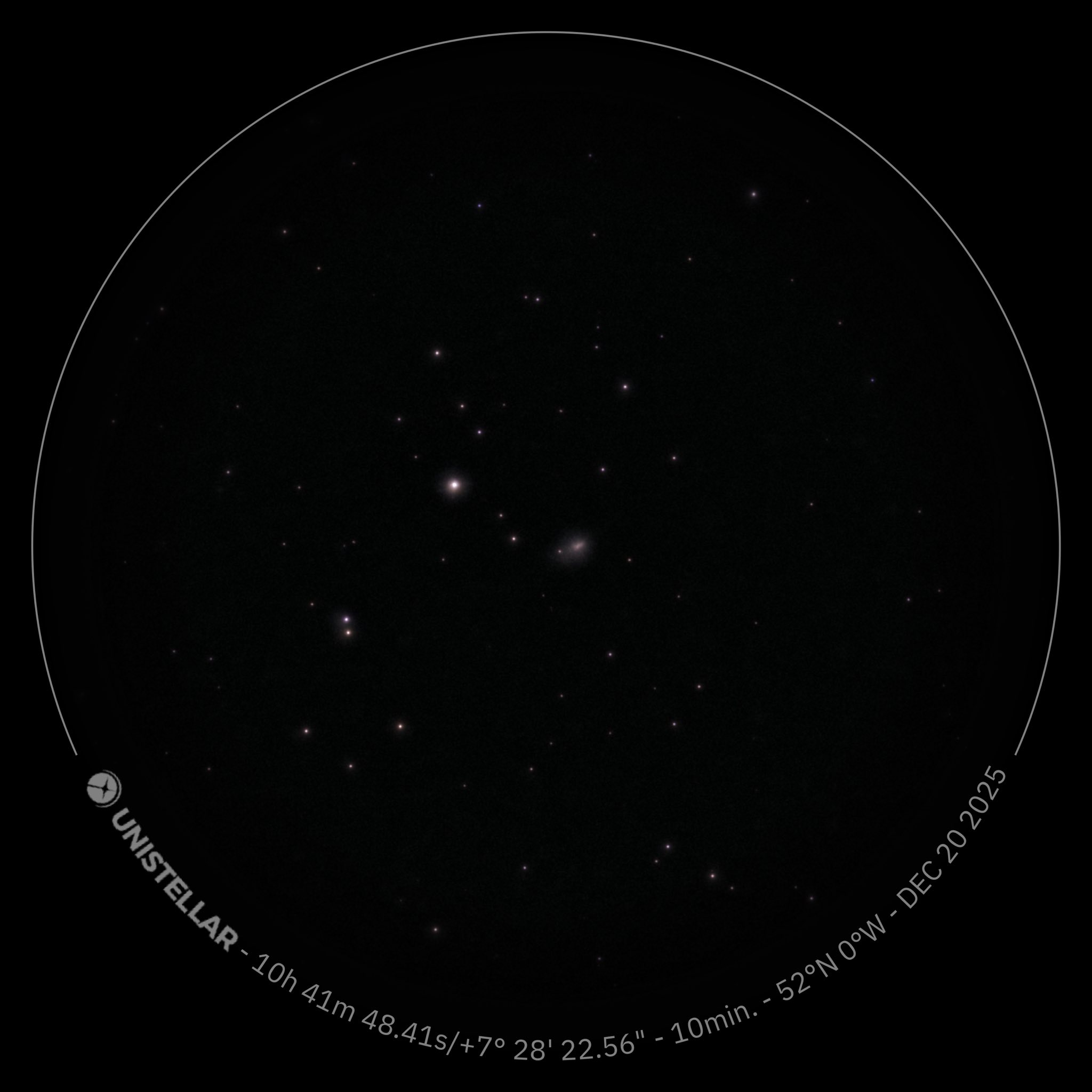 (Image credit: Nick Lee, shot with a Unistellar telescope)
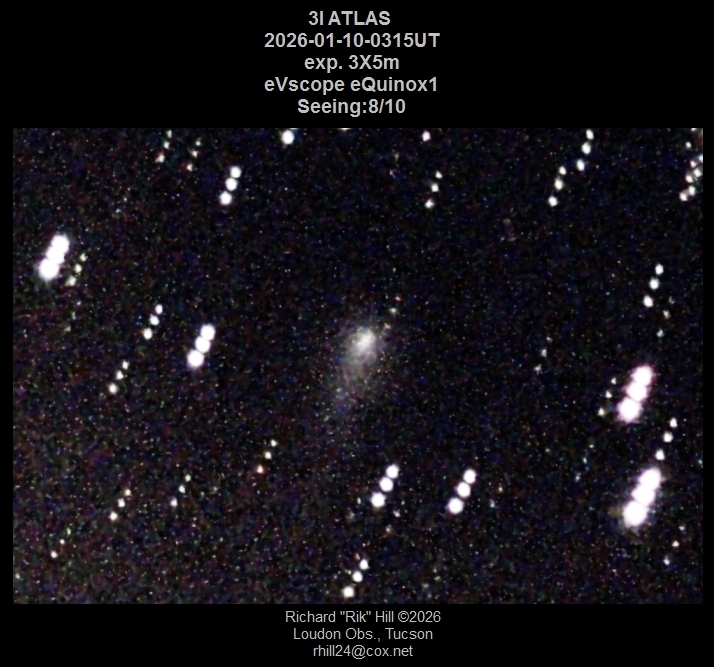 (Image credit: Richard Hill, shot with a Unistellar telescope)
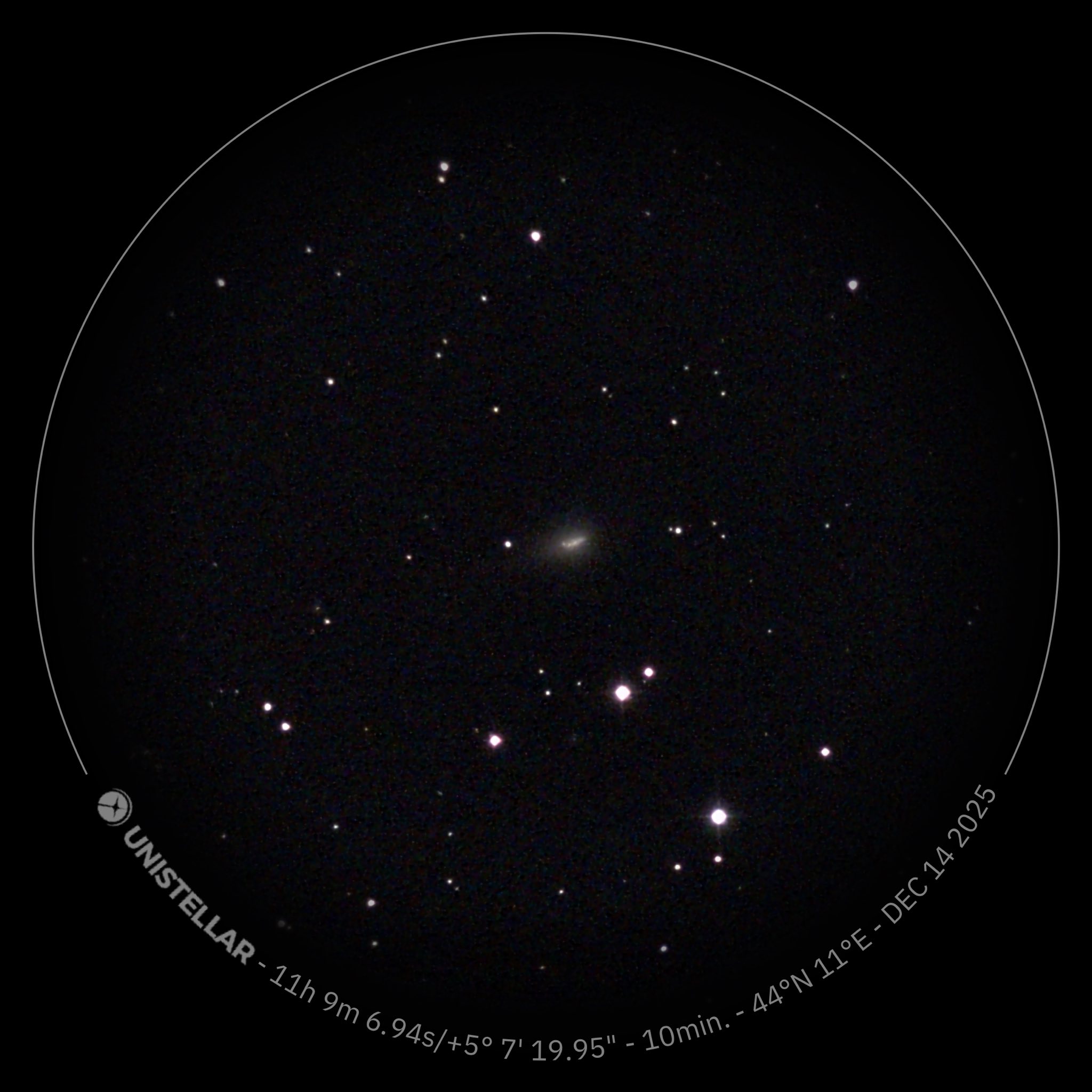
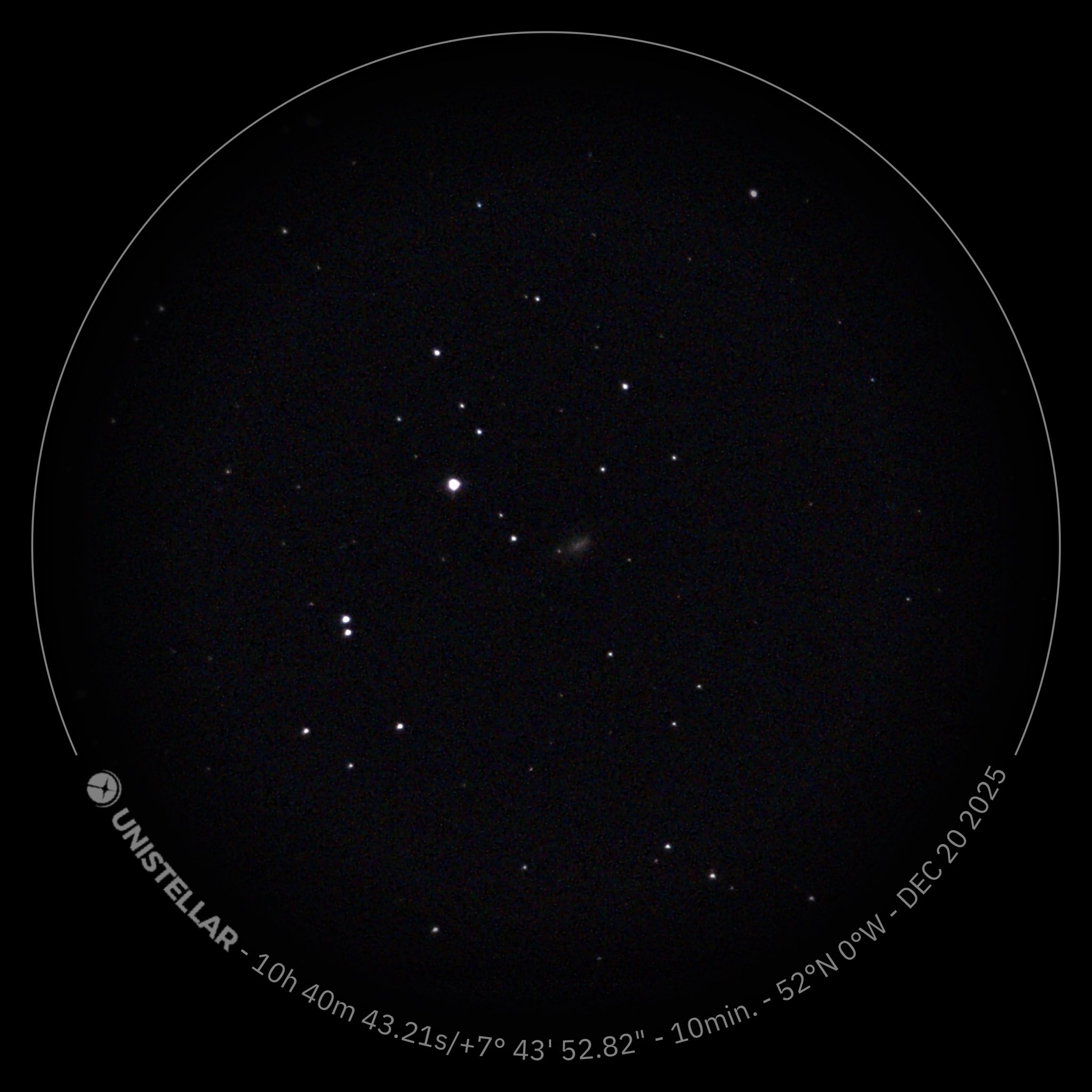
Another key area citizen science is helping with is observation and characterization of interstellar objects like the comet 3I/Atlas, where an observation from a citizen astronomer allowed Comet Lead scientist Dr. Ariel Graykowski to measure the comet’s brightness at 17.8 magnitude. In fact, Unistellar’s Citizen Science Network has recently revealed photos captured by members of the public of the comet 3l/Atlas, which you can see below.
Getting Involved
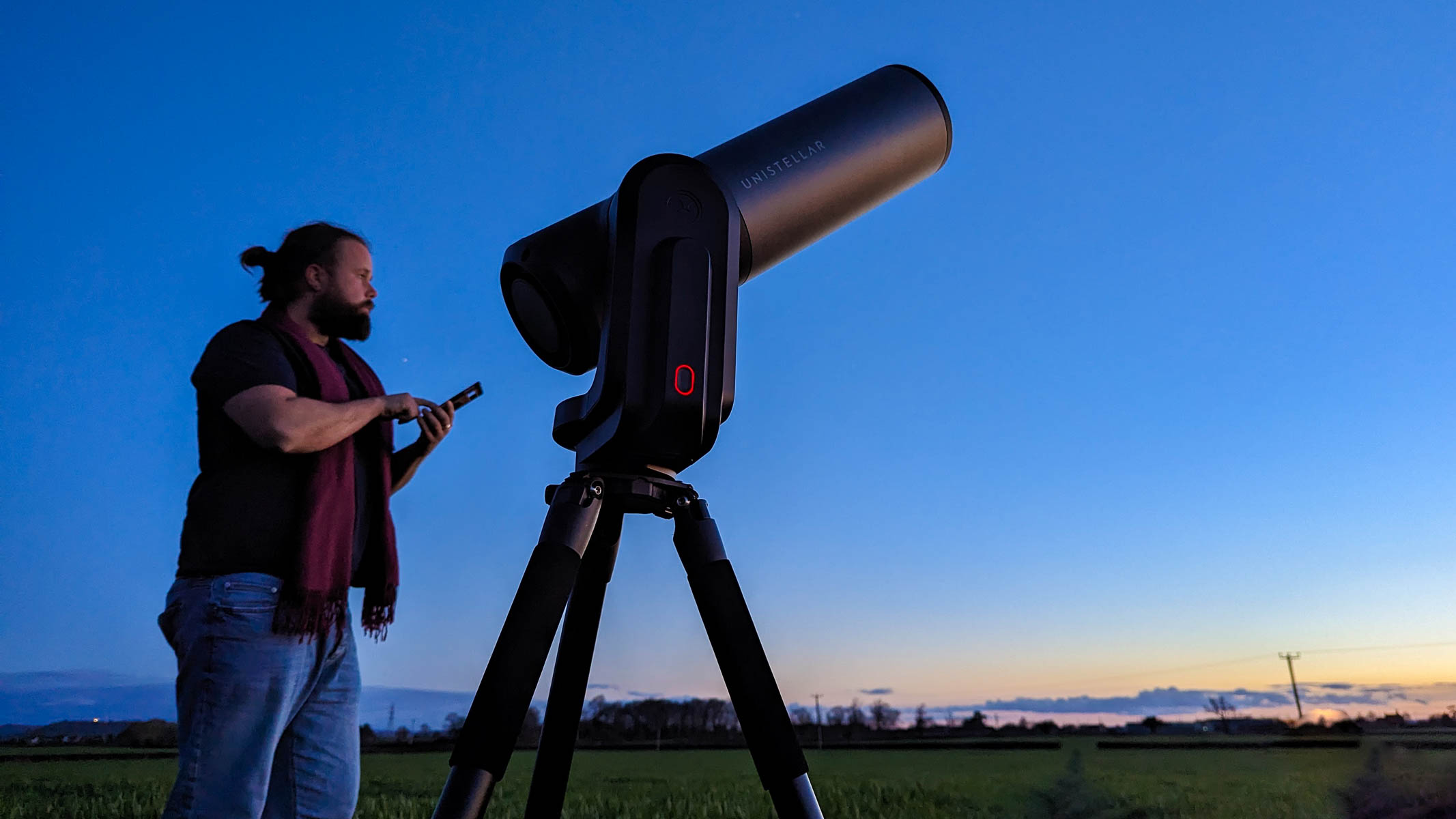
(Image credit: Jason Parnell-Brookes)Purchase a Unistellar smart telescopeMake an account on the citizen science programFind what events you can observe on the scientific events prediction pageChoose your chosen mission type on the Unistellar appInput the RA and DEC of your chosen observation and click GoToAfter observation, submit data to the program
Use any of the four current smart telescopes from Unistellar to get started
When someone purchases a Unistellar smart telescope, they don’t just get a tool for easy astrophotography and stargazing; they also have the choice to join a vibrant scientific community. After registering their telescope and creating an account on the Unistellar smartphone app, users gain access to a range of citizen science missions. These missions are categorized, with priority missions highlighted for urgent observations and a handy events predictor that predicts when and where celestial events are observable from an exact location, so you can prepare ahead of time.
After picking the observation you want to make, you simply input the right ascension (RA) and declination (Dec) into the correct mission type under the science section of the Unistellar app and hit GoTo. After your observation has finished and the data is captured, users submit it through the app. For follow-ups, you will be invited to a Slack channel by the citizen science team, where observations are reported and discussed. The raw data is then sent to a professional database at the SETI Institute. If the data proves useful and can contribute to a scientific paper, citizen scientists receive acknowledgment and even authorship in some cases. The Unistellar network is not just about collecting astronomical data but about involving citizens in scientific research and empowering them to participate in discoveries.
(Image credit: Harry Bennett / Future)
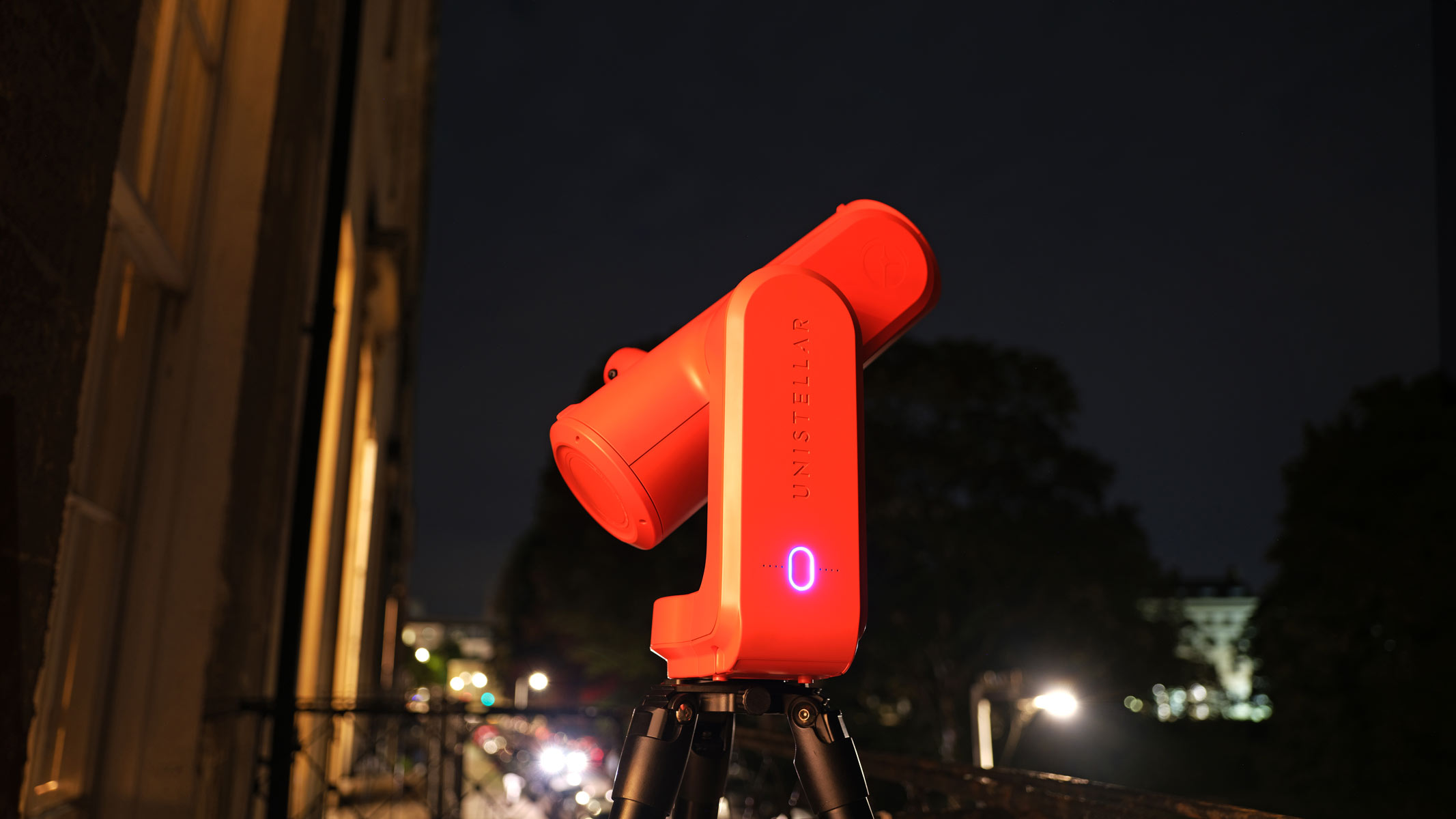
All of the Unistellar telescopes can be used for citizen science observations and while the expert models (eVscope 2 and eQuinox 2) offer a sensitivity advantage for asteroid and exoplanet detection, sky quality remains a crucial factor. Even urban observers can make significant contributions depending on the darkness and atmospheric conditions in their local area.
While publication is a major milestone for a citizen scientist, Unistellar ensures tangible feedback and recognition in the entire process. This includes direct assistance with observations by making users aware of possible data anomalies from vibrations and guidance on setting up their telescope correctly, by making sure they collimate and thermalize before observing. Collimation is the adjustment of mirrors within a telescope to make sure that the optics are aligned, and thermalization is the process of allowing your telescope to reach the same temperature as the outside air to avoid optical irregularities.
The Future of the Network

(Image credit: Getty Images)
Looking forward, the future of smart telescopes and the Unistellar network is incredibly exciting. The next step for the Unistellar Network involves a partnership with a new company called Skymapper, which aims to democratize space exploration by combining smart telescopes with Web3 technology and allowing devices to work as points in a larger network, verifying observations and collecting rewards through tokenization. Tokenization could see citizen scientists earning points to start their own astronomy projects within the network and focus on topics they are passionate about. This approach envisions a future where the network of citizen telescopes not only provides added value to big observatories but also creates an ecosystem for astronomical discovery and makes every individual observer a part of space exploration.