
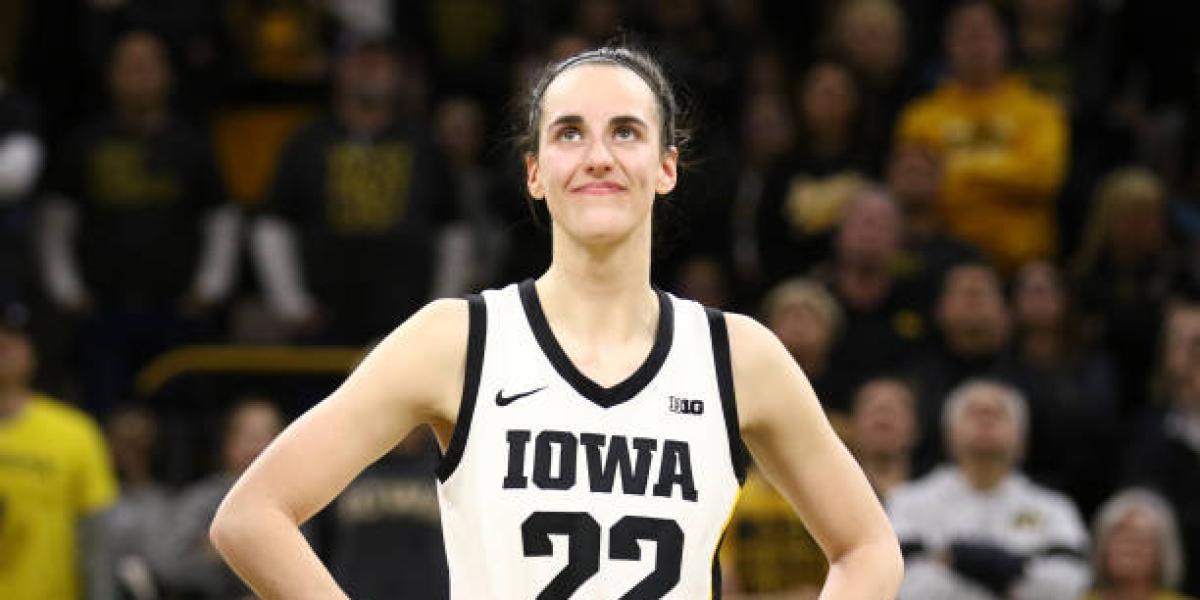
Iowa Women’s basketball is already feeling the absence of Caitlin Clark. The University of Iowa women’s program where the WNBA star built her collegiate legacy has taken a noticeable hit since her move to the professional ranks.
Following her departure in 2024, ticket revenue dropped by as much as 57%, falling from $3.2 million to $2.3 million.
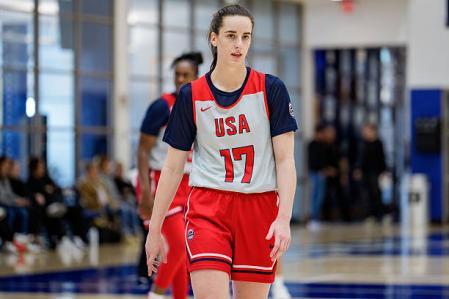
Caitlin Clark
Getty Images
The 2024–25 season also closed with a sharp decline in matchday income, which fell 40% year over year, from $858,000 to $511,000.
Royalties and membership-related revenue followed the same downward trend, slipping 21% from $470,000 to $370,000.
Clark’s rise during her college career had a dramatic financial impact on the program.
In 2022, her sophomore season generated $767,000 in ticket sales. That figure nearly doubled to $1.4 million in her junior year, before surging to $3.2 million in her final season, surpassing the revenue generated by Iowa’s men’s basketball team.
Her last year in Iowa City also aligned with peak on-court success. Clark was named the nation’s top college basketball player for a second straight season, and Iowa reached the NCAA Tournament final, where it ultimately fell to top seed South Carolina.
The drop in revenue has been mirrored by reduced spending. Program expenses declined from $10.3 million to $8.5 million, a decrease of 17.6%. A comparable scenario unfolded in college football when Deion Sanders left Jackson State to pursue opportunities in the NFL, triggering a drop in ticket sales from $3.2 million to $2 million.
At the professional level, the WNBA is navigating a period of uncertainty as negotiations continue between the league and the Women’s National Basketball Players Association (WNBPA).
Talks over a new collective bargaining agreement have stretched beyond a year without a final resolution. Three extensions have already been granted, with the possibility of a players’ strike or an owners’ lockout increasingly hovering over the league.