
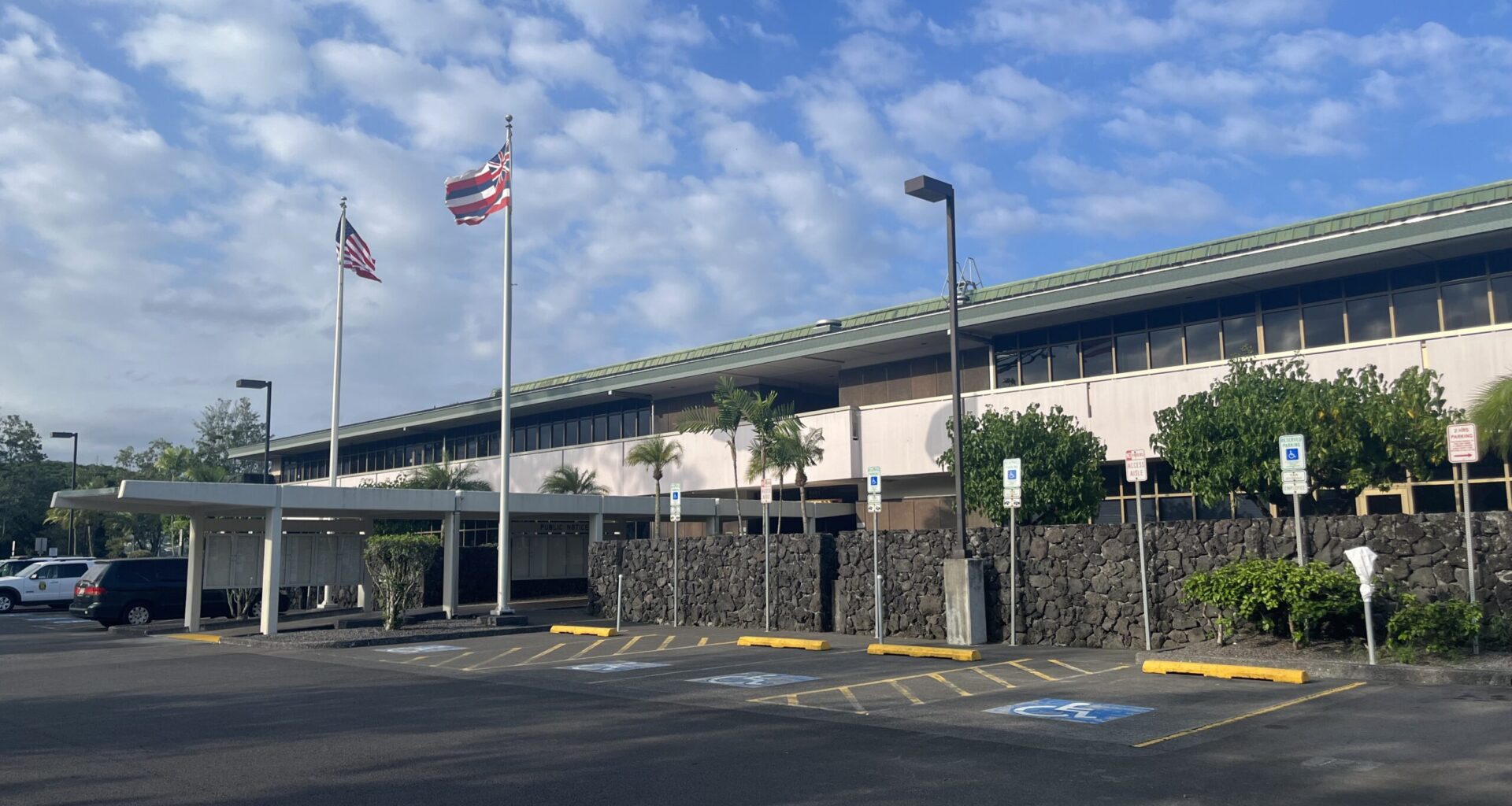
Hawai‘i County’s two planning commissions had to cancel more than a third of their regular meetings last year after failing to have the minimum number of members present, resulting in monthslong delays for some projects.
Part of the problem is persistent vacancies on the seven-member Windward and Leeward commissions, which altogether had to cancel nine of their monthly meetings in 2025. But the bigger issue has been frequent absences, prompting commissioners to propose stricter attendance rules to improve their chances of having at least four members show up to make quorum so they can conduct business.
While some members support efforts to establish consequences for not attending the meetings, others underscore that they are all just volunteers and encounter unexpected conflicts of time.
 The Windward Planning Commission was unable to make quorum in May so had to cancel the meeting at the last minute. The Windward commission had to cancel at least three meetings last year, and the Leeward commission canceled half of its meetings in 2025. (Screenshot/Hawai‘i County/2025)
The planning commissions are in charge of making decisions on land use, granting special management area permits including for sensitive shoreline areas, vetting major bills for the County Council and making recommendations on the island’s general plans — the guiding documents for development.
In the past year, the commissions have taken up everything from applications to build homes along the Kona coast and allowing bed-and-breakfast operations on agricultural land in Hilo to recommending the approval of special permits for commercial parking lots and hearing a petition for a contested case over a permit to allow a multi-day festival with overnight camping for up to 500 attendees.
Ensuring attendance is necessary, outgoing Windward Commissioner Wayne De Luz said, because the commissions must decide on an agenda item within a given timeframe or else applications are automatically approved, according to commission rules. De Luz’ five-year term ended last month, but he’s allowed to attend up to three more meetings while a replacement is sought.
So far, projects seem to have only been delayed by the absences. Scott Church and John Totah, for example, were on the Leeward commission’s August agenda to build a two-story home with a pool on a 15,000-square-foot shoreline property in a special management area in North Kona. The commission, however, had gotten backed up with agenda items over the summer after canceling two meetings in a row. Church and Totah’s request was finally approved in November.
The Leeward commission failed to meet quorum for six of its 12 regular meetings in 2025. It has already canceled its January and February meetings this year. Most meetings had at least one member absent.
Leeward Commissioner Clement “CJ” Kanuha III, who represents North Kona, missed six meetings last year, which he said was due to medical complications from Covid-19. But he told Civil Beat he’s in favor of attendance standards and has seen commissioners fail to show up with little excuse.
“When you sign up for this, you should be there, plain and simple, unless you have something really bad going on,” Kanuha said.
Leeward Planning Commission Chair Dean Au, who also served two terms on the Windward commission, said in a joint meeting last month that canceled meetings were unfair to the community. Other members lamented how this can make agendas too hefty when they do finally meet.
Windward Planning Commissioner JoNelle Fukushima said she supported encouragement over punishment to boost attendance, saying at the meeting that positive reinforcement, such as thanking members for their attendance, is more effective than threats of removal, according to the Dec. 9 meeting minutes.
“It’s frustrating, not only for (applicants) but also for the department,” De Luz told Civil Beat. Canceled meetings cause delays, he said, in an already lengthy approval process.
Filling The Seats
The commission is looking to other counties for examples of ways to enforce attendance.
One jurisdiction is Maui County. If a member misses more than 50% of meetings within a 120-day period, the chair has to ask the mayor to recommend the county council remove that member. Maui recently launched an online application for its boards and commissions. Hawaiʻi County still requires applicants to email, fax or drop off forms in person.
But other members said the issue is complex, as members are volunteers and many have jobs on top of the commission. A punitive policy, Louis Daniele III said in the joint meeting, would also make retaining members all the more difficult.
During De Luz’s time as a member, he said, the Windward commission was never full. With his departure in December, Windward has two empty seats. But the difficulty of recruiting members falls on the mayor’s office, he said.
On Jan. 15, Mayor Kimo Alameda nominated Kanoe Suganuma Wilson for a Windward seat and Shawn “Kele” Makaiau for a Leeward seat. If the council confirms them, both commissions would still be one member short. A council committee is set to review the nominees Tuesday.
The council has rejected nominees in the past who would have made great commissioners, Kanuha said. He said politics can often leave a void on the commission for months.
Having a full commission, he said, would allow unavoidable absences without losing quorum.
Touch Points
The Leeward and Windward planning commissions are just two of many boards and commissions that have vacant seats. Some haven’t met in years. The issue runs statewide.
Roughly two-thirds of all the boards and commissions listed on Hawaiʻi County’s website have at least one vacancy. Some are listed as inactive.
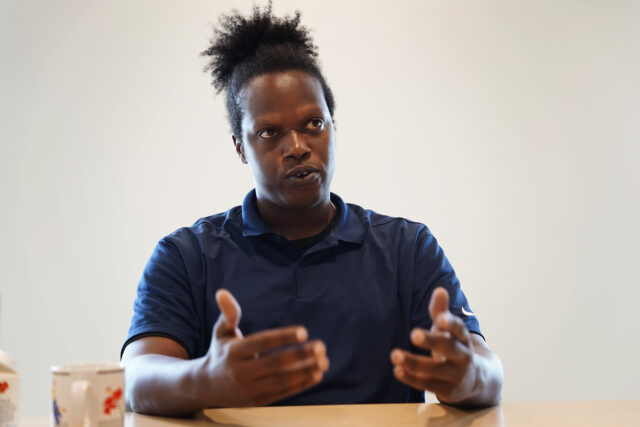 Common Cause Hawaiʻi Director Camron Hurt says the public’s first touch point to weigh in on pending policy issues is often with county boards and commissions. (Kevin Fujii/Civil Beat/2025)
These groups are critical, Common Cause Hawaiʻi State Director Camron Hurt said. Government becomes slower, less effective and less representative, he said, without boards and commissions.
“In some cases, they are the first touch point for the general public to get in on a policy issue and give their feedback,” he told Civil Beat.
Creating an attendance standard for the planning commissions and finding a better way to recruit members, De Luz said, would help all the commissions and boards by setting an example.
Attendance standards are necessary, Hurt said, and so is ensuring board and commission seats are full. That responsibility falls on the county and mayor’s office. “It’s quite literally in their job description,” he said.
A decision on the Leeward and Windward planning commissions’ attendance rules was postponed until their next joint hearing. That date has yet to be determined.

Sign up for our FREE morning newsletter and face each day more informed.
Sign Up
Sorry. That’s an invalid e-mail.
Thanks! We’ll send you a confirmation e-mail shortly.