
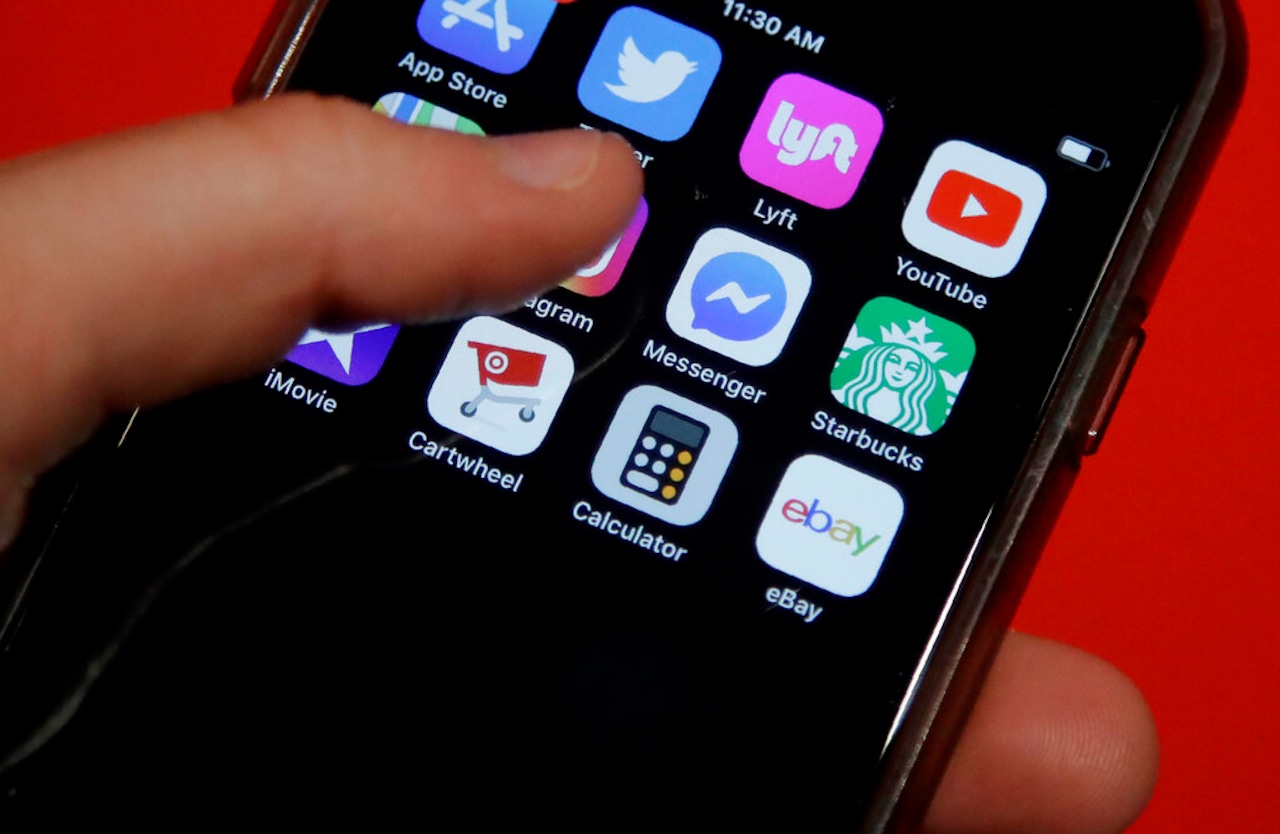
As states across the country race to rein in children’s online exposure, Alabama lawmakers are weighing a bill that would require age verification and parental consent for app downloads.
The proposal’s supporters frame HB161 as a safeguard for kids, and protection for parents worried about what their children might encounter on smart phones, tablets and laptops.
“It gives parents the right to choose if an app can be downloaded to their cell,” said state Rep. Chris Sells, R-Greenville, sponsor of the bill in the Alabama House where it was approved earlier this month, where it advanced. The legislation was debated and advanced out of a Senate committee on Wednesday.
Critics question the legislation as unenforceable, while at least one senator wondered what the legislation actually tries to do.
“I don’t like the sound good, feel-good bills if it cannot truly be enforced as well to make sure the children are protected,” said State Sen. Vivian Figures, D‑Mobile, who questioned how HB161 would prevent minors from inadvertently accessing age‑inappropriate apps on their phones.
She added, “What are the phone and device companies required to do?”
Age verification 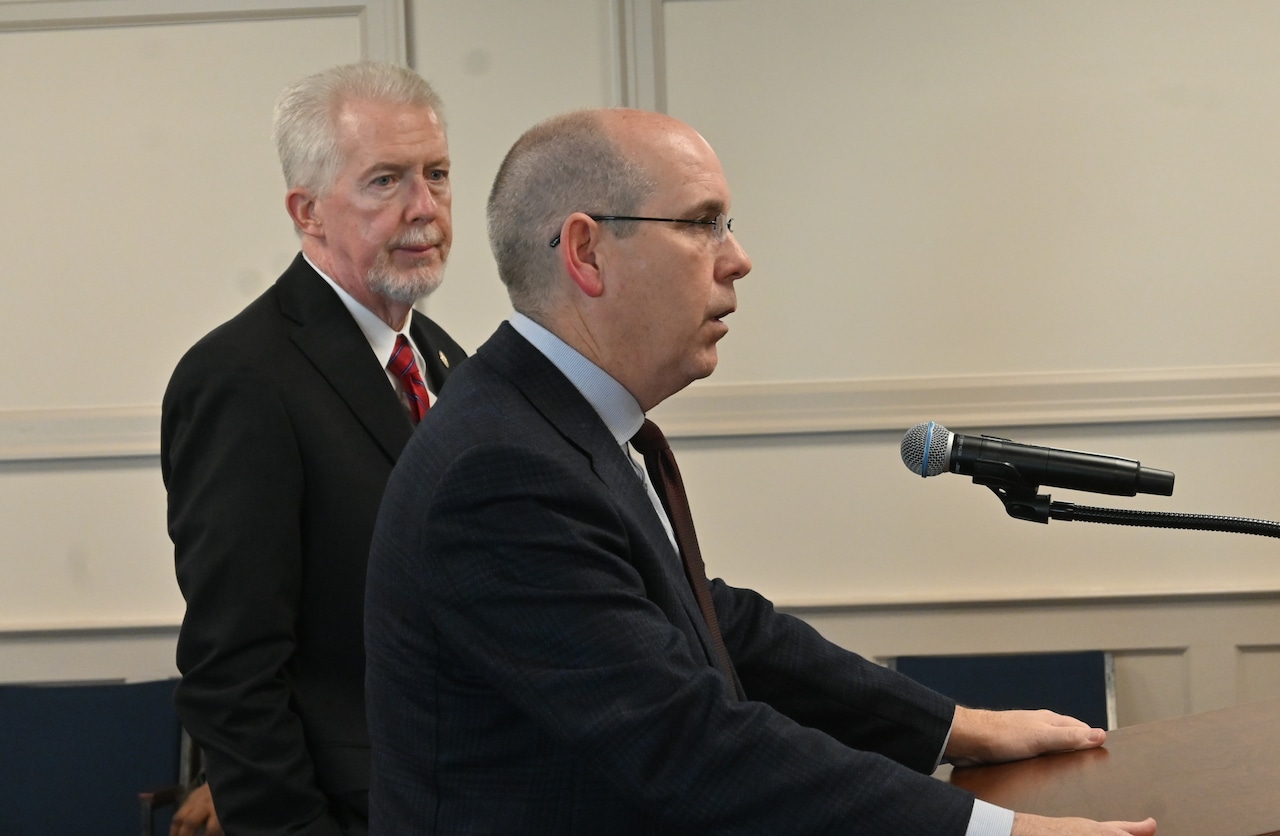 Alabama State Sen. Clyde Chambliss, R-Prattville, speaks before the Alabama Senate Children and Youth Health Committee on Wednesday, Jan. 28, 2026, at the State House in Montgomery, Ala. Standing next to him is Rep. Chris Sells, R-Greenville. The two are the House and Senate sponsors of legislation requiring app store providers to have age verifications for minors.John Sharp
The 14‑page bill — introduced last year but left on the table — would require app stores to verify every user’s age and obtain parental consent before anyone under 18 can download or purchase an app.
Under the proposal, app store providers must collect age information and verify it using commercially available tools or an approved age‑verification system. If the user is a minor, the account must be linked to a parent’s account, and parental permission must be granted before any app download or purchase. Parents could withdraw consent at any time.
The bill also requires app stores to notify users and parents when an app undergoes a major change and to obtain renewed parental consent before a child can access the updated version.
Enforcement would fall to the Alabama Attorney General’s Office, and violations by app store developers could be treated as deceptive trade practices.
Popular or unneeded
Supporters argue the measure simply puts parents back in control of their children’s digital lives.
Conservative groups including the Alabama Policy Institute and Eagle Forum of Alabama back the bill. API says the legislation is popular, referring to polling that it conducted showing 83% of Alabamians support the proposal.
“I’ve seen firsthand the devastating cases of kids being groomed and harmed and exploited and trafficked by apps (marketed) for children,” said Melea Stephens of the National Center on Sexual Exploitation and a Birmingham‑based marriage and family therapist. “They are told an app is safe for kids. But the rise of AI chatbots is causing devastating harm for Alabama families. And this bill will help those who are less tech savvy.”
The debate mirrors growing parental anxiety nationwide: a recent C.S. Mott Children’s Hospital poll found that around two-thirds of parents now view screen time, social media use and internet safety as major problems for children and teens.
Opponents counter that the legislation may not accomplish anything beyond what major tech companies like Apple and Google already do. They also warn that Alabama could find itself in the same legal fight now unfolding in Texas, one of four states with similar laws.
A federal lawsuit in Texas argues that the App Store Accountability Act violates the First Amendment, the Commerce Clause, and fundamental privacy rights. Alabama’s bill carries the same name as the Texas law, which took effect Jan. 1.
Supporters like Stephens insist the Alabama version can withstand scrutiny.
“We’re confident that the issue raised in Texas will be overturned and it will be able to go forward, and that is the general consensus from the constitutional attorneys we’ve spoken to about this,” she said.
But critics such as John Tamny, founder and president of the Parkview Institute — a Maryland nonprofit focused on free‑market principles — say the bill is unnecessary and invites costly litigation.
“Does anyone seriously think legislators are ahead of Apple and Google in protecting parents?” Tamny said. “If you buy a phone for your child, and you set up their phone, they ask for an age range at which point, a message is sent to parents first.”
Parents can control screen time, monitor when children watch screens, set homework hours and manage usage at school. ”Parents have full control over that,” Tamny said.
He added, “if the kid sends out a nude photo, it’s automatically blurred. These companies are going out of their way to protect parents. So we’ll have legislation to do what?”
Next steps
Figures urged that the bill be revised before reaching the Senate floor, saying concerns from opponents should be addressed. But the bill’s Senate sponsor, Sen. Clyde Chambliss, R‑Prattville, accused critics of trying to kill the measure, though he said he would work with Figures on her issues.
“The question we have is do we sit back and say, will they handle it or will we do our jobs to try and protect families,” Chambliss said, referring to the debate over whether private tech companies can be trusted to police minors’ app usage without legislative intervention.
“We have laws against murder, too, but that doesn’t stop all murder,” Chambliss said. “This law will stop some. Will it stop every single thing? Probably not. But the accidental exposure to unfiltered devices has wreaked havoc in our state.”
The bill follows legislation passed last year requiring smartphones and tablets sold in Alabama to include a preinstalled filter blocking sexually explicit material when a minor activates the device. Chambliss and Sells also sponsored that measure.
With Congress arguably slow to act — though an app accountability act has been introduced — state legislatures have increasingly taken the lead on regulating minors’ online activity. Last year, about a dozen states considered similar proposals. Texas, Utah, Louisiana, and California are the states that adopted versions of app store accountability laws.
On Capitol Hill, U.S. Sen. Katie Britt is among the cosponsors of the Kids Online Safety and Privacy Act, aimed at strengthening protections for children on social media and holding platforms accountable.