
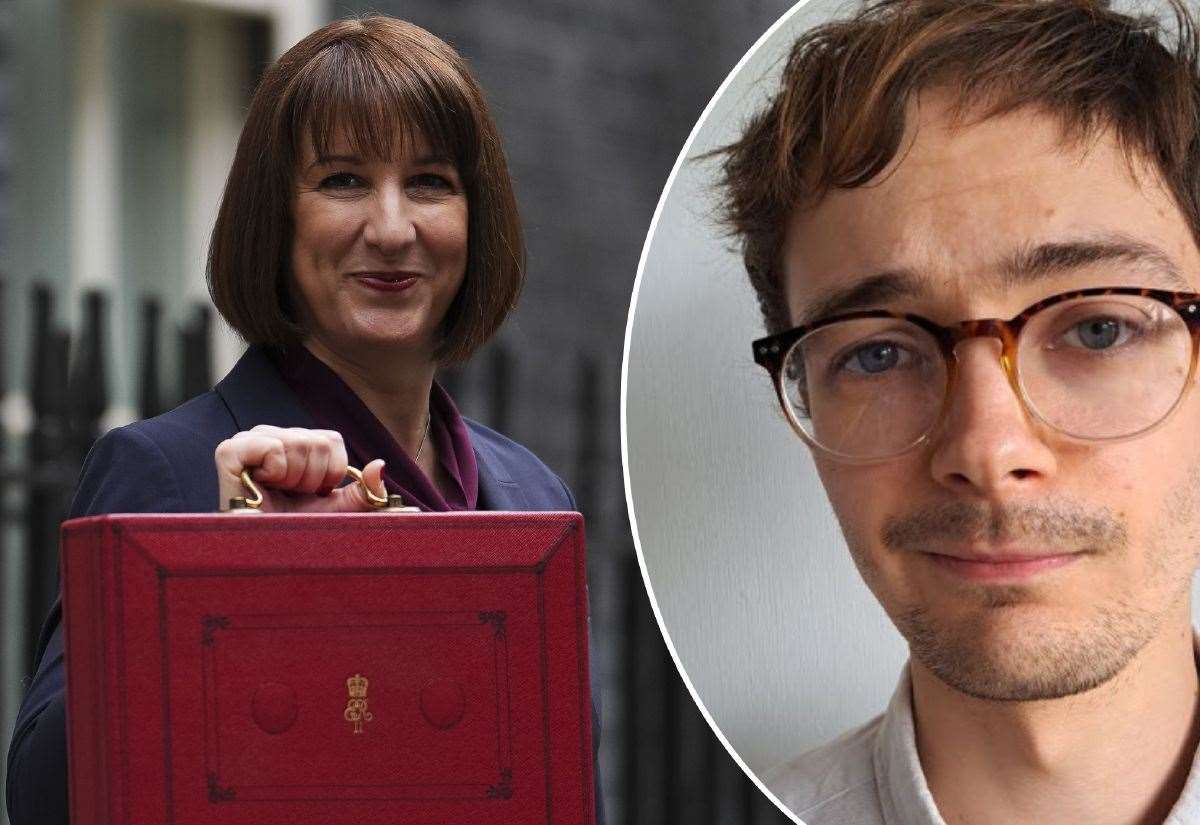
Since taking office in July 2024, Chancellor Rachel Reeves has been scratching around here and there for extra cash for the public coffers.
Plans to scrap the winter fuel allowance for pensioners became a complete circus in a bid to save £1.5 billion before being reversed. Changes to inheritance tax rates for family farms have bedevilled the government since they were proposed, and have ended up watered down anyway.
 Chancellor Rachel Reeves. Picture: Jordan Pettitt/PA
Long have I sat on a policy proposal to conjure up some spare change for the state at low political cost, and in this time of need, I offer it to anyone who will take it: the quack tax.
The UK’s ‘herbal medicine’ industry was estimated at about £257 million in 2024, and is projected to grow to £772m by 2035, according to Market Research Future.
Traditional Chinese Medicine – which seems to include everything from cupping and acupuncture to dried pangolin scales – is a growing industry, with 18% of the global market being in the UK, according to Cognitive Market Research.
Products of the natural world, from a cup of tea to the ayahuasca vine or the dreamfish, can exhibit effects on people, but they clearly are not a substitute for real medicine, and nor are bear bile, saiga horns, dried seahorses or any of the other purported panaceas of traditional medicine from China or elsewhere.
These practices share a neighbourhood with homeopathy – the idea that minuscule quantities of certain illness-inducing substances diluted in water can cure people suffering from said illness, created in 18th century Germany. A 2010 House of Commons report confirmed that this worked no better than a placebo, but the NHS continued to provide it in some capacity until 2017.
King Charles is a patron of the Faculty of Homeopathy. Picture: Mark Westley
Indeed, King Charles, a known enjoyer of things mystical and spiritual, is a patron of the Faculty of Homeopathy. Perhaps a King needs hobbies, but he would be better off focusing on those with some intellectual merit, like his study of Sufism.
Osteopathy and chiropractic, which by virtue of pertaining to bones rather than humours or chakras, have a veneer of reality to them, and make a more concerted attempt to seem scientific. Real universities even offer degrees in them and practitioners sometimes call themselves doctors by virtue of their study.
All of these things may make people feel slightly better on a day-to-day basis, perhaps, but they do not come anywhere close to the standards of proof needed to qualify as real medicine or treatment.
A small additional tax on the industry does not seem an oppressive measure, and might go some way towards discouraging its growth.
In an ideal world, these would be matters for civil society, but all the while we have governments which need to raise money, they have to make choices about where to get it and the woo-woo market seems a suitable candidate.
Kate Shemirani, whose son Gabriel has blamed her encouragement to avoid medical treatment for Paloma Shemirani’s death of cancer at 23. Picture: Neil Atkinson/Alamy/PA
Thankfully, one imagines that the number of people who forgo real hospital treatment for back-cracking or the bodily fluids of endangered species is low, but they clearly do exist.
Noel Edmonds, of Deal or No Deal fame, claimed on Twitter in 2016 that an ‘electromagnetic pulse pad’ could “tackle cancer” amongst other things, causing a considerable furore.
It is not far removed from the much more dangerous world of anti-medical conspiracy theories. In 2024, 23-year-old Paloma Shemirani died after refusing chemotherapy for cancer. Her twin brother, Gabriel, has publicly blamed the influence of their conspiracy-theorist mother for Paloma’s decision.
Scepticism of public health policy, and the extraordinary violations of civil liberties which have been justified in its name, should be encouraged.
Indeed, the overreach of the public health industry may go some way towards pushing people towards wholesale scepticism of scientific medicine, but this does not mean the government should shy away from quietly squeezing some money from the alternative medicine industry.
Dan Esson, Local Democracy Reporter
Such a tax doesn’t seem a massive expense of political capital or policymaking effort – just increase the VAT on those services. Would the public en masse ride out to defend these persecuted medicine men?
All the while there is demand for high street witch doctors, the state may as well make some extra money from them.