
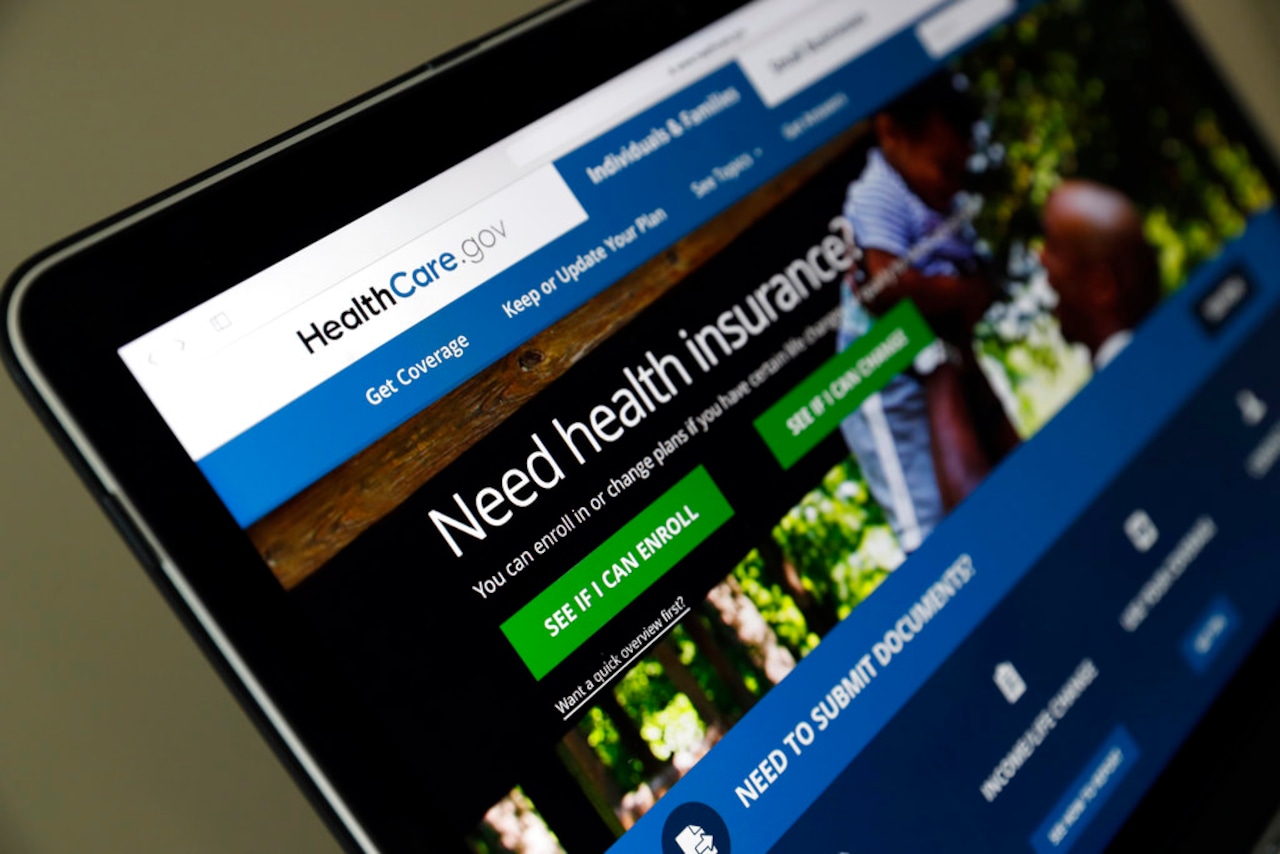
Just over 22,000 Alabamians no longer have health insurance through the Affordable Care Act marketplace this year, according to new data from the federal government.
“We’ve heard many heartbreaking stories of Alabamians who saw their health insurance costs soar to an amount they simply can’t afford after losing their premium tax credits,” said Debbie Smith, campaign director for Cover Alabama, a Medicaid-expansion advocacy group run by Alabama Arise.
“This enrollment drop shows that many people are being forced to make agonizing decisions about their health care.”
The drop comes just after enhanced tax credits that helped reduce the cost of getting health insurance expired on Dec. 31.
This year, 455,776 Alabamians enrolled in the marketplace compared to 477,838 last year, according to data released this week from the Centers for Medicare and Medicaid Services. That’s a decline of 4.6%.
Nationwide, 1.2 million Americans dropped their health insurance coverage through the Affordable Care Act marketplace. States like North Carolina and Ohio saw the biggest drop compared to last year, while New Mexico and Washington, DC reported jumps in enrollment.
The expired subsidies were first given to Affordable Care Act enrollees in 2021 as a temporary measure to help Americans get through the COVID-19 pandemic. Democrats in power at the time extended them, moving the expiration date to the start of 2026.
With the expanded subsidies, people with higher incomes became eligible for the marketplace and the credits were expanded to cover more costs for those who were previously eligible.
KFF, a health policy research nonprofit, estimated that about 130,000 people in Alabama could lose their coverage if the credits weren’t renewed, as premiums for individuals enrolled in the ACA marketplace were expected to rise by an average of 93% in the state.
Health insurance companies covering people enrolled in the Affordable Care Act marketplace said the increases, which were announced last year, were partly due to the uncertainty around the tax credits being renewed and the sicker population that could result if they’re not.
According to the Alabama Department of Insurance, Blue Cross Blue Shield reported a 19.3% premium increase, UnitedHealthcare Insurance Company reported a 20% increase and Celtic Insurance Company reported a 25% increase.
Experts warn the enrollment numbers released this week are preliminary and likely to change.
“Open enrollment data released to date are of people who have selected a plan, but enrollment is not complete and coverage does not actually take effect until they pay their first month’s premium,” a report from the faculty of the Georgetown University Center on Health Insurance Reforms said.
“Information on paid enrollment will not be available for several months, and is expected to show a decline, possibly meaningfully, from the number of plan selections.”
According to Smith, with Cover Alabama, the enhanced tax credits were used most in states like Alabama that haven’t expanded Medicaid.
Nearly 10% of the state’s population was enrolled in the marketplace last year.
In 2020, 160,429 Alabamians were signed up for subsidized health insurance through the Affordable Care Act. By 2025, that number reached 477,838 people, according to KFF.
And with the higher enrollment, the state’s uninsured population declined from about 12% in 2020 to 8.8% in 2022, according to the Public Affairs Research Council of Alabama and a United States Census Survey found.
“These enhanced credits have been crucial to lowering the amount of people that we have in the coverage gap,” said Smith. “Our uninsured rate is absolutely better because of these enhanced premium tax credits.”
She cautioned that it “will take months” to know the full impact of the tax credits expiring, noting that many people who did enroll chose plans that were more affordable but had poorer coverage.
“We are deeply concerned that many people had to change to lower-tier plans with higher deductibles and fewer benefits, while others had no choice but to drop their health coverage altogether because they simply no longer could afford it without the enhanced credits,” she said.
“This harm was entirely preventable,” she said, adding that Congress can still extend credits with a vote. Though that move likely wouldn’t reopen enrollment, subsidies could retroactively be applied to those enrolled.
The open enrollment period closed in Alabama on Jan. 15.