

 Midlife Women’s Health After 50: 5 Shifts That Actually Matter
By midlife, most women have learned a hard truth: your body doesn’t send polite memos before it changes. It just changes.
Energy dips. Joints complain. Sleep gets unpredictable. Weight responds differently to the same habits that once worked just fine. None of this means something is “wrong.” It means your body is asking for a different kind of attention.
Empowerment in midlife isn’t about chasing youth. It’s about understanding what your body needs now, and responding with clarity instead of frustration. That mindset shift is central to how we think about health at this stage of life, especially when you realize that your next 30 years start now.
Here are five health shifts that matter most for women over 50, and how to approach them in ways that support long-term strength and independence.
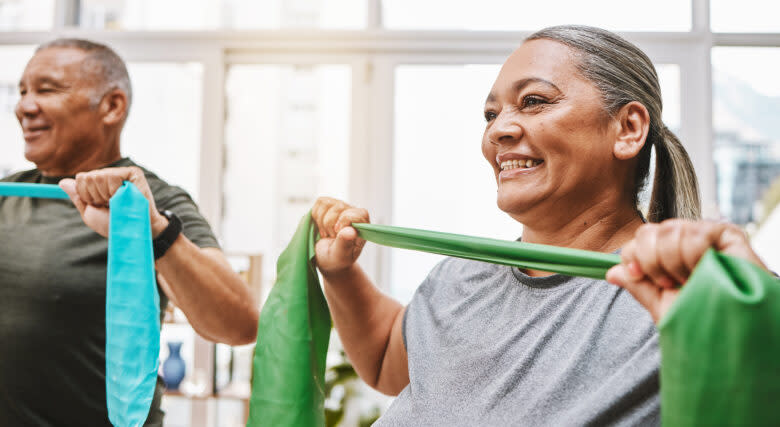
Image Credit: PeopleImages/iStock
1. Build Strength to Protect Your Future Self
Muscle loss accelerates with age, especially after menopause, and that loss affects far more than appearance. Strength supports balance, bone density, joint stability, and metabolic health.
The goal isn’t punishing workouts or starting over. It’s consistency. Two to three sessions a week focused on functional movements—squats, pulls, presses, and carries—can make a measurable difference in how you move and feel. This kind of functional approach is exactly what we mean by training for real life, not aesthetics.
National guidance supports this shift as well. The National Institute on Aging emphasizes that regular strength and balance exercises help older adults maintain independence and reduce injury risk as they age.
Strength training in midlife isn’t about intensity. It’s about staying capable.

Image Credit: shurkin_son / iStock.
2. Take Joint Pain Seriously—But Not Fearfully
Aches and stiffness are common after 50, but they’re not something you should automatically ignore or push through.
Joint discomfort often reflects:
Inflammation related to hormonal shifts.
Gentle mobility work, strength training, and recovery matter more now than ever. When pain lingers or limits daily movement, it’s worth seeking coordinated care rather than treating symptoms in isolation. Some women choose integrated care models, where movement, pain management, and metabolic health are addressed together under one roof, such as Core Medical & Wellness, rather than bouncing between disconnected appointments.
The goal isn’t perfection. It’s preserving movement and confidence in your body.

Image Credit: dragana991 /Istockphoto.
3. Pay Attention to Subtle Metabolic Changes
Midlife metabolism rarely announces itself loudly. It shows up quietly:
Weight shifting despite familiar routines.
Blood sugar creeping upward.
Energy crashes that weren’t there before.
Regular check-ins with your healthcare provider, especially around cholesterol, glucose, and thyroid function, can help you spot changes early. These markers aren’t judgments; they’re information.
Nutrition doesn’t need to be extreme to be effective. Protein matters more now. Fiber supports gut and metabolic health. And fueling consistently, rather than skipping meals, often stabilizes energy better than restriction.

Image Credit: yacobchuk / iStock.
4. Treat Sleep as Foundational, Not Optional
Sleep issues are one of the most common and least discussed challenges of midlife, especially during perimenopause and menopause.
Hot flashes, anxiety, joint pain, and shifting circadian rhythms can all interfere with rest. Instead of blaming yourself, focus on creating conditions that support sleep:
Consistent bedtime routines
Reduced evening stimulation
A cooler sleep environment
Strength training earlier in the day, not late at night
Sleep isn’t a luxury. It’s a cornerstone of hormonal balance, mental clarity, and immune health.

Image credit: Pressmaster/iStock
5. Don’t Overlook Preventive Care and Vaccination Timing
Preventive care often slips down the priority list in midlife, especially when women are busy caring for everyone else. But staying current on screenings and vaccinations plays a meaningful role in long-term health and resilience.
The CDC provides age-based guidance for adult vaccines, which can be especially important as immune response changes with age and certain health conditions become more common.
This isn’t about fear. It’s about reducing preventable risks so your energy can go toward living, not recovering.

Image Credit: JLco – Julia Amaral/istockphoto.
A Different Definition of Empowerment After 50
Empowerment in midlife doesn’t look like doing more. It looks like choosing better.
Better information. Better support. Better respect for what your body is carrying—and what it still wants to do.
The strongest women in midlife aren’t ignoring their needs or chasing someone else’s version of health. They’re listening closely, adjusting thoughtfully, and investing in the years ahead with intention.
That’s not giving up. That’s stepping into authority.
Related:
Like MediaFeed’s content? Be sure to follow us.
This article originally appeared on Kuellife.com and was syndicated by MediaFeed.org