
Last Updated:February 01, 2026, 16:51 IST
Budget share for ‘Aid to Countries’ has seen significant changes, reflecting the ‘Viksit Bharat’ agenda’s focus on fiscal prioritisation and evolving geopolitical sensitivities



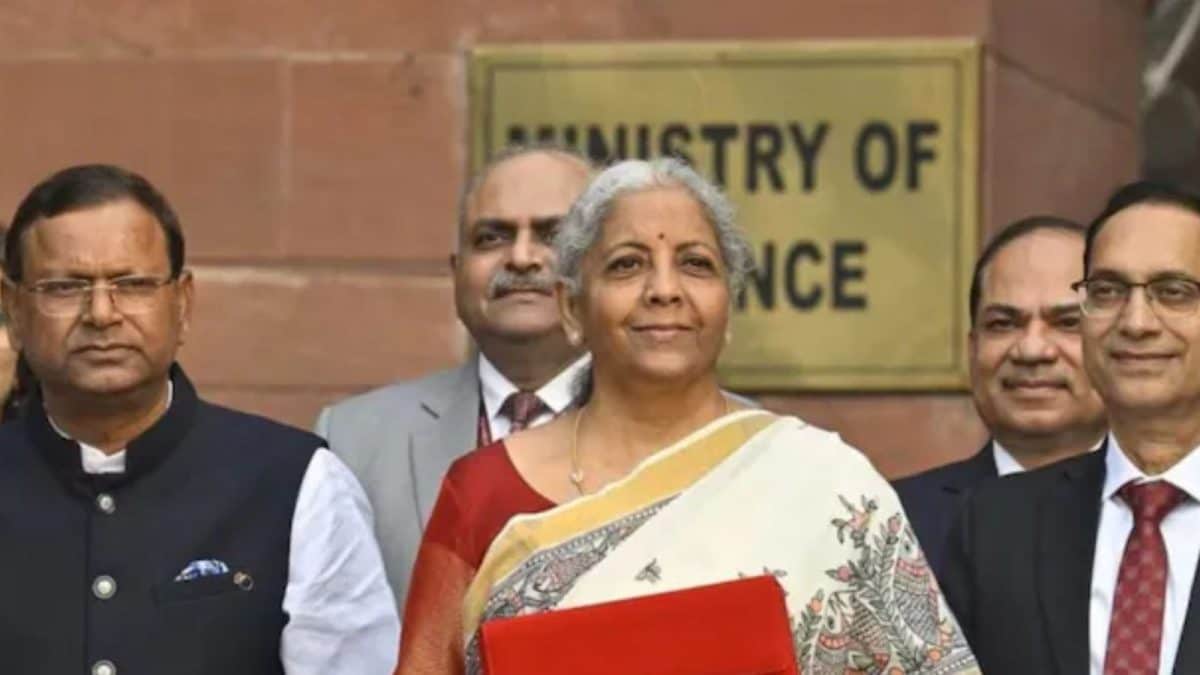
This ‘neighbourhood-first’ budget reflects a pragmatic India that is willing to consolidate its traditional alliances while exercising strategic caution in regions affected by shifting global sanctions and internal political volatility. File image
In the Union Budget 2026-27 presented on Sunday, India has unveiled a recalibrated framework for its overseas development assistance, marked by a decisive shift in strategic priorities. While the total outlay for the Ministry of External Affairs (MEA) has been nudged upwards to Rs 22,119 crore, the allocation for “Aid to Countries” has undergone significant pruning and redirection, reflecting the “Viksit Bharat” agenda’s focus on fiscal prioritisation and evolving geopolitical sensitivities.
The Chabahar Pause and US Sanctions
The most striking feature of the new budget is the complete omission of funding for the Chabahar port project in Iran. After consistent allocations in previous years—including Rs 400 crore in the 2025-26 Revised Estimates—the funding has dropped to zero. This decision comes despite the landmark 10-year agreement signed in 2024 for India to operate the Shahid Beheshti terminal.
Analysts suggest this withdrawal is a precautionary response to the renewed geopolitical friction involving the United States. With the Trump administration recently announcing a 25 per cent tariff on nations trading with Tehran and the scheduled expiry of India’s current sanctions waiver on April 26, 2026, New Delhi appears to be hitting the pause button on fresh financial commitments to the Iranian connectivity hub.
Recalibrating the Neighbourhood
In South Asia, the budget highlights a widening divergence in bilateral engagements. Bangladesh has seen its aid halved from Rs 120 crore to Rs 60 crore. This reduction follows a period of strained relations under the interim government in Dhaka and reported challenges in project execution. In contrast, other neighbours have seen substantial increases:
Bhutan: Remains the primary beneficiary, with aid rising by 6 per cent to Rs 2,289 crore for hydropower and infrastructure.
Nepal: Receives a 14 per cent boost to Rs 800 crore, reinforcing India’s commitment to regional connectivity.
Sri Lanka: Aid has been increased by one-third to Rs 400 crore to assist in its long-term economic recovery.
Strategic Continuity and Humanitarian Outlays
Despite the political complexity in Kabul, assistance to Afghanistan has been held steady at Rs 150 crore, primarily earmarked for humanitarian relief and the completion of ongoing community projects. Meanwhile, in the Indian Ocean, a calibrated balance is visible; aid to the Maldives was reduced by 8 per cent to Rs 550 crore, while assistance to Mauritius was increased by 10 per cent to match that same figure.
This “neighbourhood-first” budget reflects a pragmatic India that is willing to consolidate its traditional alliances while exercising strategic caution in regions affected by shifting global sanctions and internal political volatility.
Handpicked stories, in your inbox
A newsletter with the best of our journalism
submit
First Published:
February 01, 2026, 16:51 IST
News business India’s Aid Reset In Budget 2026: Why Chabahar Waits And Bangladesh Loses GroundDisclaimer: Comments reflect users’ views, not News18’s. Please keep discussions respectful and constructive. Abusive, defamatory, or illegal comments will be removed. News18 may disable any comment at its discretion. By posting, you agree to our Terms of Use and Privacy Policy.
Read More