
The demise of coal mining in the Lackawanna valley 65 years ago also stopped the pumping of water out of the deep, underground mines.
With pumps turned off, water soon filled the labyrinth of tunnels and caves and eventually spilled out above ground in sporadic flooding that damaged homes and businesses.
To prevent the threat of continued flooding, the state in 1962 drilled the 42-inch-diameter Old Forge borehole as a release valve for the 200-square-mile subterranean mine pool from the MidValley to Old Forge.
Drilled through 107 feet of solid rock, the Old Forge borehole has since emptied tens of millions of gallons of mine water a day into the Lackawanna River.
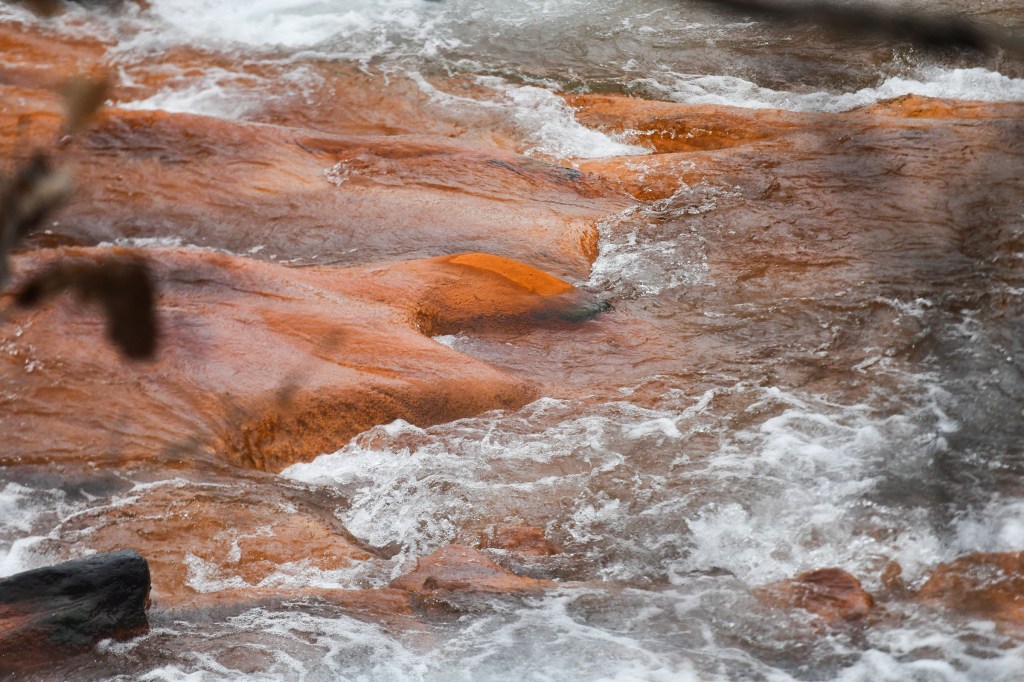
But sparing property owners from flooding came at a steep environmental cost of polluting the river, turning it orange from iron oxide and killing its aquatic life. The iron oxide and other contaminants from the mine water coat the river bottom and prevent an ecosystem of macroinvertebrates, insects, fish and waterfowl to thrive in that lower stretch of the Lackawanna.
And the pollution flows into the Susquehanna River, which is the largest tributary of the Chesapeake Bay.
Reclamation, hydroelectricity
A mine-water reclamation plan in the works for many years has goals of diverting and purifying polluted borehole water, returning clean water to the river and, in the process, also generating hydroelectric power.
The ambitious concept by Renewable Energy Aggregators Inc. of Pittston and Sullivan’s Island, South Carolina, calls for construction of two large reservoirs and a treatment/power plant facility in a 1,300-acre project area straddling Old Forge and Ransom Twp. in Lackawanna County and Duryea in Luzerne County, according to an application for a federal permit.
In a nutshell, a reservoir constructed on a mountain in Ransom Twp. would have a higher elevation than a similar reservoir built mostly in Duryea and partly in Old Forge. Underground pipes would connect the two reservoirs. Water flowing downhill between them would generate electricity. A purification and power plant would go near the lower reservoir. This “Old Forge borehole hydroelectric pumped storage project” would operate on a closed loop.
REA filed an application in July with the Federal Energy Regulatory Commission for a preliminary permit for three years. The project previously received a permit under Merchant Hydro Developers, LLC, which in 2018 changed its name to Renewable Energy Aggregators Inc. The project has been in continuous development.
FERC issued a public notice Jan. 24 in The Times-Tribune stating REA’s next step is to do a feasibility study. This step opened a review period that has a deadline of March 16 at 5 p.m. for the following: public comment on the proposed project; the filing of motions to intervene in the matter by potential affected parties; and the filing of any competing applications. If FERC grants a preliminary permit, REA could then seek a license for the project.
The project proposes creating the following:
• An upper reservoir on a mountain in Ransom Township near Spring and Red Oak drives at an elevation of 1,513 feet and with a storage capacity of 2,042 acre-feet; and an earthen or concrete dam/dike.
• A lower reservoir mostly in Duryea and overlapping the Old Forge border near the borehole, and generally in the area between Coxton Road and the Lackawanna River, at an elevation of 604 feet and with a storage capacity of 2,026 acre-feet.
• Two 9,110-feet-long and 10.25-to-12.5-feet-diameter underground piping “penstocks” for water flow between the upper and lower reservoirs.
• An underground, 200-feet-long and 150-feet-wide powerhouse in Old Forge at the lower reservoir containing two turbine generators with an 184-megawatt-capacity. That’s about the size of a small-to-medium power plant that could power about 150,000 homes. The project would generate 671,600 megawatt-hours annually.
• A 1.2-mile-long, 230-kilovolt transmission line connecting the powerhouse to a nearby electric grid, and; other related facilities.
• REA would partner with industry leader Voith Hydro in “a first-of-its-kind reclamation project that will go beyond remediating mine contamination in local waterways to convert that water into clean energy,” according to the REA website.
Bigger picture: Chesapeake Bay watershed
Efforts to reach REA principal Adam Rousselle were unsuccessful. But he explains the project in a video posted about five years ago on the REA website. The details in the video mirror those in the permit application.
Rousselle’s main points in the video included:
• A water treatment center and pumped-storage generator using Old Forge borehole water “is a historic project that is going to make a tremendous impact on the water quality of the Chesapeake Bay watershed, all while creating reliable green energy.”
• The Chesapeake Bay watershed encompasses more than 64,000 square miles in six states and Washington, D.C. The watershed is home to over 18 million people and supports more than 3,600 species of plants and animals.
• Connecting to the Atlantic Ocean, the Chesapeake Bay is a mixture of salt and fresh water, the largest of its kind in the United States and the third largest of its kind in the world. But with 80% of segments of the bay partially or fully impaired by pollution, a coalition of states in the bay’s watershed have joined together to plan for stopping pollution from draining into the bay.
• But progress toward achieving pollution-reduction milestones is so far behind schedule, that in 2020 Maryland pursued legal action against Pennsylvania and the federal Environmental Protection Agency over the slow pace of progress.
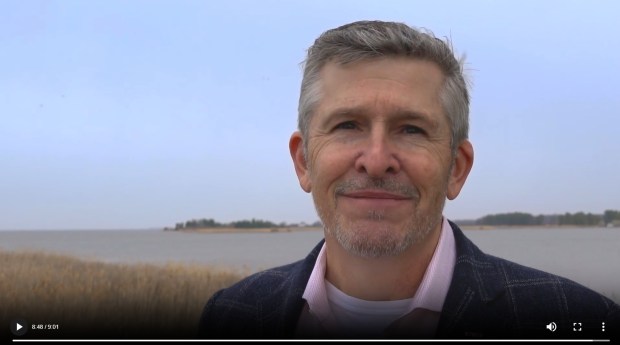 Adam Rousselle of Renewable Energy Aggregators Inc. in a video posted on REA’s website speaks about his company’s plan for an Old Forge borehole mine-water reclamation and hydroelectric generation facility on a tract in Duryea, Old Forge and Ransom Twp. (IMAGE COPIED FROM RENEWABLE ENERGY AGGREGATORS WEBSITE)
Pollution reduction
A few miles south of the Old Forge borehole, the Lackawanna empties into the Susquehanna River, which is the third-most polluted waterway in the United States and the largest tributary of the Chesapeake Bay.
The Old Forge borehole spews into the Lackawanna River hazardous compounds at such a rate that it has become one of largest point-sources of pollution in North America, and by far the largest single source in the Chesapeake Bay watershed.
“We propose to capture the polluted water from the borehole before it reaches the Lackawanna, remove the contaminants and return 99.99 % pure water back to the river,” Rousselle said in the video. “This alone is a game-changer for the bay, but we’re not stopping there,” because the pump-storage project also would be a source of ‘green’ energy.
Before a return to the river, purified water from the borehole will fill reservoirs and pass through hydroelectric turbines to generate electricity. With borehole pollution of the Lackawanna eliminated, its aquatic ecosystem in that area would return and create a wealth of environmental, recreation and economic-development opportunities.
River keeper
The video also featured Bernie McGurl, the former executive director of the Lackawanna River Conservation Association, expressing strong support for the REA reclamation concept and project and providing an historical perspective.
“Since the 1800s, the Lackawanna River and every river downstream of it have been plagued by the pollution created by the coal mining industry, which was once the lifeblood here in Northeastern Pennsylvania,” McGurl said.
Through decades of advocacy and activities, the LRCA and other environmental groups have helped improve the water quality of the upper Lackawanna River. The waterway’s turnaround resulted in the state naming the Lackawanna as Pennsylvania’s “River of the Year” in 2020.
But borehole pollution stymies a rebound in the lower stretch of the Lackawanna. Polluted mine water gushes out of the borehole and into the Lackawanna at a rate of 42,000 gallons per minute, or nearly 60.5 million gallons per day. And those waters carry 4,000 pounds of iron oxide, 500 pounds of manganese, 700 pounds of aluminum and trace elements of copper, lead and other minerals.
“Molecule by molecule, this material precipitates out of the water and coats the Lackawanna River bed downstream, all the way into the Susquehanna River. Upstream you can find a Class A trout fishery, but downstream is an orange-colored toxic miasma,” McGurl said.
Native trout and waterfowl have all but disappeared below the borehole, as its pollution killed off the food-chain ecosystem, from zooplankton to insects to fish. Reclamation of borehole water would revive the ecosystem, with resurgence becoming evident in just the first year.
“After that, the door swings wide open for the development of parks and for the public to once again take advantage of these valuable resources,” McGurl said. “This is a win for everyone, not just for our region here in Northeastern Pennsylvania, but for the millions of people and thousands of species of wildlife that live downstream in the Chesapeake Bay watershed.”
Challenges ahead
In a phone interview last week, McGurl, who is now retired, said he was not aware of the permit application and public notice for a feasibility study, but he was glad to hear REA still pursues the plan.
“The concept is great. It has a lot of potential, but I’ve got some concerns of the practicality and feasibility of it that he (Rousselle) has to work through,” McGurl said.
Chief among those concerns are whether the project can make economic sense. A pumped-storage hydroelectric plant presumably could operate fairly continuously, unlike solar power and windmills, and could add to the local and regional electricity grid.
“It basically is a water battery and has potential to balance other sources. Solar doesn’t work when sun goes down. Wind doesn’t work when wind dies down. This would plug a hole in balancing the grid,” McGurl said.
The permit application states the facility would generate a “source of clean, renewable energy that will provide added stability and capacity” to the state’s energy markets and the PJM organization that coordinates the movement of wholesale electricity in 13 states and the District of Columbia. Electricity would be offered to private industrial consumers, the state or sold at market rates to either an electric utility marketer or through PJM for transmission to the electric grid.
The permit application does not state an overall cost estimate of the project or delve into financial aspects, but it does express optimism that it would operate in the black.
“Based upon available feasibility and marketing studies conducted for the electric power market in the vicinity of the proposed project, project revenues are expected to be adequate to construct and operate the Old Forge Pumped Storage Hydro Project and to yield a reasonable rate of return on investment,” the application states.
It also identifies four corporate and realty firms that own unspecified portions of the 1,300 acres, but does not specify whether acquisitions are under negotiation or have been agreed upon.
Public comment period
According to the FERC public notice regarding a feasibility study, the agency strongly encourages filings to be done online at https://ferconline.ferc.gov/FERCOnline.aspx.
Members of the public can submit brief comments up to 10,000 characters, without prior registration, using the eComment system at https://ferconline.ferc.gov/QuickComment.aspx.
For assistance, contact FERC Online Support at FERCOnlineSupport@ferc.gov, (866) 208-3676 (toll free), or (202) 502-8659 (TTY).
In lieu of electronic filing, submissions also can be sent via U.S. Postal Service mail to: Debbie-Anne A. Reese, Secretary, Federal Energy Regulatory Commission, 888 First Street NE, Room 1A, Washington, DC 20426.
Submissions sent via any other carrier must be addressed to: Debbie-Anne A. Reese, Secretary, Federal Energy Regulatory Commission, 12225 Wilkins Avenue, Rockville, Maryland 20852.
For public inquiries and assistance with making filings such as interventions, comments or requests for rehearing, contact the Office of Public Participation at (202) 502-6595 or OPP@ferc.gov.
More information about this project, including a copy of the application, can be viewed or printed on the “eLibrary” link of FERC’s website at https://elibrary.ferc.gov/eLibrary/search. Enter the docket number (P-15411) in the docket number field to access the document.
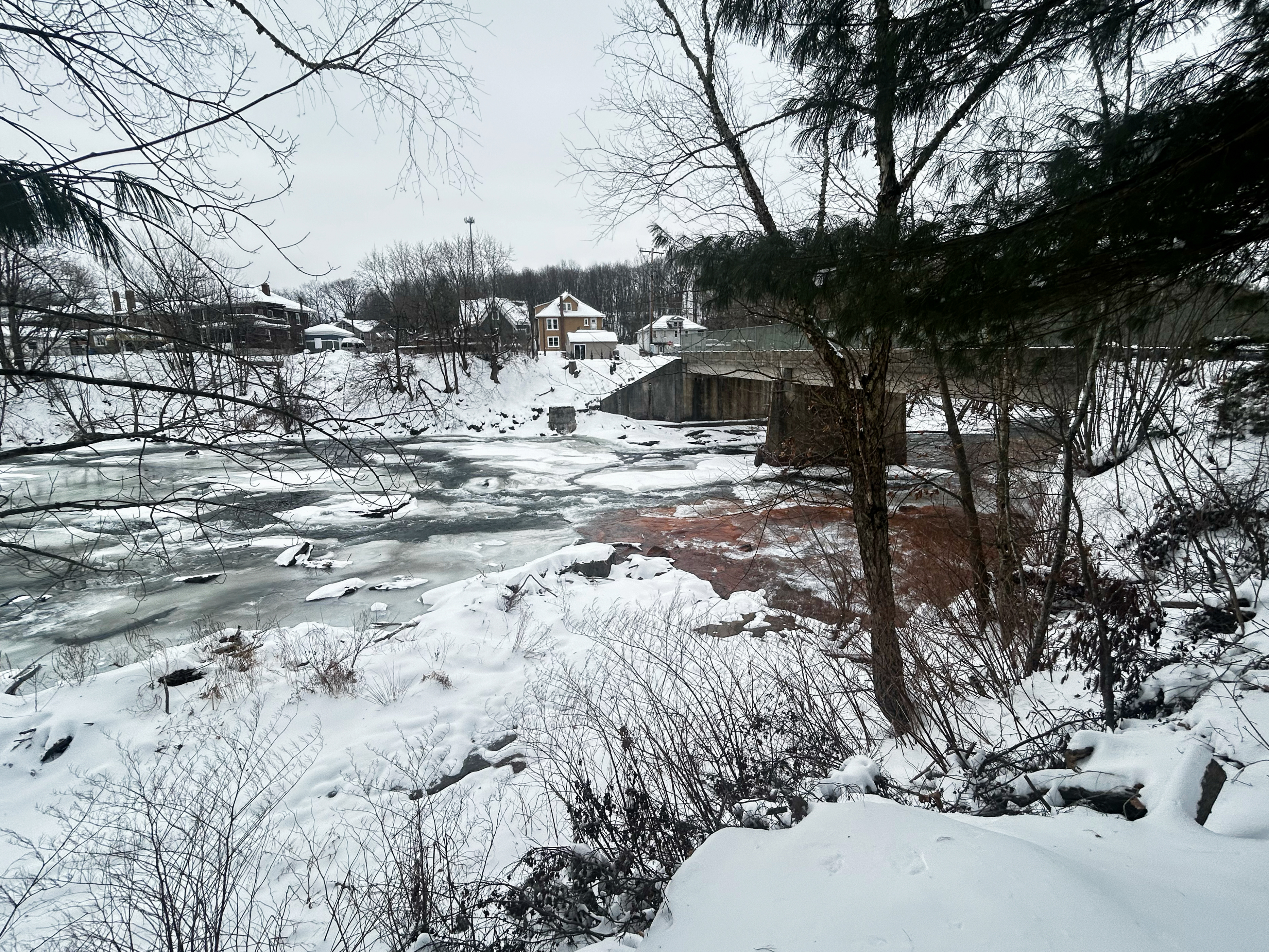
The Old Forge Bore Hole in Old Forge Tuesday, January 27, 2026. (SEAN MCKEAG / STAFF PHOTOGRAPHER)
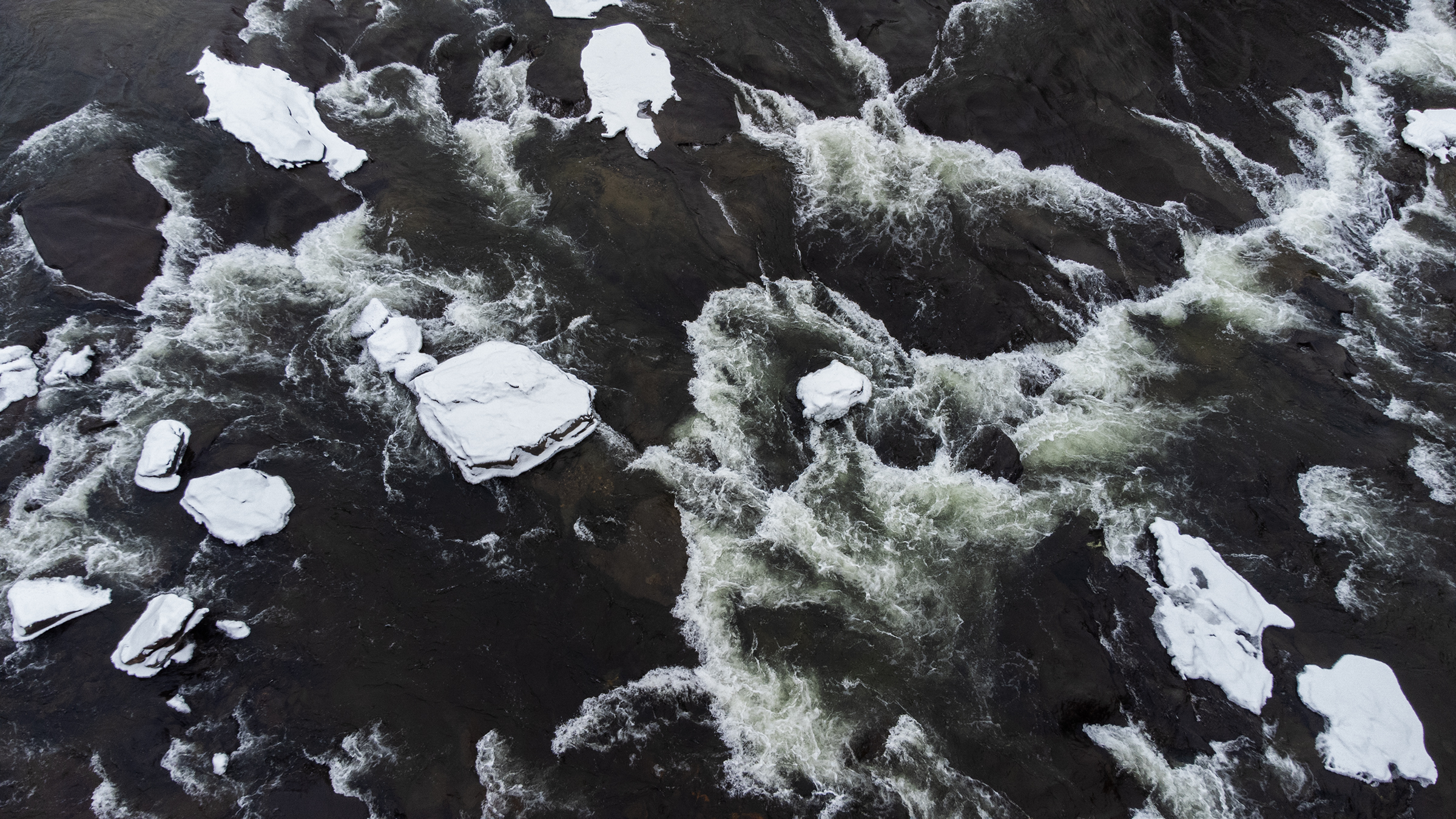
Water flows in the Lackwanna River at the Old Forge Bore Hole in Old Forge Tuesday, Dec. 24, 2024. (SEAN MCKEAG / STAFF PHOTOGRAPHER)
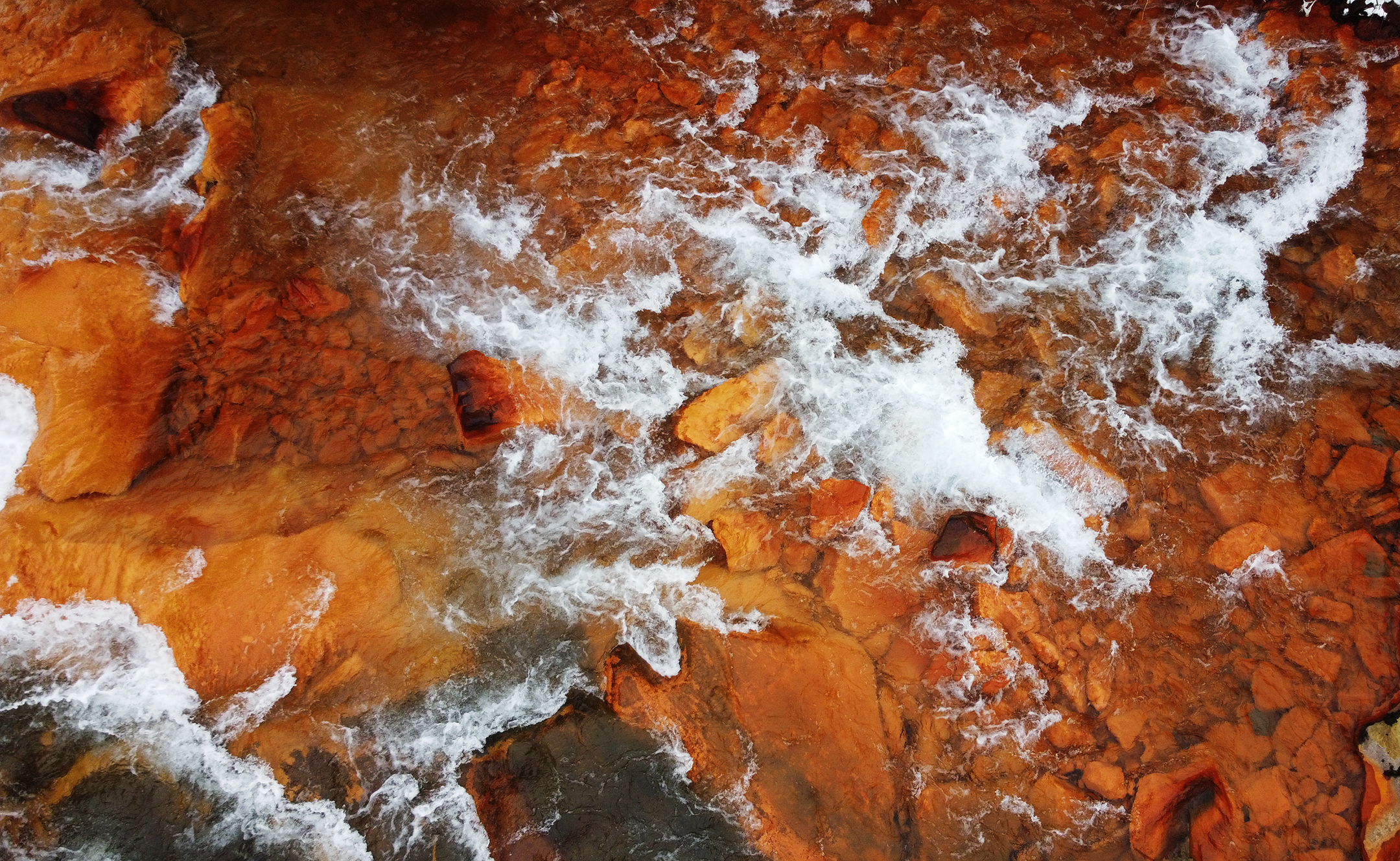
Water flows in the Lackwanna River at the Old Forge Bore Hole in Old Forge Tuesday, Dec. 24, 2024. (SEAN MCKEAG / STAFF PHOTOGRAPHER)
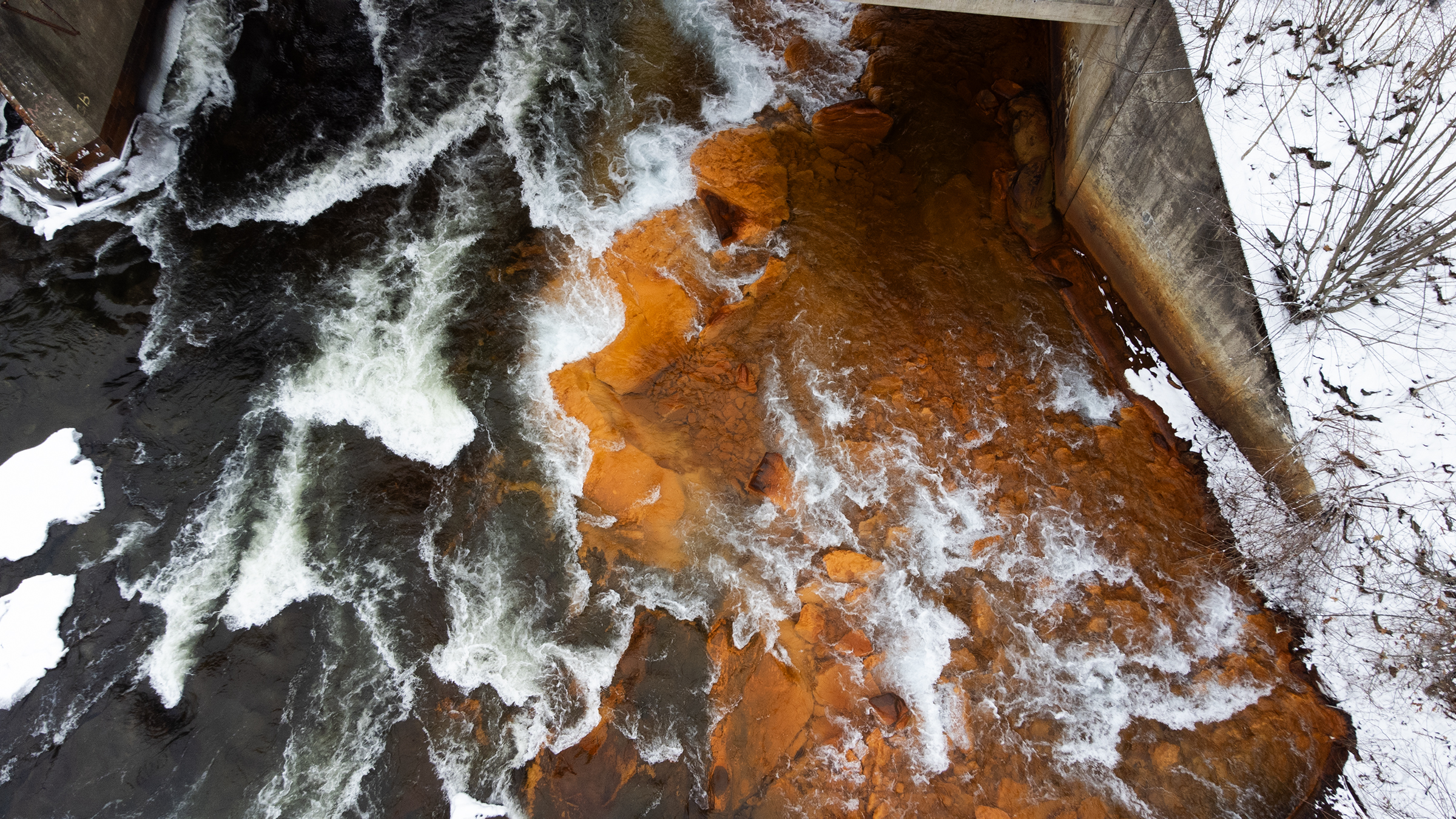
Water flows in the Lackwanna River at the Old Forge Bore Hole under the Connell Street bridge in Old Forge Tuesday, Dec. 24, 2024. (SEAN MCKEAG / STAFF PHOTOGRAPHER)
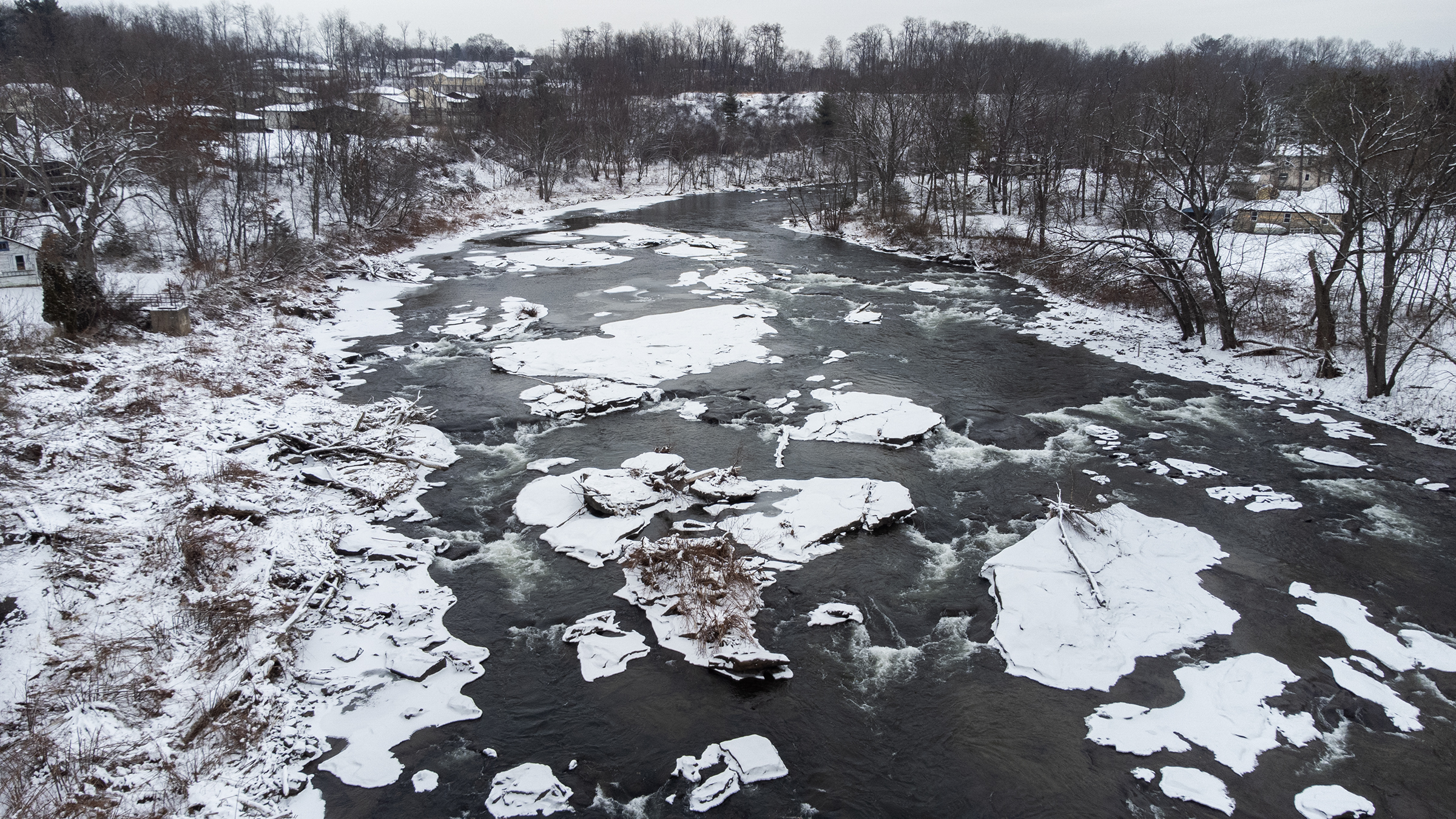
An aerial view of the Lackwanna River at the Old Forge Bore Hole in Old Forge Tuesday, Dec. 24, 2024. (SEAN MCKEAG / STAFF PHOTOGRAPHER)
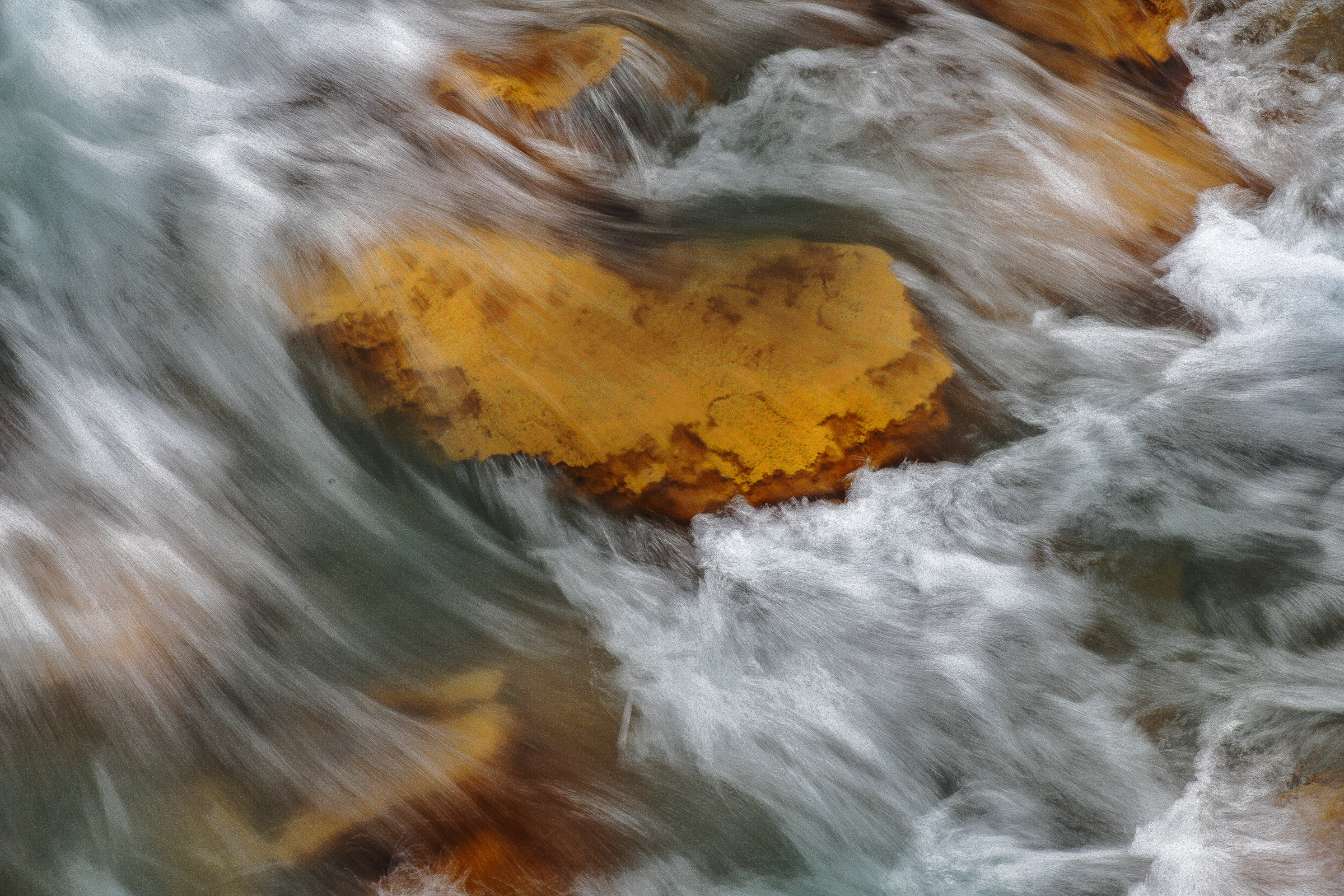
Water flows over a rock in the Lackwanna River at the Old Forge Bore Hole in Old Forge Tuesday, Dec. 24, 2024. (SEAN MCKEAG / STAFF PHOTOGRAPHER)
Show Caption
1 of 6
The Old Forge Bore Hole in Old Forge Tuesday, January 27, 2026. (SEAN MCKEAG / STAFF PHOTOGRAPHER)