
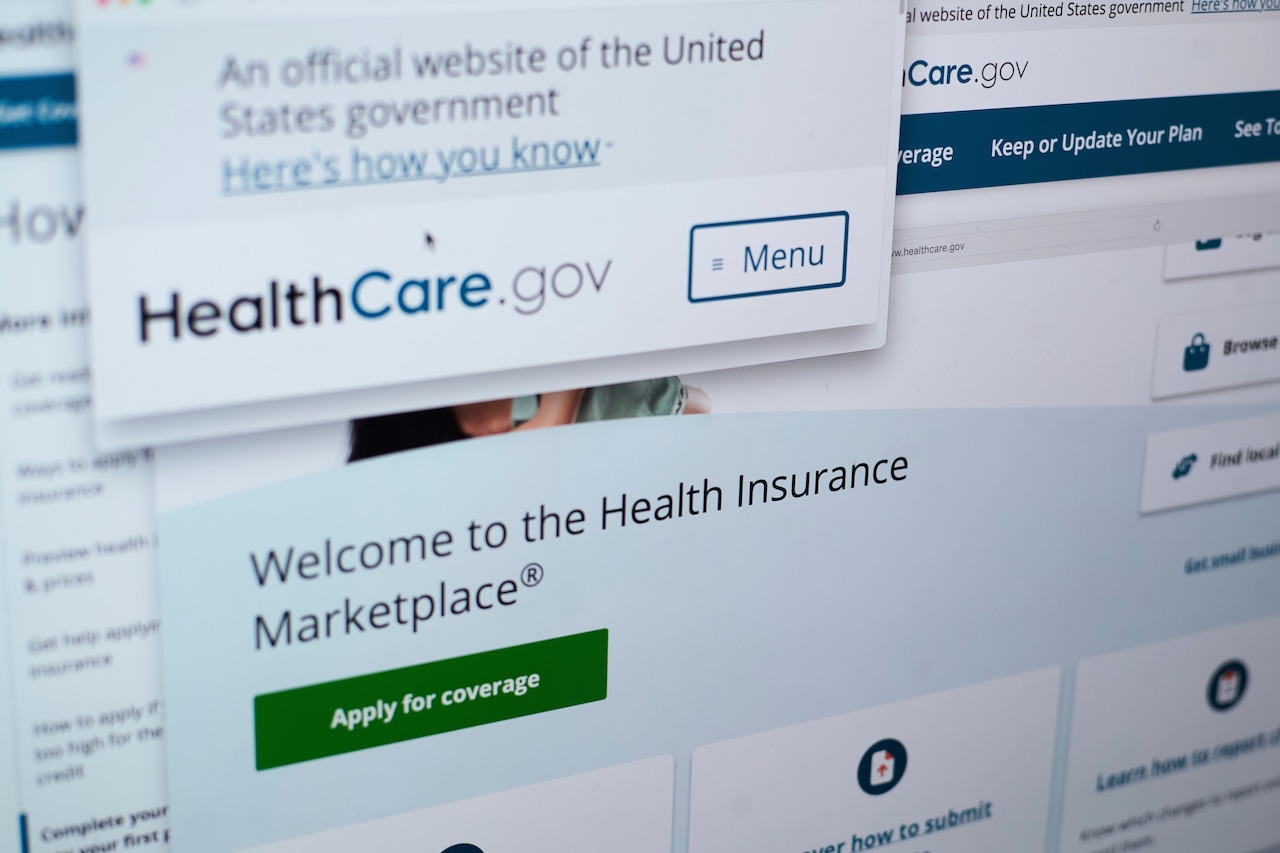
Far fewer Oregonians bought health insurance through the Affordable Care Act marketplace this year, after the loss of pandemic-era subsidies drove premiums higher.
During the 2026 open enrollment period, 118,372 people signed up for private health plans through the state’s marketplace, according to the Oregon Health Authority. That’s about 21,000 fewer people than last year — a decline of roughly 15% compared to an average annual drop of about 1.4% since 2017.
The Affordable Care Act marketplace, often called Obamacare, covers a smaller share of the state’s population than employer-sponsored insurance or Medicaid, but it fills an important gap. Many who rely on Obamacare plans often are self-employed, run small businesses or work as independent professionals, according to KFF, a health policy research organization.
State officials say the enrollment decline follows a shift in much-debated federal rules that changed how much financial help many people receive.
The Affordable Care Act marketplace has always provided subsidies based on income, so people earning less can spend a smaller share of their income on premiums. But before 2021, those subsidies were limited to people earning up to 400% of the federal poverty level — about $62,400 a year for an individual or $128,000 for a family of four. Anyone earning above that cutoff received no help at all.
During the pandemic, Congress temporarily expanded those tax credits, removing the income cap and increasing subsidies across the board. The Biden administration later extended the policy through the Inflation Reduction Act.
But that extra help expired at the end of 2025 after the Republican-controlled Congress declined to renew the subsidies as part of a broader tax and spending package.
Most enrollees now receive smaller subsidies, and those with higher incomes don’t qualify for assistance. The state previously estimated that about 35,000 Oregonians who earned above the income cutoff last year would receive no financial help at all in 2026.
Nearly 60% of those who enrolled in Affordable Care Act plans this year received financial help, down from about 80% the year before, according to the Oregon Health Authority.
State health officials said premiums rose for many enrollees after the subsidy changes. For individuals earning between $31,300 to $62,600 a year — monthly premiums increased by about $90 to $165, adding as much as $2,000 a year to the cost of coverage.
According to the health authority, those higher costs led some people to delay signing up, choose plans with higher deductibles and out-of-pocket costs or decide not to enroll at all.
“We continue to see how critical financial assistance is in helping people get and stay covered,” said Chiqui Flowers, director of the Oregon Health Insurance Marketplace. “As enhanced premium tax credits expired, many people in Oregon faced difficult choices about affordability.”
Open enrollment for 2026 marketplace plans has ended, but some people can still sign up. Major life changes — like losing other coverage, moving, getting married, having a baby or leaving incarceration — can qualify someone for a special enrollment period.
Members of federally recognized tribes, Alaska Natives and people with lower incomes can enroll year-round.