
Stay informed with free updates
Simply sign up to the Pharmaceuticals sector myFT Digest — delivered directly to your inbox.
The fortunes of the two biggest weight-loss drugmakers diverged on Wednesday, with Novo Nordisk shares tumbling as it warned of a double-digit sales decline while rival Eli Lilly reported continuing growth for its obesity medicines.
Novo Nordisk shares fell 17 per cent as chief executive Mike Doustdar said on Wednesday that the company faced “unprecedented pricing pressure.” The stock’s drop came in response to the Danish company’s warning after market close on Tuesday that sales could decline up to 13 per cent in 2026.
In contrast, Lilly’s shares jumped 9.6 per cent, vaulting the company’s market capitalisation back above $1tn.
For years, Novo and Lilly have jockeyed for market share as the world’s dominant makers of weight-loss drugs. But on Wednesday, analysts said Lilly has pulled comfortably ahead of its Danish rival.
“Lilly [is] in a class of its own,” Evan Seigerman, an analyst at BMO Capital Markets, said in a report.
Novo forecast that the decline in sales this year could be 5 to 13 per cent, much steeper than analysts’ estimates of a 2 per cent fall, as it faced a crowded obesity-treatment market and a squeeze on the pricing of its drugs.
The declining sales guidance for 2026 mainly reflected falling US prices associated with its deal with the Trump administration under the Most Favored Nation agreement, Doustdar said.
He described the pricing pressure as “painful”, but hoped the price declines in the US “would translate into more affordability and more people being able to pick up our products and we have seen this with the pill”.
The daily pill marks a new era in weight-loss treatment as companies seek to widen their appeal to patients. However, Jefferies analysts said in a note last month that despite a strong start for the pill, there had not been an “expansion of Novo’s overall GLP-1 volumes following launch, and weekly prescriptions still remain below pre-Christmas highs”.
Indianapolis-based Lilly also said its drug prices dropped in the US, but it compensated for these losses by increasing sales volumes. Global sales of its two weight-loss shots increased by 110 per cent and 122 per cent in the fourth quarter. The company estimated its 2026 sales would hit at least $80bn, up from $65bn last year.
Lilly is poised to launch its own weight-loss pill by this summer, but Novo has a head start in that market for now.
Novo reported net sales of DKr309bn ($48.9bn) in 2025, a 6 per cent increase against the previous year. Sales of its popular obesity and diabetes treatments rose 7 per cent to DKr289.5bn, driven largely by a rise in obesity care sales.
Operating profit declined 1 per cent to DKr127.7bn. The company said profit had been weighed down by the DKr8bn in costs incurred last year as part of “company-wide transformation” efforts.
Novo’s share price has tumbled about 70 per cent since it briefly became Europe’s most valuable company in June 2024, as it has lost share in the crucial US market. The company is now valued at about $215bn.
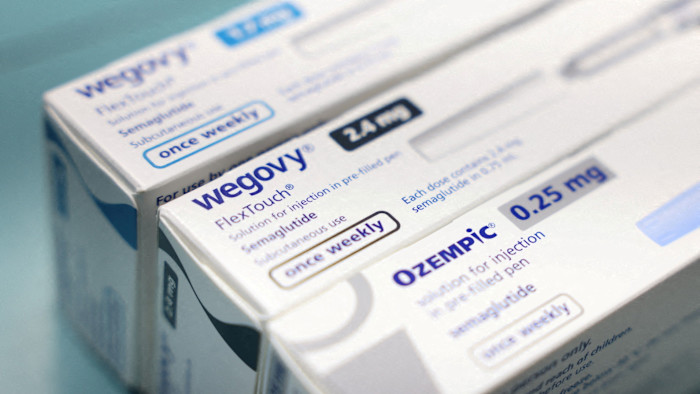
The pricing pressure on Novo’s blockbuster drugs comes after it agreed last year to slash the cost of injectable Ozempic and Wegovy from at least $1,000 a month to $350 when purchased on TrumpRx, the US president’s new direct-to-consumer website.
The White House said at the time that weight-loss drugs would also be made cheaper for Americans enrolled in the Medicaid and Medicare government healthcare programmes.
Novo endured a turbulent 2025, with Doustdar replacing former chief executive Lars Fruergaard Jørgensen following a slump in the company’s share price as it lost share of the obesity drug market to Lilly.
Recommended

There was also a board clearout last year when the chair and six independent directors were forced out following a dispute with Novo Nordisk Foundation, the Danish group’s majority shareholder.
The company this week released late-stage trial results of CagriSema, a weekly combination therapy injection that delivered weight loss of up to 14.2 per cent in patients with type 2 diabetes — a similar finding to previous trials of the drug, which has disappointed investors in the past.
Novo also announced on Tuesday that the vice-presidents of its US operations and its product and portfolio strategy were stepping down, in a sign that the group was seeking to retool its strategy.