
Home » Latest Travel News » Texas Joins Tennessee, Washington, Georgia, Arizona, New York, and Others in Facing Over Six Billion Dollars in Tourism Losses in Just One and a Half Months Last Year: Everything You Need to Know
Published on
February 4, 2026
In the wake of the 2025 U.S. government shutdown, Texas joins Tennessee, Washington, Georgia, Arizona, New York, and others in facing over six billion dollars in tourism losses in just one and a half months. The shutdown disrupted key sectors like aviation, national parks, and local tourism industries, severely affecting the travel experience across these states. Texas, with its bustling border economy, national park tourism, and booming space tourism industry, felt the direct impacts, including staffing shortages and park closures. As one of the hardest-hit regions, Texas’ struggle mirrors that of other major tourist destinations, emphasizing the critical need for stable funding and support for the essential travel workforce. The shutdown revealed just how intertwined the national economy is with the travel sector, particularly in regions dependent on tourism for economic stability.
The $6 Billion Toll of the Government Shutdown on U.S. Travel and Economy
The recent US government shutdown, which spanned from October 1 to November 12, 2025, resulted in a staggering $6.1 billion in economic losses, particularly impacting the travel sector. The shutdown disrupted the travel system by causing workforce strain, operational delays, and a sharp decline in travel demand. Essential workers, such as air traffic controllers, TSA officers, and Customs and Border Protection (CBP) staff, were required to work without pay, resulting in staffing shortages and operational slowdowns. For example, the Federal Aviation Administration reduced flights at 40 high-traffic airports due to controller shortages, leading to nationwide delays and cancellations. The shutdown also led to the closure of public attractions like national parks and museums, suppressing travel interest and reducing tourism spending. On average, the U.S. saw 88,000 fewer trips per day, which had a ripple effect on airlines, hotels, restaurants, small businesses, and local economies. This disruption highlights the critical need for bipartisan support to ensure essential workers are paid during government shutdowns to minimize the economic toll on the travel industry, which supports 15 million jobs and significantly contributes to the national economy.
Key ImpactDetailsTotal Economic Loss$6.1 billion in travel-related lossesAverage Fewer Trips88,000 fewer trips per dayDisruptionsReduced flights, closures of public attractions, workforce strainAffected SectorsAirlines, hotels, restaurants, small businessesEssential WorkersAir traffic controllers, TSA officers, CBP staff worked without payBipartisan SupportStrong backing for paying essential workers during shutdowns
This data underscores the significant disruptions caused by government shutdowns and emphasizes the importance of protecting the travel workforce and ensuring the continuity of travel operations for the U.S. economy.CategoryNational ImpactTotal Economic Loss$6.1 BillionLost Daily Trips~88,000 trips/dayDaily Economic Hit$136.8 Million/dayDirect Travel Spending Loss$2.7 Billion
Texas: Border Delays and National Park Closures Shake the State’s Economy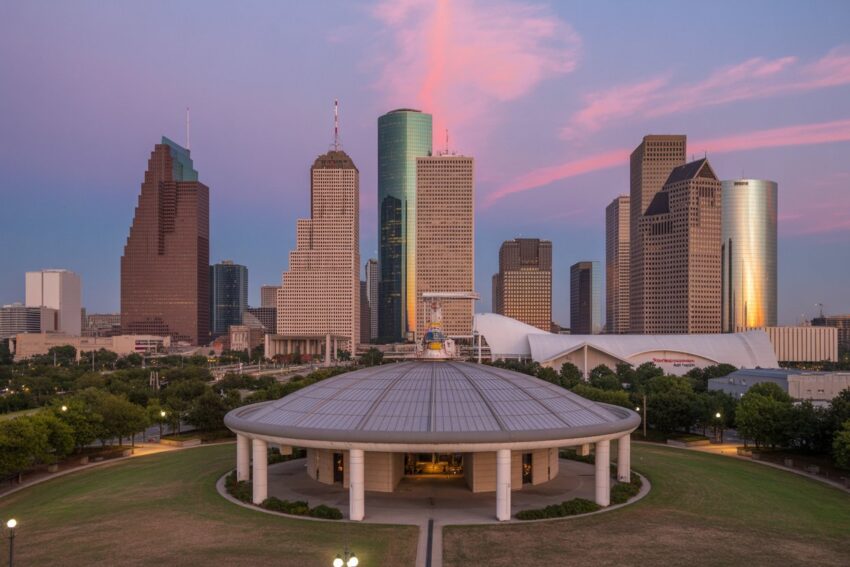
Texas faced unique challenges during the 2025 federal government shutdown, significantly affecting its border economy and national park tourism. With approximately 63,000 Customs and Border Protection (CBP) agents required to work without pay, the state’s border crossings, particularly along the Texas-Mexico border, experienced severe delays. The wait times for cross-border travel increased dramatically, hindering day-trip tourism and cross-border retail, which are vital to the economy of the Rio Grande Valley. These delays disrupted not only tourism but also the everyday economic activity that relies on the efficient movement of goods and people. Texas is also known for its scenic national parks, such as Big Bend National Park and Guadalupe Mountains National Park, which experienced severe staffing shortages due to federal furloughs. Though many trails remained accessible, the lack of sanitation services, emergency responders, and general park management led to safety concerns and deterred visitors, particularly those planning overnight stays. For a state like Texas, where national parks play a key role in its tourism economy, the shutdown was a major blow. Furthermore, Texas’ booming space tourism industry, centered around NASA’s Johnson Space Center in Houston, also suffered, as public tours and educational programs were canceled due to furloughs. This combination of border disruptions, park closures, and halted space tourism had a profound impact on the local economy, especially in regions heavily dependent on federal services for tourism.
Advertisement
Advertisement
Tennessee: Smoky Mountain Shutdown Drives Visitors Elsewhere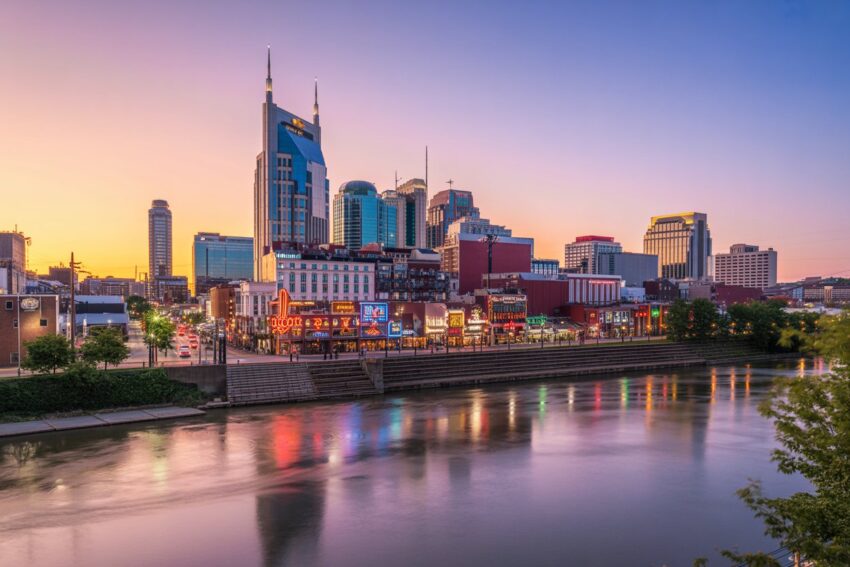
Tennessee faced severe economic challenges during the 2025 federal government shutdown, particularly due to its reliance on the Great Smoky Mountains National Park, the most visited national park in the U.S. The shutdown led to a drastic reduction in park maintenance and patrols, especially during the peak autumn “leaf-peeping” season. The park, which typically draws millions of visitors in October and November, experienced closures and limited services, leading to widespread cancellations. The small towns of Gatlinburg and Pigeon Forge, which depend heavily on tourism, saw significant declines in revenue as visitors chose alternative destinations or canceled their trips altogether. Local businesses, particularly those catering to tourists such as restaurants, hotels, and gift shops, reported major losses during this period. The uncertainty surrounding access to the Smoky Mountains, a key tourist destination, left many tourists hesitant to visit, further impacting Tennessee’s tourism-dependent communities. The shutdown’s effects on Tennessee underscore how crucial national park access is to local economies in the state, particularly in the Smoky Mountains region, which relies on the steady flow of visitors throughout the fall season.
Washington: National Park Closures and Furloughed Federal Workers Stifle Tourism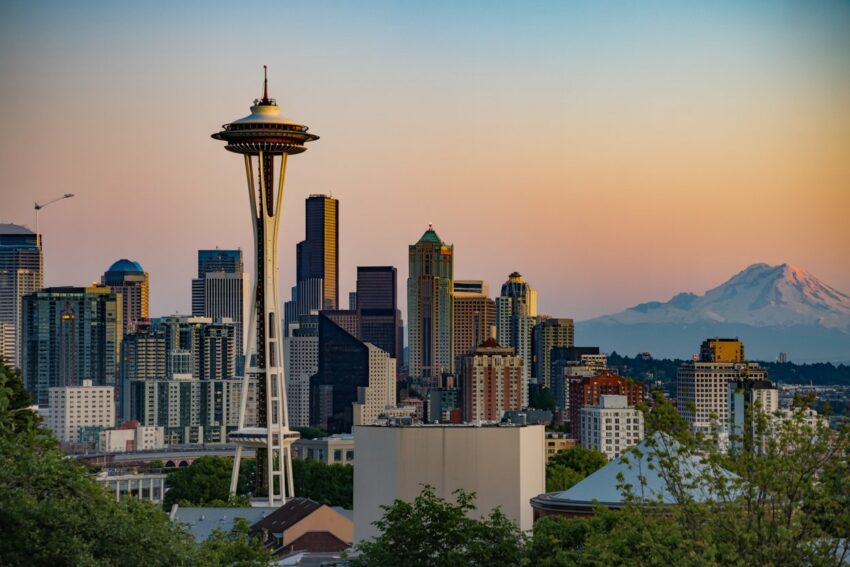
Washington state, home to some of the nation’s most celebrated national parks, experienced severe disruptions during the 2025 federal government shutdown. Access to key parks, such as Mount Rainier and Olympic National Park, was significantly restricted. October, a prime month for late-season hiking and photography, is a crucial period for tourism in Washington, and the shutdown led to park closures or reduced services. Gateway towns like Ashford and Port Angeles, which rely on tourism related to these parks, saw a dramatic drop in local business revenue. Equipment rentals, guided tours, and local dining establishments reported major declines as visitors canceled trips or diverted to other regions. Washington’s high density of federal employees also exacerbated the issue. Thousands of federal workers were furloughed, which reduced local consumer spending and further strained businesses in both urban and rural areas. The combination of reduced access to parks, staffing shortages, and the overall decline in consumer spending hit Washington’s tourism sector hard. The state’s dependence on federal parks for tourism, coupled with the economic toll from the loss of federal income, made it one of the hardest-hit regions during the shutdown.
Advertisement
Advertisement
Georgia: Airport Staffing Shortages and Historical Tourism Declines
Georgia, home to the busiest airport in the world, Hartsfield-Jackson International, felt the brunt of the 2025 shutdown, particularly in its aviation sector. The airport, a critical transit hub for domestic and international travel, suffered from TSA and FAA staffing shortages. As a result, the airport experienced major delays and a 10% reduction in flight schedules, stranding thousands of travelers and creating a logistical nightmare for both tourists and business travelers. This disruption had a ripple effect across Georgia’s economy, with significant losses reported in local retail and hospitality industries. Atlanta, which relies heavily on air travel for its tourism revenue, saw a sharp decline in business during this period. Beyond the aviation sector, Georgia’s historical tourism was also hit hard. Federally managed attractions such as the Martin Luther King Jr. National Historical Park and other Civil Rights landmarks experienced reductions in services, which deterred many tourists who had planned to visit these important sites. The combination of reduced airport functionality and the closure or partial operation of significant historical landmarks left local businesses in areas like the Sweet Auburn district suffering from diminished sales. Georgia’s dependence on air travel and historical tourism made it particularly vulnerable during the shutdown, as its economy relied on consistent tourist inflows and operational efficiency at key transportation hubs.
Arizona: Grand Canyon Shutdown and State-Funded Emergency Solutions
Arizona’s tourism economy, heavily reliant on its national parks, faced considerable setbacks during the 2025 federal government shutdown. The Grand Canyon, one of the most visited national parks in the U.S., was particularly affected. The state scrambled to provide emergency funding to keep the park operational, but without federal staff, services were drastically reduced. Visitor centers were closed, and the lack of federal staff led to inadequate maintenance and oversight. While the state provided temporary solutions, the absence of sanitation services and the inability to fully manage park resources led to significant safety concerns and a decline in tourism. Local businesses that cater to Grand Canyon visitors, particularly those in nearby towns like Tusayan, experienced a sharp drop in revenue. With limited park access and uncertainty surrounding the situation, tourists canceled their trips or sought alternative destinations. Additionally, without federal workers on-site, the Grand Canyon saw issues with illegal camping and trash accumulation, which not only harmed the visitor experience but also imposed long-term environmental restoration costs. Arizona’s dependence on the Grand Canyon and its other national parks for tourism made it one of the most vulnerable states during the shutdown, with rural communities near these parks facing severe economic repercussions.
Advertisement
Advertisement
New York: The Impact of Shutdown on Tourism and Business Operations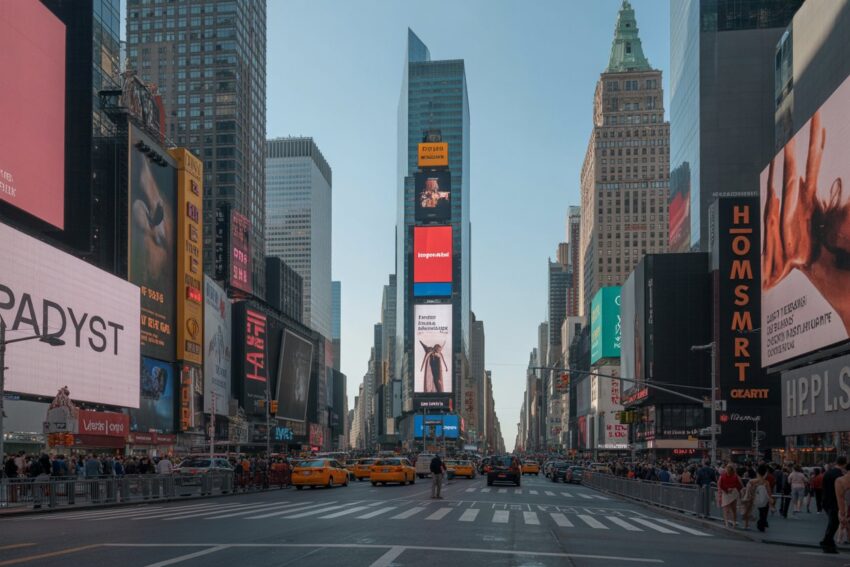
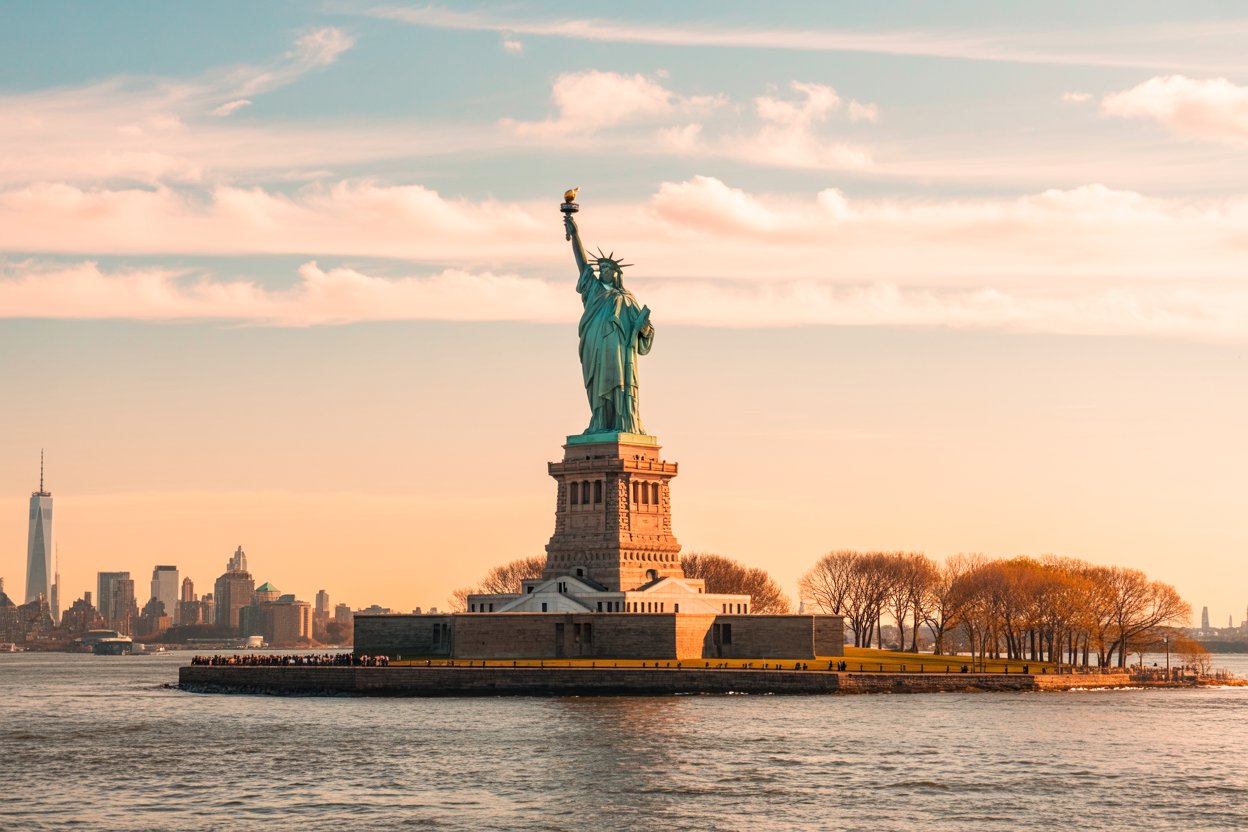
The 2025 federal government shutdown had a profound impact on New York, particularly in its most iconic tourism and transportation sectors. New York City, a hub for international business travel and tourism, faced significant operational strains, especially at its major airports, JFK and LaGuardia. Air traffic controller shortages, caused by the shutdown, led to flight delays and cancellations, disrupting not only international business travel but also domestic tourism. This had a cascading effect on local businesses, from retail to hospitality, as travelers rebooked or canceled their trips. The city’s tourism economy also took a hit with the closure of popular federally managed attractions like the Statue of Liberty and Ellis Island. These landmarks are significant revenue drivers for Manhattan’s hospitality sector, attracting millions of tourists annually. The closures, in conjunction with reduced services, led to millions of dollars in lost income. New York’s already high hotel occupancy rates plummeted as travelers avoided the city due to fears of gridlock and uncertainty at transit hubs. Additionally, businesses that rely on the influx of international and domestic visitors, such as restaurants, shops, and transportation services, suffered from the decreased foot traffic. The ripple effect of the shutdown was widespread, demonstrating the interdependence of the federal government’s role in maintaining the city’s tourism infrastructure and economic stability.
Bipartisan Support for a Solution
In response to the disruption caused by government shutdowns, there is strong bipartisan support for ensuring that essential aviation workers are paid during such events. A national survey by Ipsos, in partnership with U.S. Travel Association, found that four out of five Americans support paying air traffic controllers and TSA officers when they are required to work during a government shutdown. This support crosses party lines and reflects the national understanding of the importance of a stable and well-compensated workforce in maintaining the travel system.
Key Findings from the Survey:Support for Paying Essential Workers: 80% of Americans support paying air traffic controllers and TSA officers during a shutdown.Bipartisan Consensus: This support spans both Democratic and Republican party lines.Legislative Action and Ongoing Efforts
Recognizing the critical need for a stable aviation workforce, Congress has already taken steps to ensure that essential workers continue to be paid during future government shutdowns. The House Transportation and Infrastructure Committee passed H.R. 6086, the Aviation Funding Solvency Act, which would guarantee pay for air traffic controllers in the event of a future shutdown.
While this bill is a positive first step, there is still much more work to be done to address the broader effects of shutdowns. Momentum is building on Capitol Hill to ensure that all essential travel workers are compensated for their efforts, and to prevent further disruptions to the nation’s travel system.
Legislative Progress:H.R. 6086 (Aviation Funding Solvency Act): Passed by the House Transportation and Infrastructure Committee to ensure air traffic controllers are paid during a shutdown.Ongoing Momentum: Continued support from bipartisan leaders to protect the continuity of travel operations.
Texas, alongside Tennessee, Washington, Georgia, Arizona, New York, and others, faced over six billion dollars in tourism losses during the 2025 government shutdown. This disruption stemmed from staffing shortages, park closures, and aviation delays, hitting local economies hard.
Conclusion
Texas, along with Tennessee, Washington, Georgia, Arizona, New York, and others, faced over six billion dollars in tourism losses during the 2025 government shutdown. The shutdown’s impact on tourism was felt across these states due to staffing shortages, national park closures, and disruptions in air travel, all of which severely affected local economies. As tourism is a key economic driver for many of these regions, the losses highlight the need for proactive measures to protect the travel industry from future shutdowns and ensure economic stability. The combined effects across these states demonstrate the far-reaching consequences of such disruptions, underscoring the importance of safeguarding essential workers and services during government shutdowns.
