
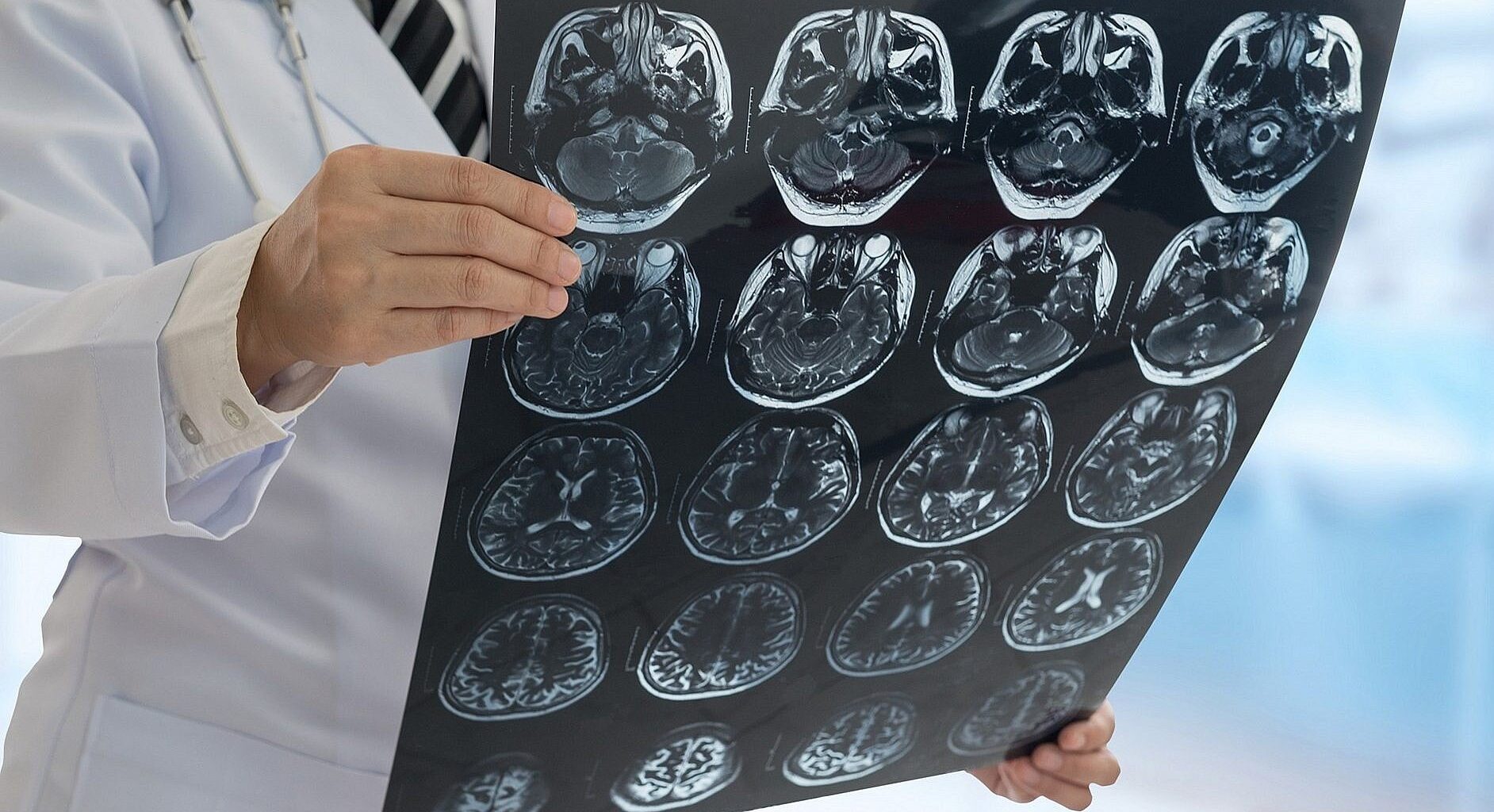
A research team led by scientists at the Hebrew University of Jerusalem and INSERM in France says it has identified for the first time a gene responsible for a severe neurodevelopmental disorder in children, in findings recently published in the peer-reviewed journal Nature Neuroscience.
Using CRISPR, a gene-editing tool, the researchers switched off roughly 20,000 genes, one by one, to study their role in brain development and discovered rare mutations in a gene called PEDS1 that cause profound developmental delay and reduced brain size.
The study, led by Prof. Sagiv Shifman from the Alexander Silberman Institute of Life Sciences at the Hebrew University, in collaboration with Prof. Binnaz Yalcin from INSERM, France, and researchers in Japan, used a mouse model to confirm their findings.
The breakthrough will help improve genetic counseling and open new directions for future medical research.
Shifman’s lab investigates the genetic causes of neurodevelopmental disorders and studies how genes shape brain development.
Get The Times of Israel’s Daily Edition
by email and never miss our top stories
By signing up, you agree to the terms
“We work on autism and neurodevelopmental disorders, so this is why we care about this,” Shifman said.
“We actually generated mutations in almost all the genes of the genome, one by one, which is quite incredible,” he said. “If you had told me 10 years ago that I would do something like that, I would say, this is fantastic.”
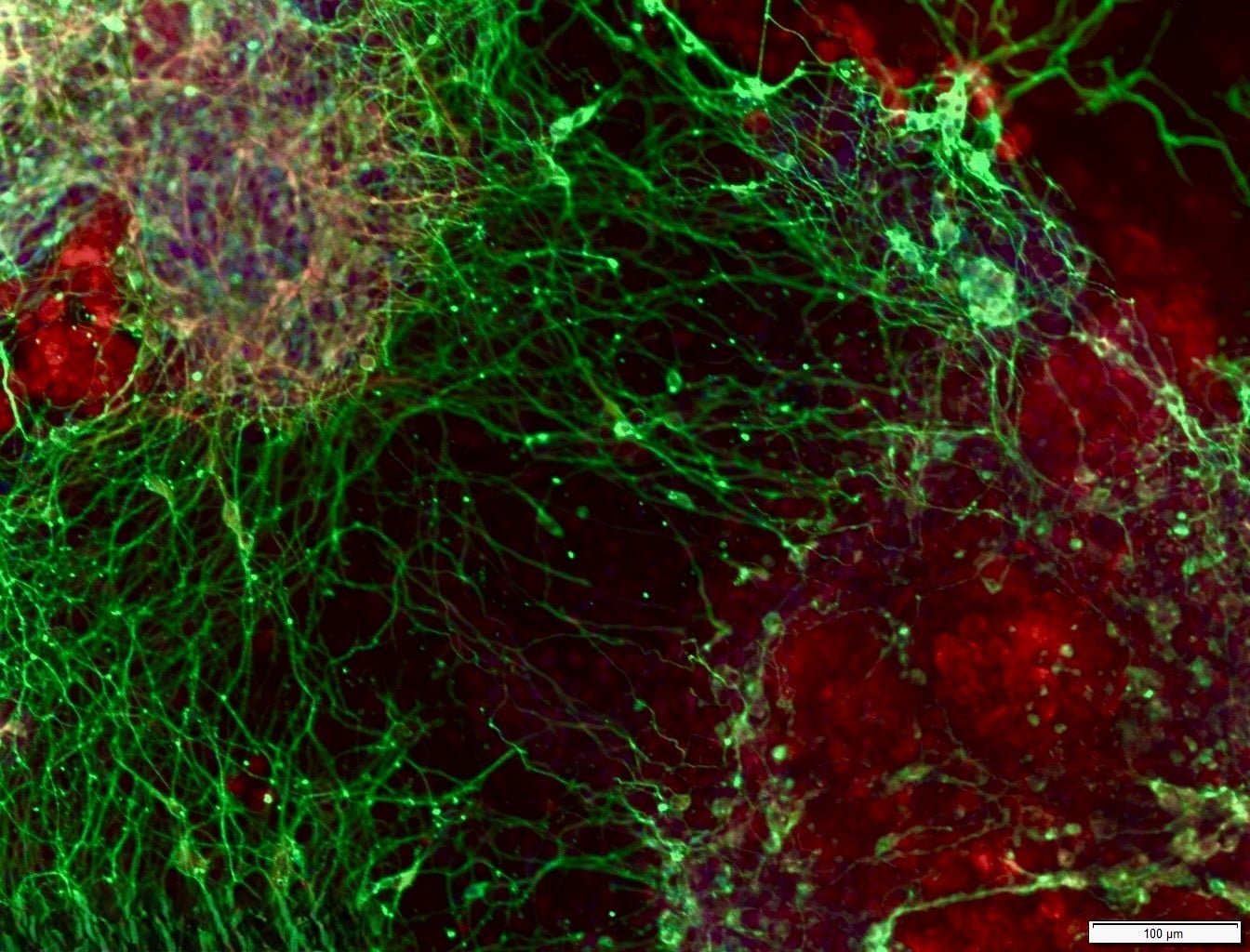
Neurons grown from stem cells in the lab form an interconnected network. In this study, Hebrew University of Jerusalem researchers used CRISPR to switch off genes in stem cells and then followed how successfully the cells developed into neurons. Scale bar, 100 µm. (Courtesy/Galya Monderer Rothkoff)
How are brain cells formed?
The scientists set out to discover which genes are required for an embryo’s stem cells to develop into neurons, the brain’s nerve cells.
Shifman explained that in early development, embryonic stem cells have the ability to become different cell types. However, turning from cell to neuron is a complicated dance involving the division of cells, what type of brain cells they become, and how they mature
When this process is disrupted, it can lead to neurodevelopmental disorders affecting learning, behavior, speech, and motor function.

Prof. Sagiv Shifman of the Hebrew University of Jerusalem’s Institute of Life Sciences. (Courtesy of Shifman)
While many neurodevelopmental disorders have a genetic basis, identifying the specific gene involved remains difficult.
The scientists used CRISPR, the gene-editing technique developed in the early 2010s, which acts like molecular scissors that can cut DNA at specific locations.
The researchers were then able to turn off roughly 20,000 genes to study their roles in brain development. They performed the screen in embryonic stem cells, and then later, while the cells changed into brain cells. By disrupting the genes one by one, the team could see which genes were required for this transition to proceed normally.
“One of the basic and important things when the brain is developing is to generate those neural cells,” Shifman explained.
The team then mapped the key steps in what is known as neural differentiation, the process in early development when stem cells gradually change into specialized brain cells and neurons.
The team mapped the 331 genes required for stem cells to develop into neurons, creating a detailed genetic roadmap of early brain development.
Scientists analyze DNA helix and edit genomes within organisms using CRISPR technology (elenabs via iStock by Getty Images)
“We identified these genes that are essential for generating neurons and brain development,” Shifman said.
All of this work was done in laboratory dishes, allowing the scientists to observe the process step by step. They created a map of the genes essential for brain development.
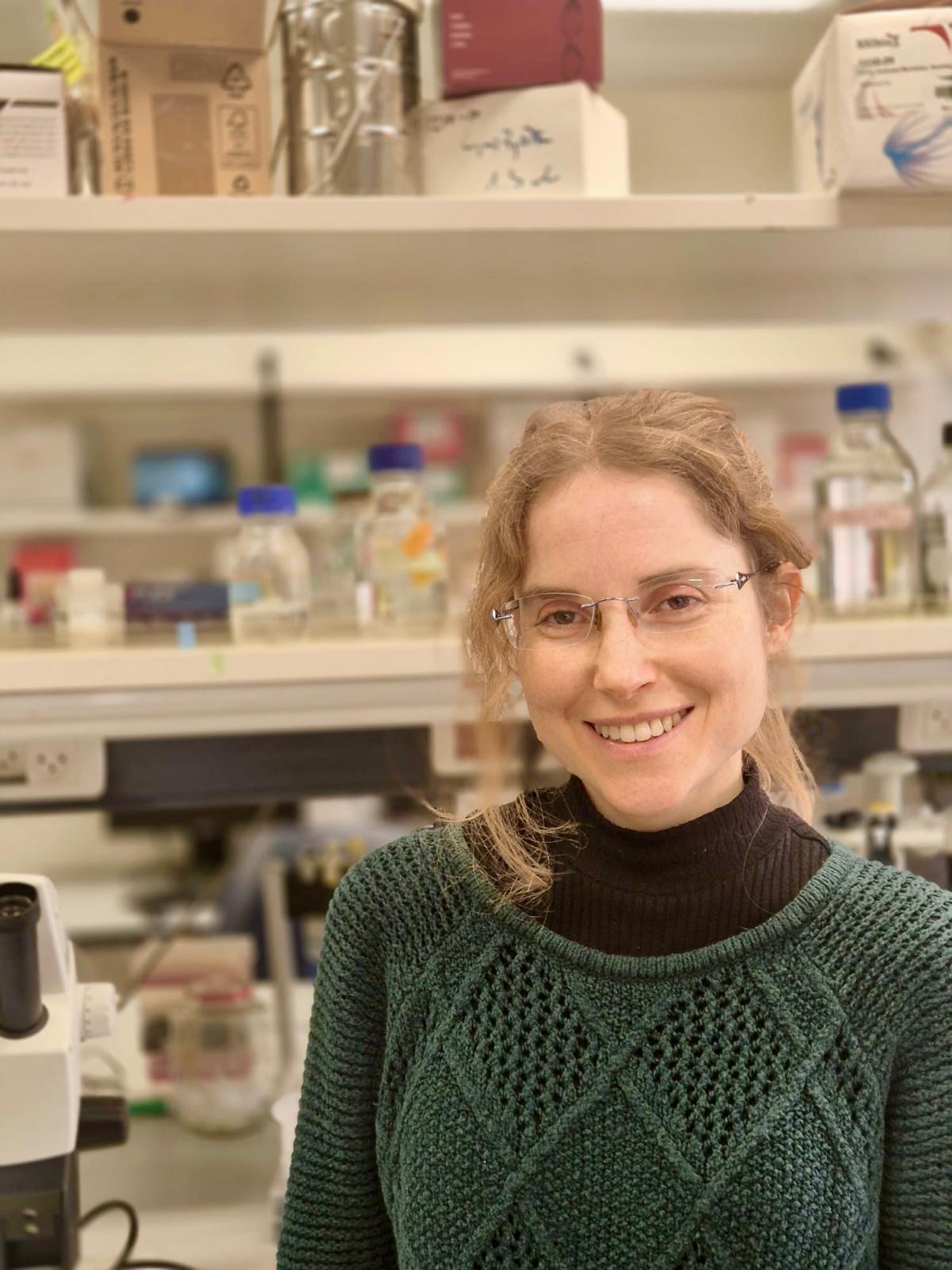
PhD student Alana Amelan at the Shifman Lab, Hebrew University of Jerusalem. (Courtesy/Reut Suliman Lavie)
“We now have an atlas of all the genes and how important they are for this process of generating neurons,” he explained.
PhD student Alana Amelan, who was the first author of the research paper, built an online website with results from the CRISPR screen, making the data accessible to scientists worldwide.
“Scientists around the world can explore the open database,” Shifman said. “We wanted to make the resource available so that researchers can identify new disorders that have not been identified before.”
He said the findings help explain how disruptions in different pathways can lead to various symptoms.
The study offers new evidence that developmental delay is more often linked to genes that are important for many parts of early brain development. In contrast, autism is more often linked to genes that are especially important when brain cells are forming into neurons.
PEDS1 mutations in East Jerusalem
In addition to testing genes in stem cells in the lab, the researchers also used mice to confirm their findings in a living brain.
Among the study’s findings, the researchers identified PEDS1 as a key enzyme with a crucial role in early brain development — and linked it to a severe disorder in children.
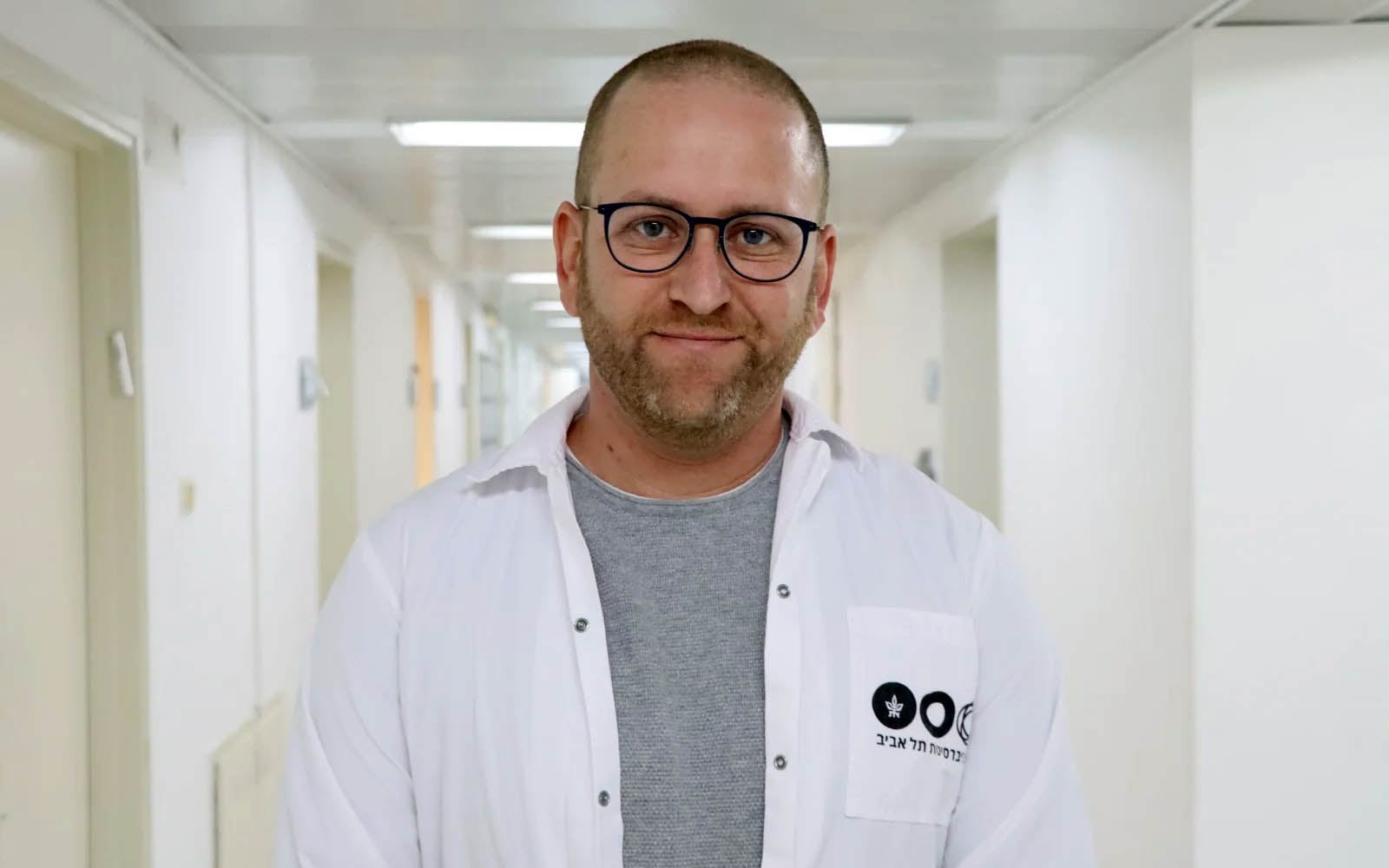
Prof. Boaz Barak, Sagol School of Neuroscience, the School of Psychological Sciences at Tel Aviv University (Courtesy of Barak)
PEDS1 is needed to help the body make certain needed fats for brain cells. These fatty molecules are necessary to form cell membranes and the insulating layer that allows nerve fibers to transmit signals efficiently.
In the CRISPR screen, the researchers found that disabling PEDS1 disrupted the formation of nerve cells and was linked to reduced brain size.
The scientists disrupted the gene in mice and found that it affected normal brain development and growth.
Shifman said the scientists identified rare PEDS1 mutations in two children in East Jerusalem. Both children showed severe developmental impairment, including developmental delay and reduced brain size.
“Until our study, the children were known as having a nameless disorder without knowing the cause,” Shifman said. The study provided the first explanation for their condition.
The research represents a major advance in “understanding how genetic disruptions affect early brain development,” said Prof. Boaz Barak of Tel Aviv University’s Sagol School of Neuroscience, who was not involved in the study, in a written reply to The Times of Israel. “By uncovering previously unrecognized genes involved in neurodevelopmental disorders and clarifying the mechanisms by which they disrupt brain development, this work provides powerful new tools that will ultimately support the development of future therapeutic strategies.”
Shifman said that there are many “very important questions” that the researchers still don’t understand.
“But we’re working on them,” he said.