
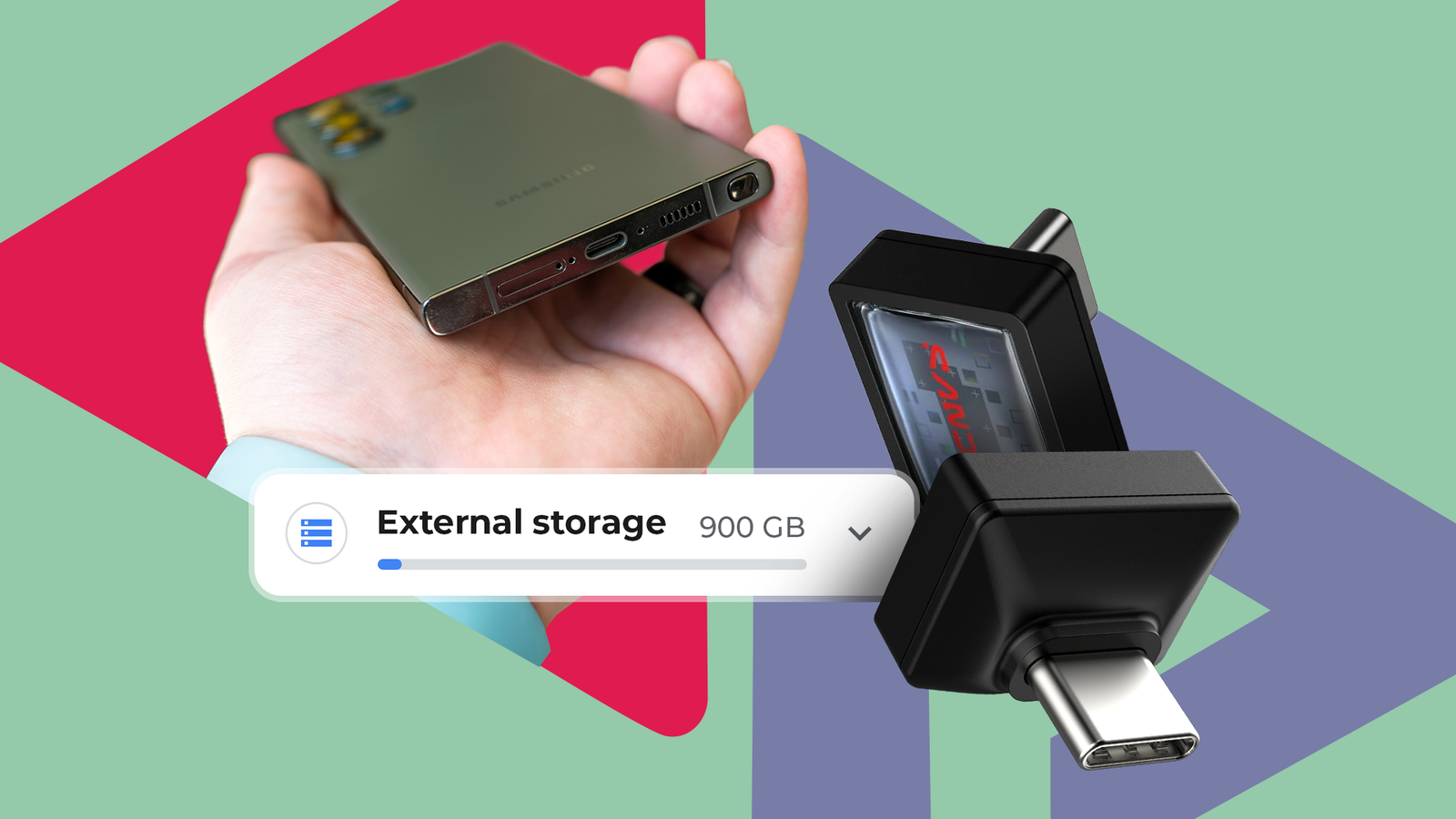
USB-C is now effectively the common connectivity standard for all phones, whether on the Android or iPhone side of the fence.
One major upside of this is that plenty of accessories can now plug directly into our phones, and that includes storage.
While most phones these days no longer support storage expansion via MicroSD card, they do support USB storage.
Whether it’s a USB SSD, a flash drive, or (with enough power) even an external spinning mechanical hard drive, you can directly access more storage from your phone.
Thanks to various factors, there’s never been a better time to take advantage of this.
Related
Phone storage upgrades are a scam — here’s how I beat them
Buying a 1TB phone might be the worst tech purchase you’ll ever make
Internal phone storage has quietly become expensive again
Unprecedented prices are affecting all technology
Credit: Hannah Stryker / Lucas Gouveia / Android Police
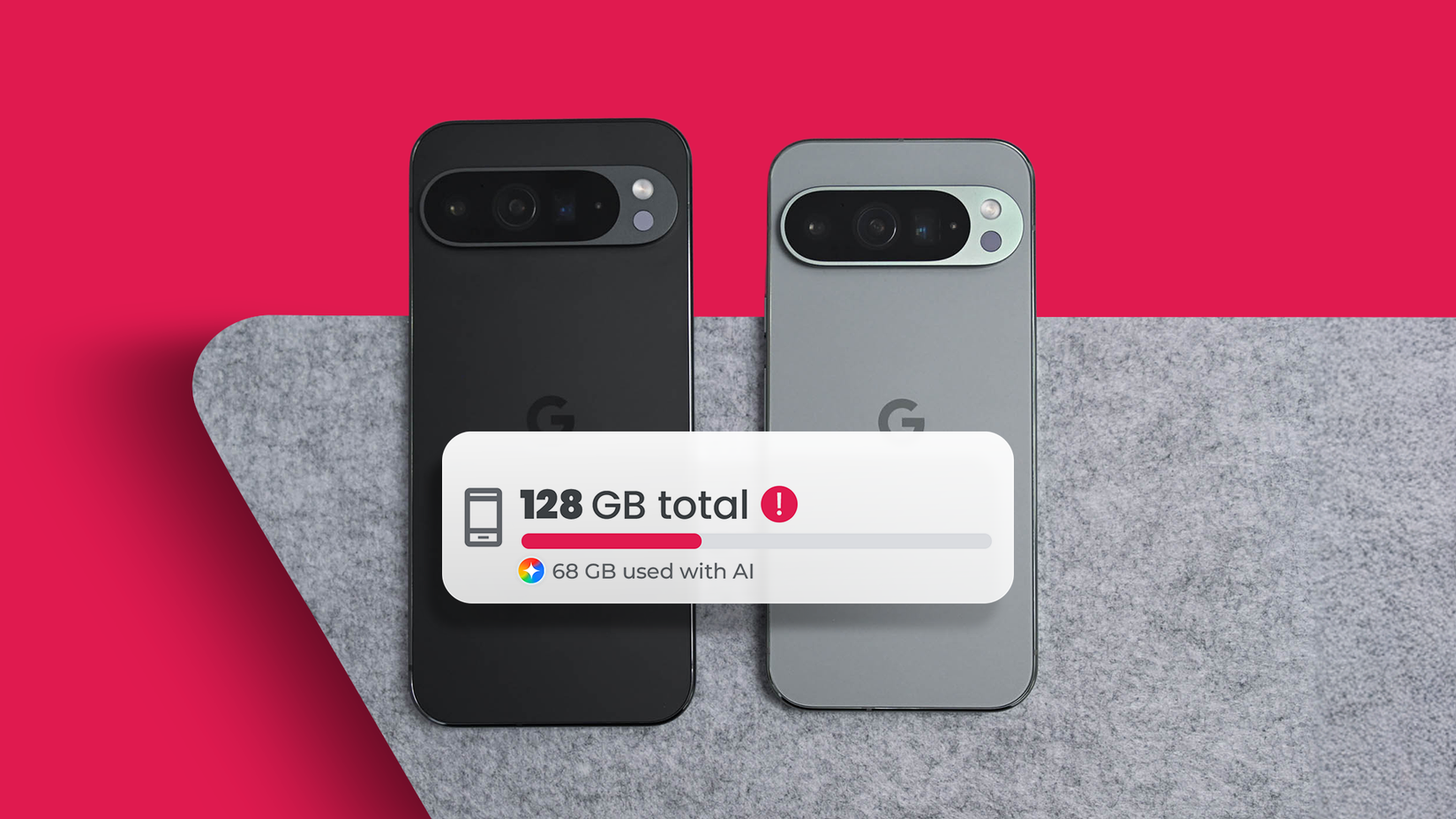
You may have heard of the “RAMpocalypse” where intense demand for DDR5 memory chips, driven by the AI industry, has driven RAM prices through the roof with no end in sight.
What you might not be aware of is that there’s upward pressure on SSD storage chips as well. Although, as of this writing, it hasn’t manifested to quite the same degree yet.
Even though smartphones don’t strictly have anything to do with distant AI data centers, they use the same fundamental memory chips for storage.
So don’t be surprised if your next phone asks a higher price for the privilege of more internal storage.
We might even see some manufacturers consider putting MicroSD card slots back into phones.
It would be even better if phones gained support for MicroSD Express cards (like those used in the Nintendo Switch 2), since these are effectively fast mini PCIe SSDs.
However, that’s in the future. In the here and now, your phone probably doesn’t have as much storage as you’d like. So you can use that USB-C port to do something about it!
USB-C turns phones into real external storage devices
What was once flaky is now a rock-solid solution
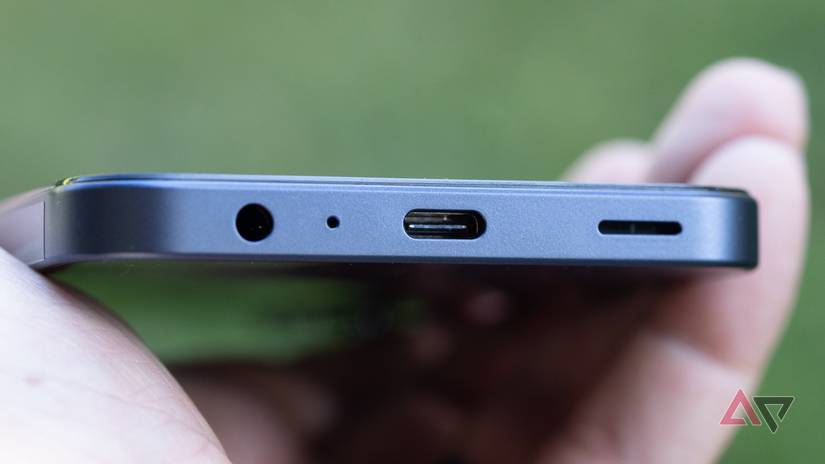
If you connect a USB-C drive to your Android device, it shows up as a storage target the same way an SD card does.
This means that you can freely move files to and from that drive. Even better, apps can directly access this storage too.
So, for example, if you were using VLC media player, you could play video and audio files directly from a USB-C flash drive.
That’s pretty handy on a flight or when sitting in a subway train!
Tiny USB drives no longer get in the way
The days of bulky flash storage are long gone
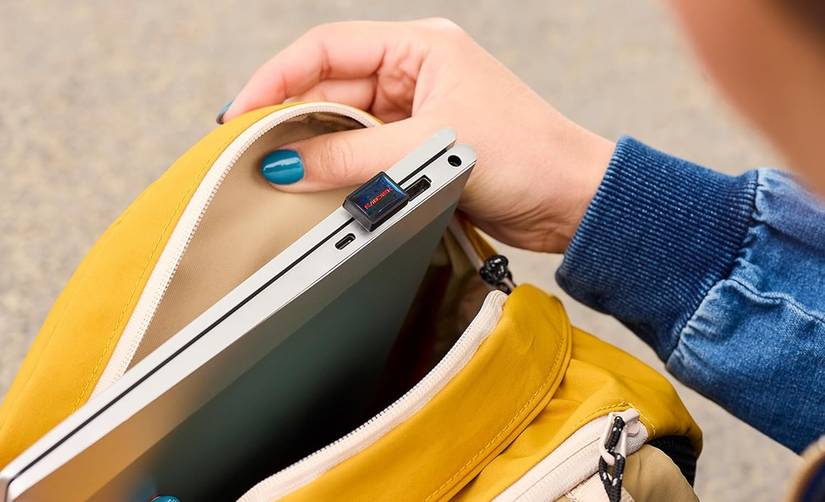
Credit: SanDisk
The main objection you may have to plugging external storage into your phone is probably that it’s awkward. You can’t use your phone with a big flash drive or portable SSD dangling from your phone.
Which means the only practical use is for file transfers, backups, and other temporary storage needs.
However, technology has moved on, and external storage doesn’t have to be bulky like this.
Over on the iPhone side of the fence, there are some neat MagSafe SSD solutions.
Some purpose-built USB-C SSDs for iPhone, like the Lexar 1TB Professional Go Portable SSD, work just as well on Android devices. After all, it’s just a USB-C storage device.
You can also use NVMe SSDs with your phone thanks to enclosures like this Satechi M.2 NVMe solution.
Possibly one of the best solutions is the SanDisk Extreme Fit family of low-profile drives. These range from 128GB up to 1TB of storage, and we’ve seen Android phones with cases using them with no problems.
While you can’t use wired charging with this tiny drive plugged in, most other things should be no harder to do on your phone than if the drive were absent.
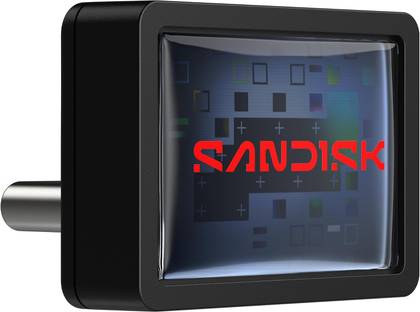
Capacity
128GB-1TB
Connection
USB-C
External storage now makes sense for everyday phone tasks
You can never have enough space with modern media
Credit: Lucas Gouveia / Android Police | GoodStudio / Shutterstock
We all have content on our phones that has risen sharply in size and quality, and that eats up paid cloud storage or what little storage is on our phones.
Connecting a USB-C storage device, whether temporarily or semi-permanently, can relieve that pressure for very little money and effort.
Whether you just want to offload your media files without pushing them through a cloud service first, or you want to make backups in addition to the cloud, this is a great way to do it.
Even better, by using the right apps, you can automatically sync files to an external drive.
This is the rare upgrade that actually saves money
Most upgrades turn out to be worth less than you thought
Everyone is in a different place when it comes to their next phone, their current phone, and the all-important budget.
However, it’s almost universally true that USB flash drives are much cheaper per gigabyte than the storage in our phones.
It’s easy to try out external storage with the phone you have right now, to see if it could become a normal part of your phone usage.
If it turns out that you’re happy to make use of this storage method, maybe your next phone might not need as much built-in storage as you thought, and that’s where the real savings will happen.