
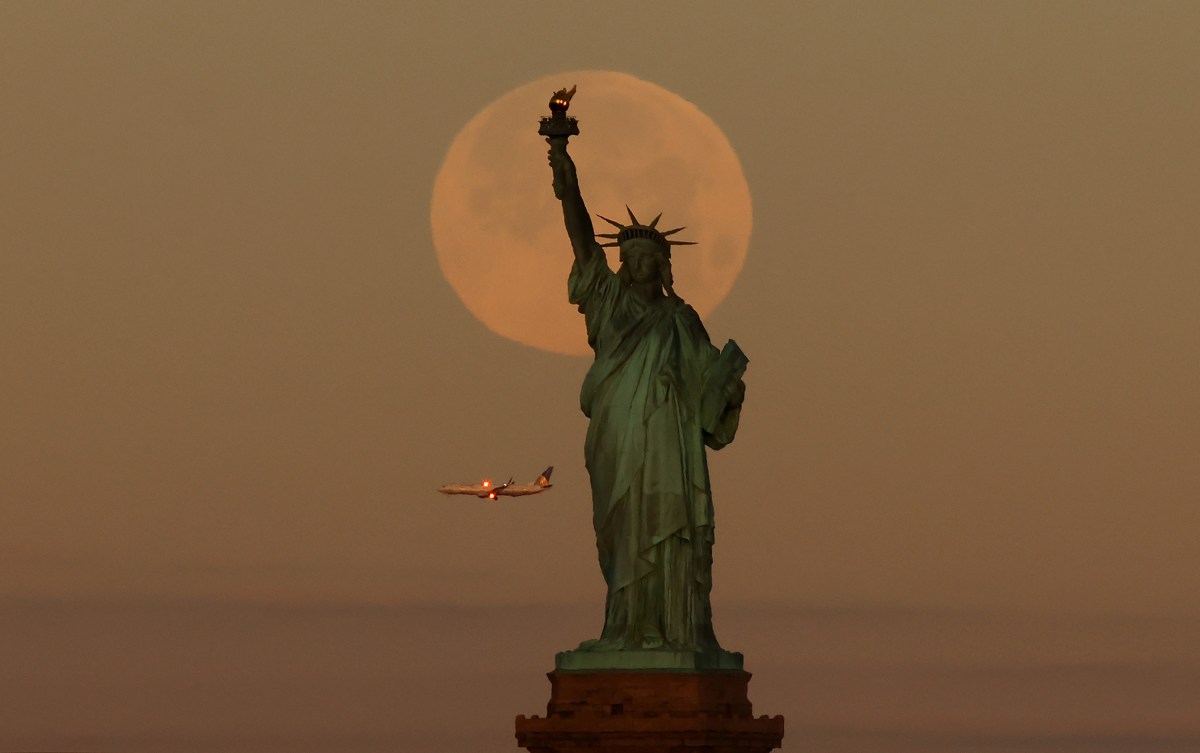
For those who would like to take their eyes off their screens and look at the beauty of the natural world, this year will offer several moments of skywatching magic, according to the Old Farmer’s Almanac.
According to the publication, a trustworthy source considering it has been been appearing continuously since 1792, these impressive events will not only be worth looking forward to—but will also be easy to observe.
These are the days you should mark on your calendar to remind yourself to look up at the night sky if you live in North America.
February 18–20, 2026
On Wednesday, February 18, Mercury will be “unusually close” to the Sun, making the tiny planet easier to spot. The best chance you have to see it, according to the Almanac, is to look just above the Moon roughly 45 minutes after sunset.
A day later, on Thursday, you will be able to find the planet shining bright next to the Moon. On Friday, Mercury will be at its highest point, shining above both Saturn and the Moon.
 March 3, 2026
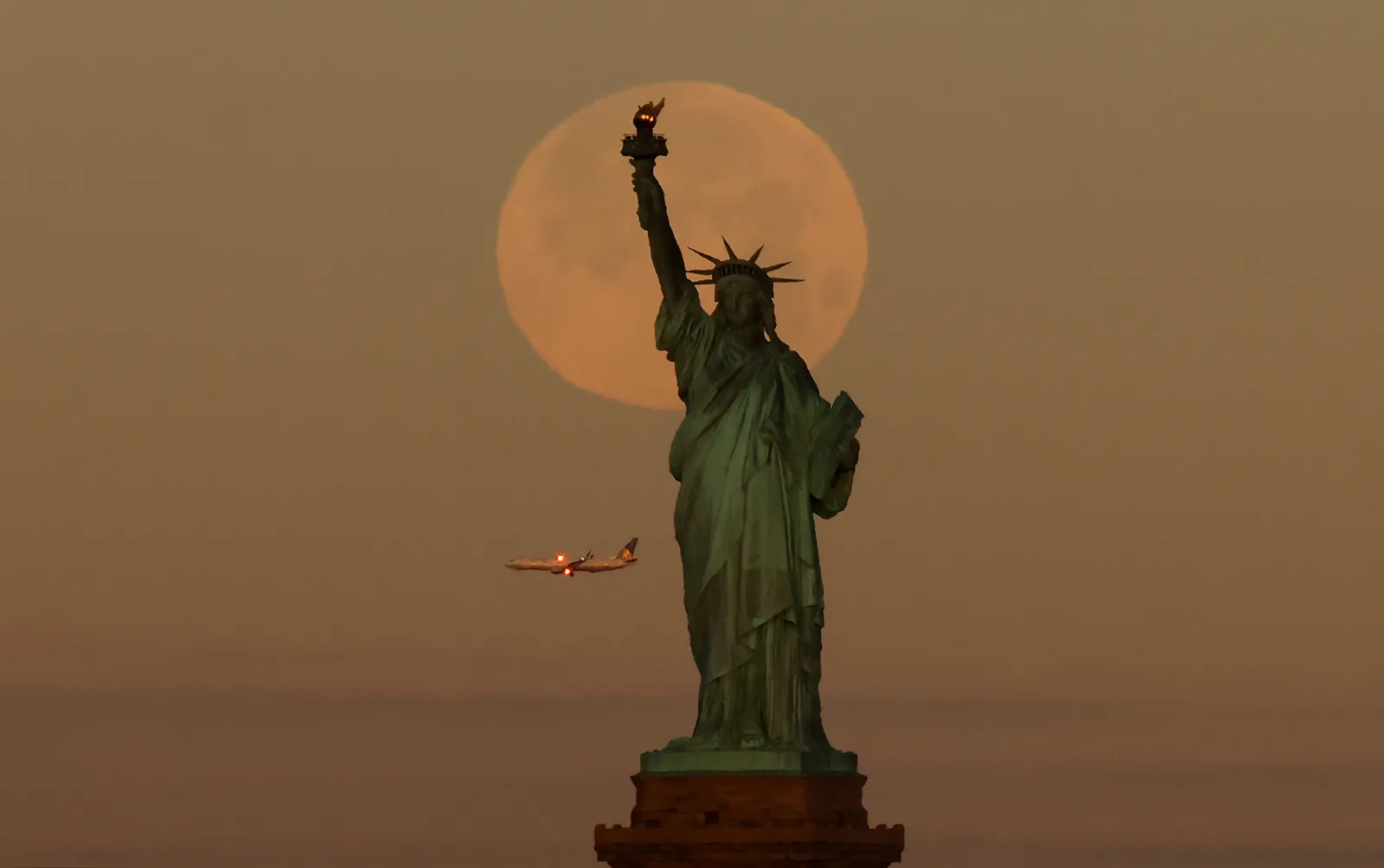
Not all of us are early risers, but March 3 might just present a good reason to set an early alarm. Just before sunrise, the full moon will darken and turn red for a total eclipse as it moves into Earth’s shadow.
The eclipse is expected to begin at 6:03 a.m. EST and last about an hour. Skywatchers across the western half of the U.S. will be able to see the entire eclipse from start to finish, while those along the East Coast will see the Moon set while the eclipse is still underway.
Either way, it is worth marking in your calendar: a total lunar eclipse will not be visible again in the U.S. until June 2029.
June 9, 2026
On June 9, Venus and Jupiter will come together appearing as a “double planet,” according to the Almanac. Venus will be able to be spotted in the night sky, as it is the brightest star.
August 12–13, 2026
From late night to early morning of August 12 and 13, skywatchers will be able to admire the famous Perseids, or shooting stars. According to the Almanac, the best day to keep your eyes peeled on the sky will be August 13 after midnight: skywatchers could see 60 to 100 meteors per hour “in a truly dark sky.”
The best recommendation is to get away from bright lights.
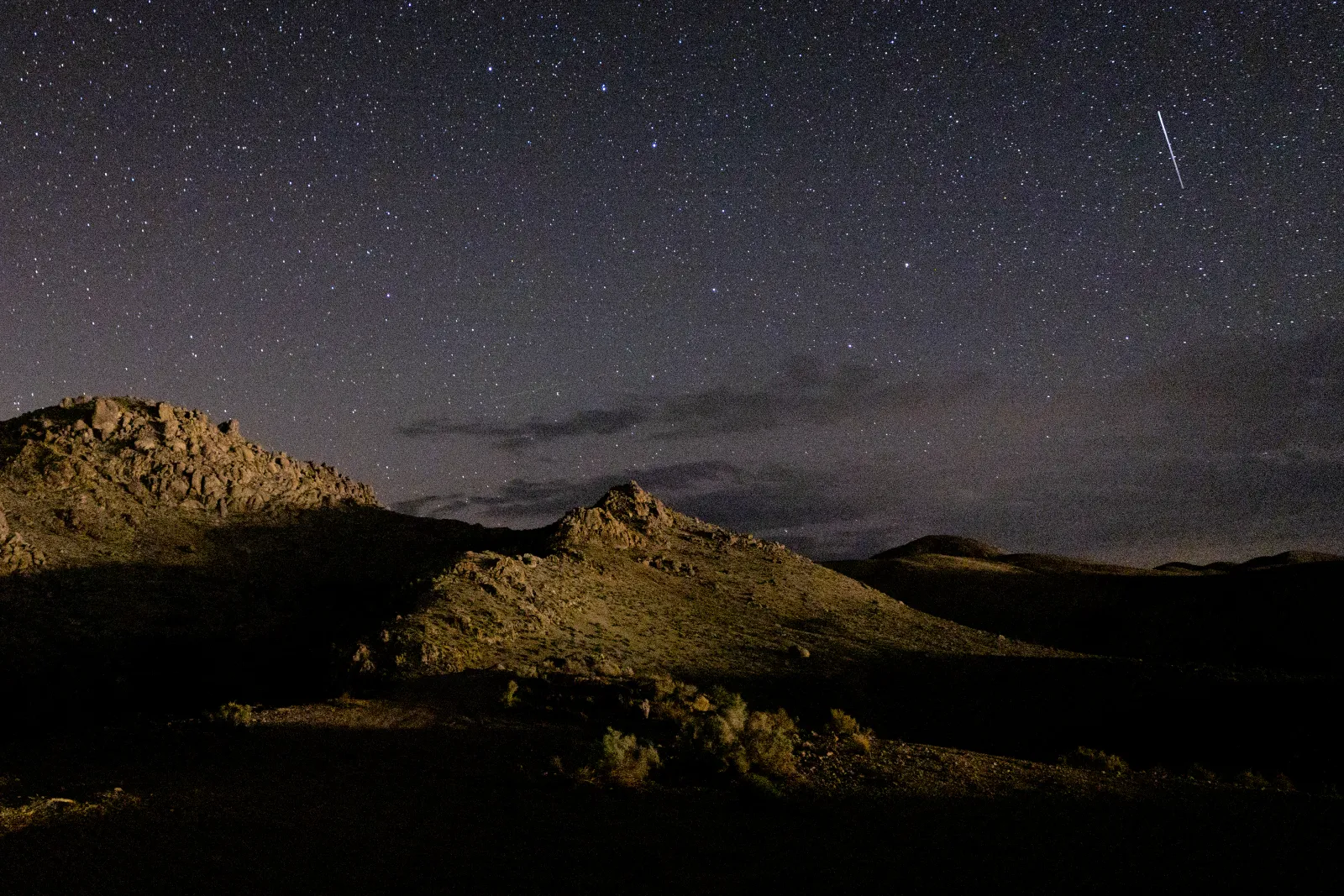
On August 12, parts of the U.S. will also be able to witness a partial solar eclipse, but the Almanac warns it would be a “very subtle event.” Either way, it should not be observed without wearing proper eye protection.
August 27–28, 2026
Maybe not as exciting as the total lunar eclipse in March, but August will offer a partial lunar eclipse that will look “almost” like a total one. The best time to watch it will be around midnight, while the eclipse will reach its peak at 12:12 a.m. EDT on August 28, when 93 percent of its surface will slip into Earth’s shadow.
October 6, 2026
Just before sunrise on October 6, the Moon and Jupiter will rise unusually close together, the Almanac said, “creating one of the year’s easiest sky sights.”
This is an event “for beginners,” the publication wrote, with no need to whip out a telescope.
November 7, 2026
On November 7, the Moon and Venus will gather with a blueish star called Spica, whose light has taken about 250 years to reach us. That is around the time the Declaration of Independence was signed.
December 13-14, 2026
December will offer another chance to admire shooting stars for those who have missed it in August, or have not had enough.
Under truly dark skies (keep away from big urban centers), skywatchers could be able to see “up to 120 slow, graceful shooting stars per hour, ranging from faint streaks to bright meteors and occasional fireballs,” the Almanac said.
While the best chance to see them is around 2 a.m., they will be visible before midnight as well.
December 23, 2026
You know the classic picture of Santa Claus and his reindeers flying over the full moon which you can find in Christmas cards? This year, it could be possible (if Santa showed up), as the full moon will rise above North America’s sky on December 23.
According to the Almanac, it will be “big, bright, and beautifully round”—what we call a supermoon.