
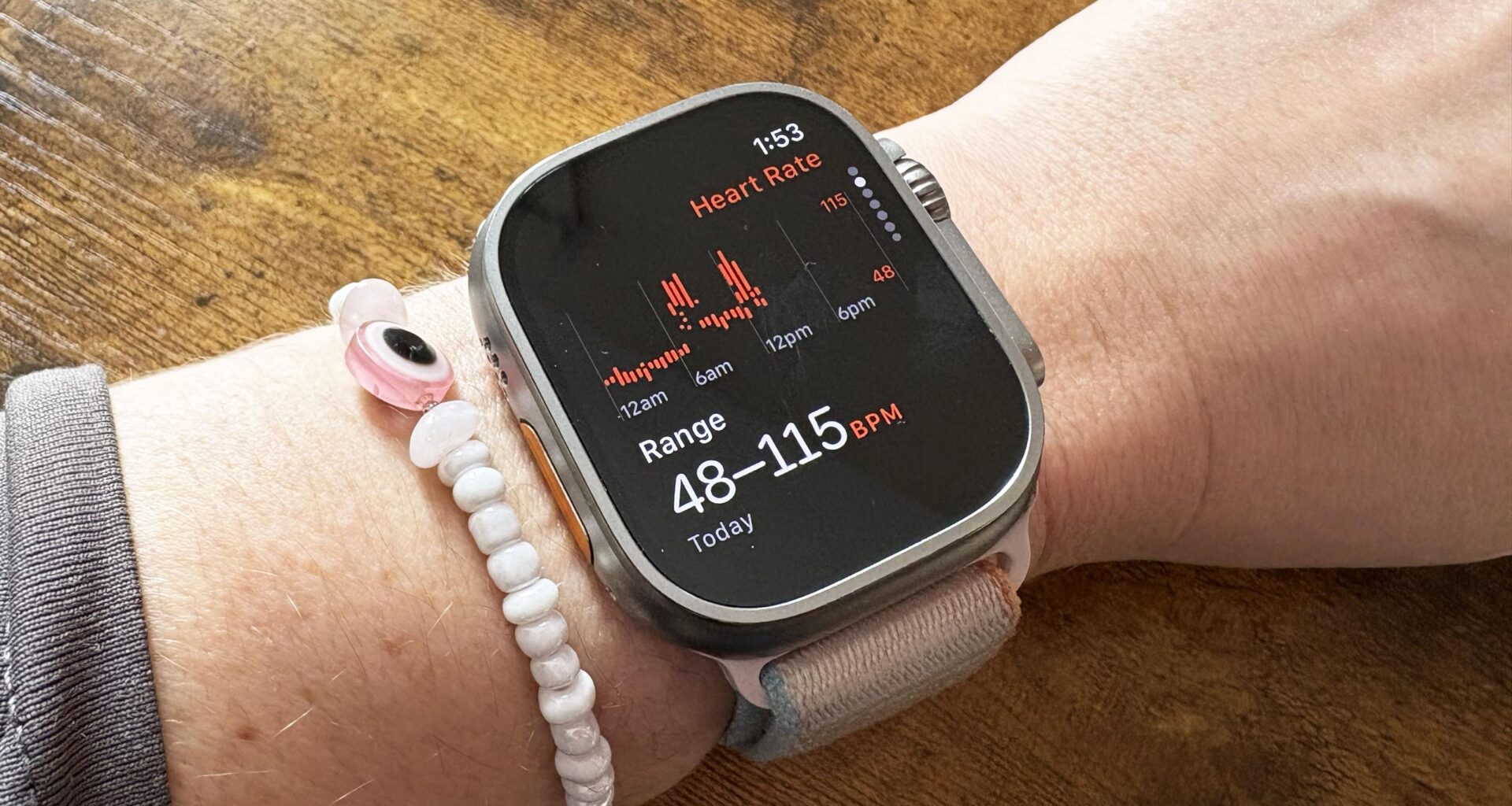
Your Apple Watch typically measures your heart rate every five minutes when it’s on your wrist, but did you know there are a few tweaks you can make to ensure these measurements are as accurate as possible?
I’ve been wearing an Apple Watch on my wrist for the past decade and writing about them frequently in my job as Tom’s Guide’s fitness editor, but after doing some research, some of these settings were new to me. If you’re using an Apple Watch to keep track of your health and training, read this article.
5 Settings you should check or change right now for more accurate heart rate monitoring on your Apple Watch 1. Check that your personal information is accurate
If you’re like me, it’s unlikely you check your personal information all that often. Whether you’re wearing an Apple Watch to lose weight or get in better shape, it’s likely your weight may have changed. Weight significantly affects heart rate — individuals with higher body weight typically have a higher resting heart rate. As you lose weight and get fitter, this may change, and your heart rate will decrease during rest and exercise.
You may like
One of the easiest ways to ensure this is accurate is to invest in one of the best smart scales that can connect to your Apple Watch and send data without you having to log into the Health app. If you don’t have a smart scale, you’ll manually change the data using the Health app on your iPhone.
It’s also worth remembering that this is where you log any medication that may be affecting your heart rate.
2. Make sure Wrist Detection is turned on
This is a simple, but important setting. Wrist Detection must be turned on to measure your background, resting and active heart rate accurately. Turning this off automatically disables automatic heart rate tracking.
(Image credit: Future)3. Double-check the fit of your watch (and give it a clean)
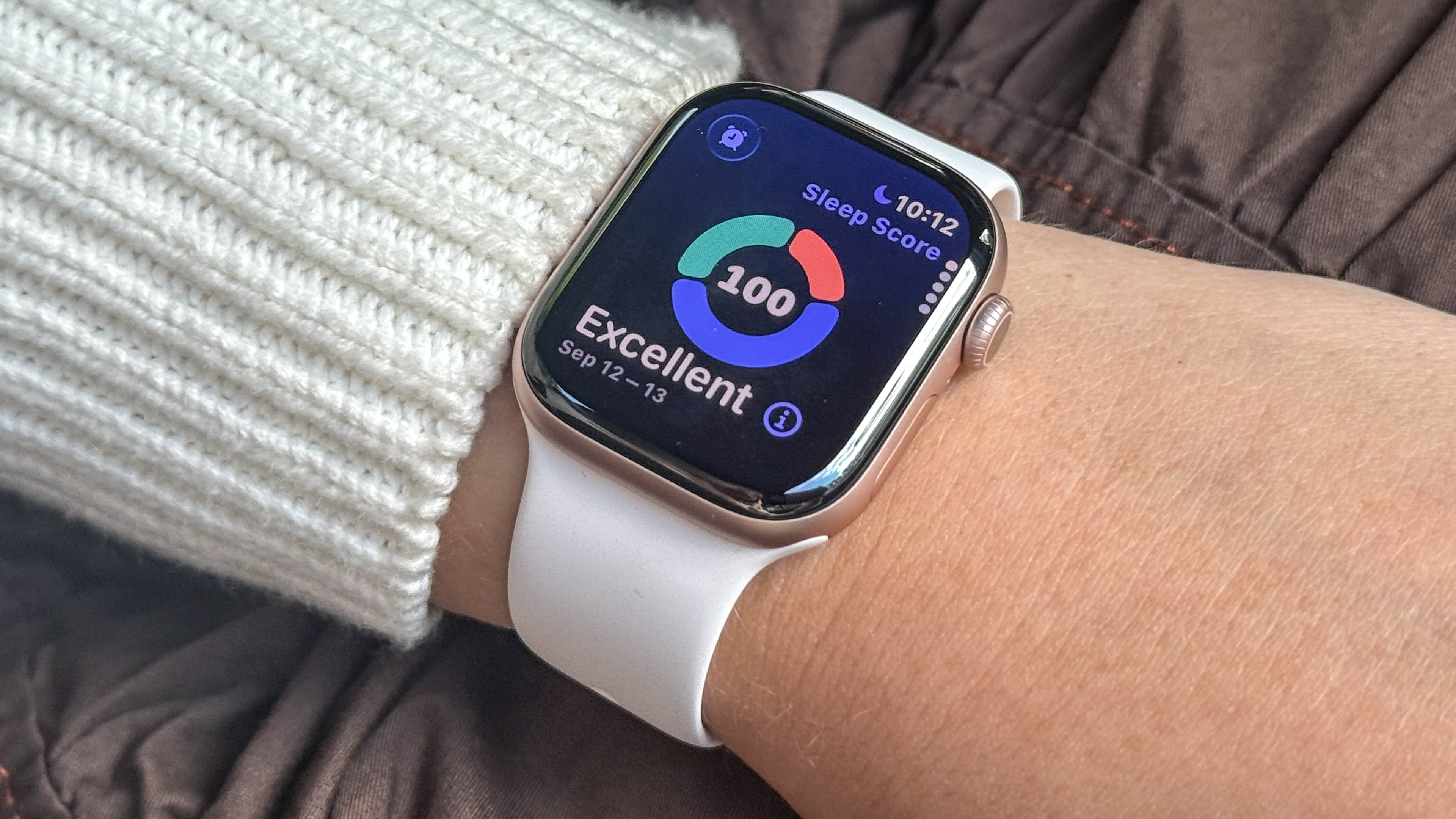
All Apple Watches measure your heart rate using an optical heart rate sensor. This works by shining light into the skin and measuring the light reflected. For your watch to do this well, it needs to fit properly. Your watch should be snug against your wrist — not so tight that it’s cutting off your circulation, but tight enough that it doesn’t move.
It’s also worth noting that if you flip your watch to the underside of your wrist during strength sessions to avoid your weights hitting your watch screen, the reading will be affected. The reading will also be affected if the back of the watch that sits against your skin is dirty due to a build-up of sweat or body lotions, so be sure to clean your Apple Watch regularly.
Finally, tattoos can interfere with this optical sensor, so if you do have tattoos on your wrist, wear your watch on the other wrist if possible, or connect an external chest strap to your Apple Watch during workouts to get a more accurate reading.
4. Check your privacy settings
Another simple fix, but if your Apple Watch isn’t recording your heart rate, check your privacy settings. Open the Watch app on your iPhone, tap Privacy, and ensure Heart Rate is enabled. You’ll also need to do this if you plan to share your heart rate data with a third-party app on your Apple Watch.
You may like
(Image credit: Future)5. Use proper workout types
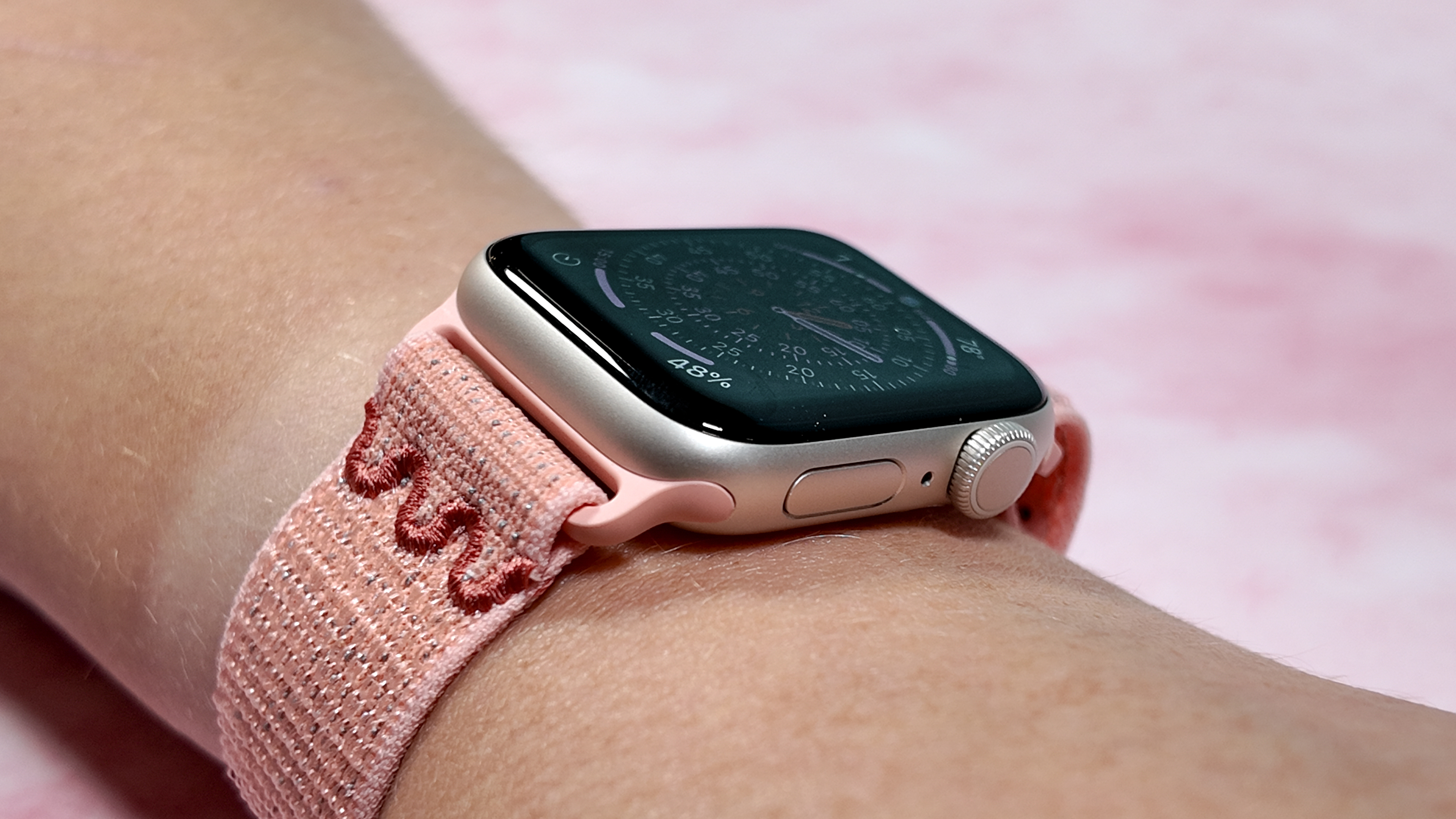
Your Apple Watch will record your heart rate throughout the day, but for more accurate heart rate monitoring, it’s recommended that you select the right workout types.
This is especially important if you’re not moving predictably. For example, if you’re heading out for a walk and holding a dog’s leash or pushing a stroller, this might affect your arm swing. Manually selecting Outdoor Walk mode allows your watch to provide better, more accurate readings.
Remember, you can always check your heart rate at any time by opening the Heart Rate app on your Apple Watch and taking a reading.

Follow Tom’s Guide on Google News and add us as a preferred source to get our up-to-date news, analysis, and reviews in your feeds.
More from Tom’s Guide