Although The Sopranos might often be listed as one of the best TV shows of all time, there is a good reason for the outsized reputation of David Chase’s series. While David Lynch’s Twin Peaks revolutionized television, the iconic mystery series is generally only viewed as a precursor to the Second Golden Age of Television.
Similarly, while legendary ‘90s shows like The X-Files, Buffy the Vampire Slayer, and ER helped pave the way for the Second Golden Age of Television, the era itself only began around the turn of the millennium. Many shows are credited with its inception, from Sex and the City to The West Wing to Six Feet Under.
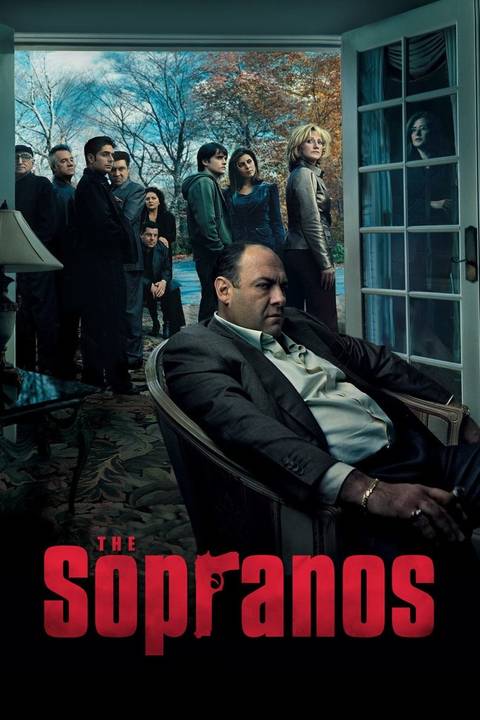
However, none of these shows shaped the Second Golden Age of Television quite like David Chase’s suburban mob saga The Sopranos. One of the most enduringly popular TV shows of all time, The Sopranos focused on James Gandolfini’s Tony Soprano, a New Jersey mob mogul who struggles to balance family life with the darker side of his criminal enterprises.
The Sopranos Changed Television
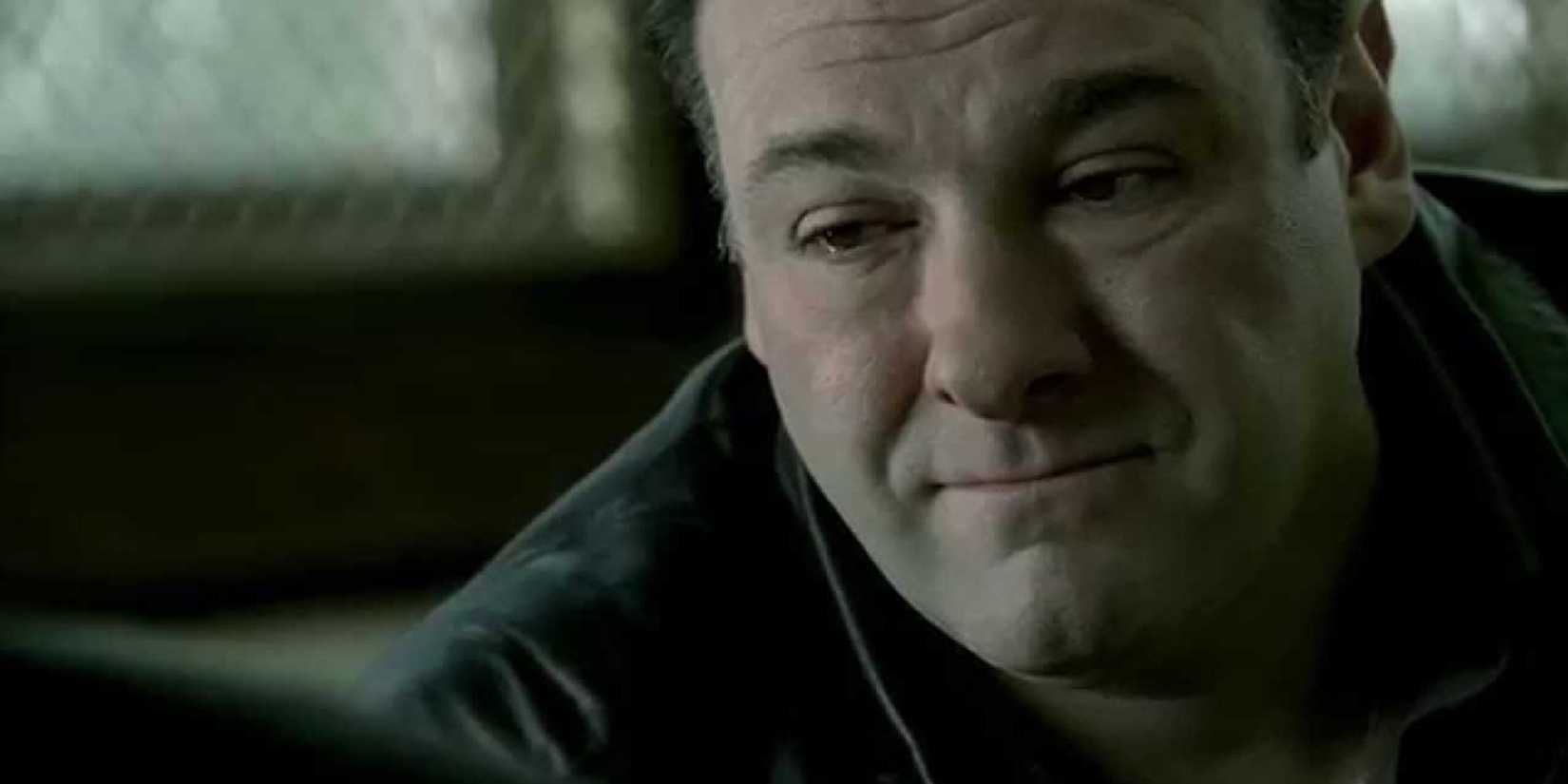
Tony talks to Junior in The Sopranos finale
In a fresh, original spin on the familiar gangster story, The Sopranos began with Tony starting to attend regular psychiatrist visits due to his panic attacks. Lorraine Bracco’s Dr. Melfi led Tony to share the struggles of running an illegal empire while trying to keep his family together, both in terms of his immediate nuclear family and the larger mob.
While Gandolfini was nothing short of mesmerizing in his career-best turn as the mercurial Tony, Edie Falco’s role as his wife, Carmela, was also a revelation. Bracco more than held her own as Dr. Melfi, ensuring that The Sopranos never felt like an extended comedic sketch where a mob boss is taught to access his feelings by a therapist.
However, what was truly innovative about the series was its approach to storytelling. Right up to the infamously divisive finale of The Sopranos, the show constantly pushed the boundaries of TV narrative storytelling. Side characters had entire episodes devoted to them, and seemingly pointless subplots eventually became pivotal long after they had appeared to be irrelevant.
Centering a deeply flawed antihero allowed The Sopranos to examine the rest of its cast of characters with a similarly unsparing lens, encouraging viewers to empathize with deeply flawed, almost irredeemable figures. This paved the way for Breaking Bad, Mad Men, Deadwood, The Shield, House of Cards, Game of Thrones, and Succession.
The Golden Age Of Television Only Happened Because Of The Sopranos

However, this wasn’t the only innovation involved in the show’s approach. Since The Sopranos had such a sprawling cast of characters, the series was able to slip seamlessly between perspectives in a way few dramas had attempted before. Interestingly, this technique was mostly utilized in soap operas before The Sopranos brought it to the mainstream.
As a result, shows like Game of Thrones, Friday Night Lights, and The Wire could trust viewers to follow a series of loosely connected storylines simultaneously without needing firm reassurance that they would soon overlap. In retrospect, the plotting of The Sopranos almost seems tight in comparison with the patiently paced storytelling of later critical successes like The Leftovers.
However, it is vital to remember that, when the show originally aired, a series taking this broad, immersive approach to storytelling was unfamiliar on cable TV. The story of The Sopranos took in dozens of characters, many of whom seemed only tangentially related to Tony and his family, and this made the world of the series feel real and lived-in.
How The Sopranos Inspired Other TV Dramas
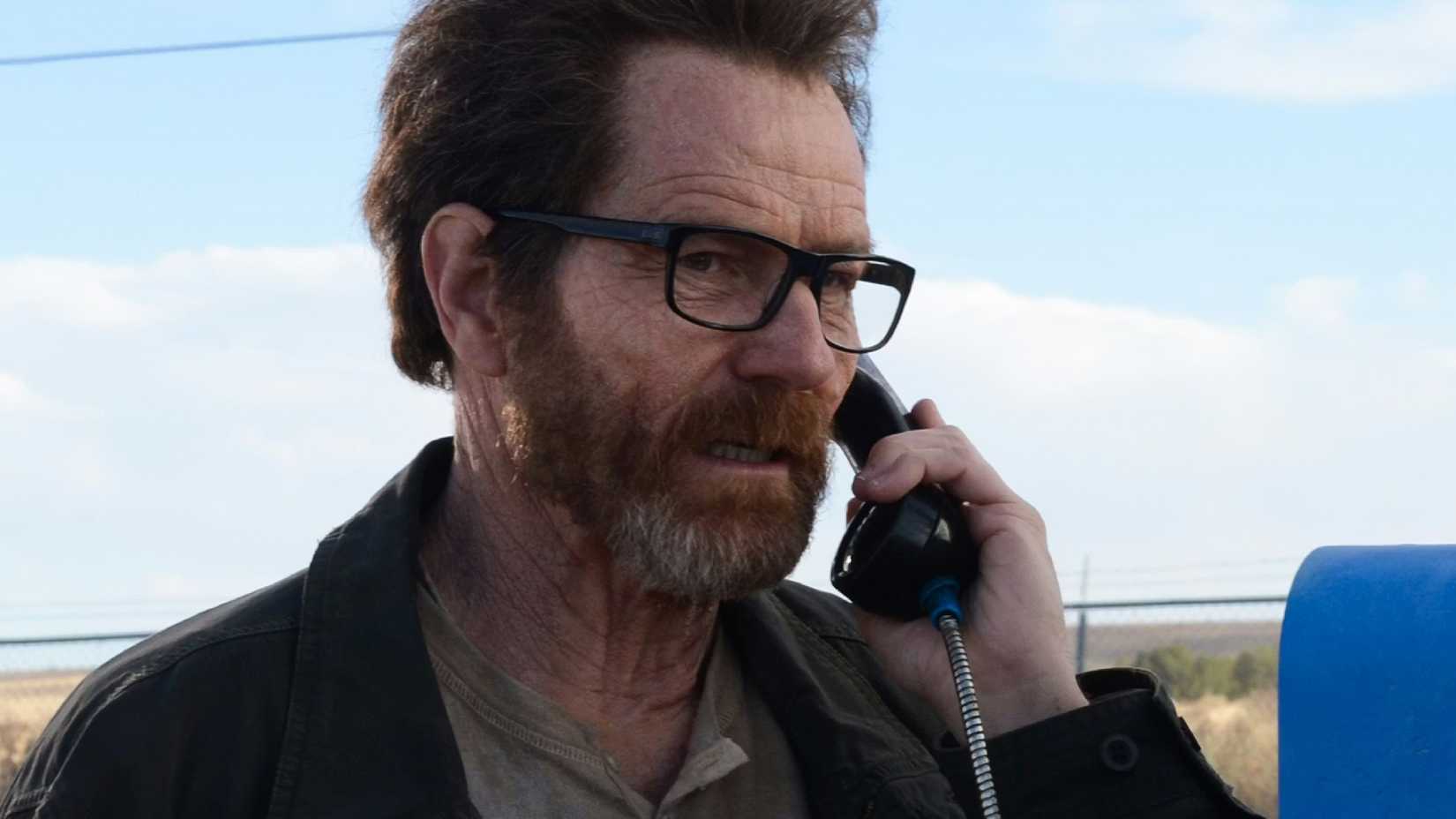
Bryan Cranston as Walter White on the phone in Breaking Bad
By encouraging viewers to seek out the humanity underneath a deeply troubled, genuinely dangerous protagonist, The Sopranos paved the way for the villain protagonists of Dexter, Breaking Bad, and Game of Thrones. Meanwhile, by deconstructing the life that shaped him into a monster, The Sopranos anticipated the more poignant story elements of Succession and Mad Men.
While neither Succession nor Mad Men entirely excused the misdeeds of their male leads, both shows did interrogate the ways that their childhood and adolescence made them the ruthless, amoral people they were. Meanwhile, the many great episodes of The Sopranos that didn’t focus on the titular family’s patriarch shaped another major TV trend.
The Wire famously managed to offer a bird’s eye view of a community that felt lived-in and deeply human by unsparingly portraying the drug trade from every angle. Cops, dealers, small-time crooks, major criminal overlords, corrupt politicians, local media, educators, and everyday civilians all got storylines of their own.
Has The Sopranos Aged Well?
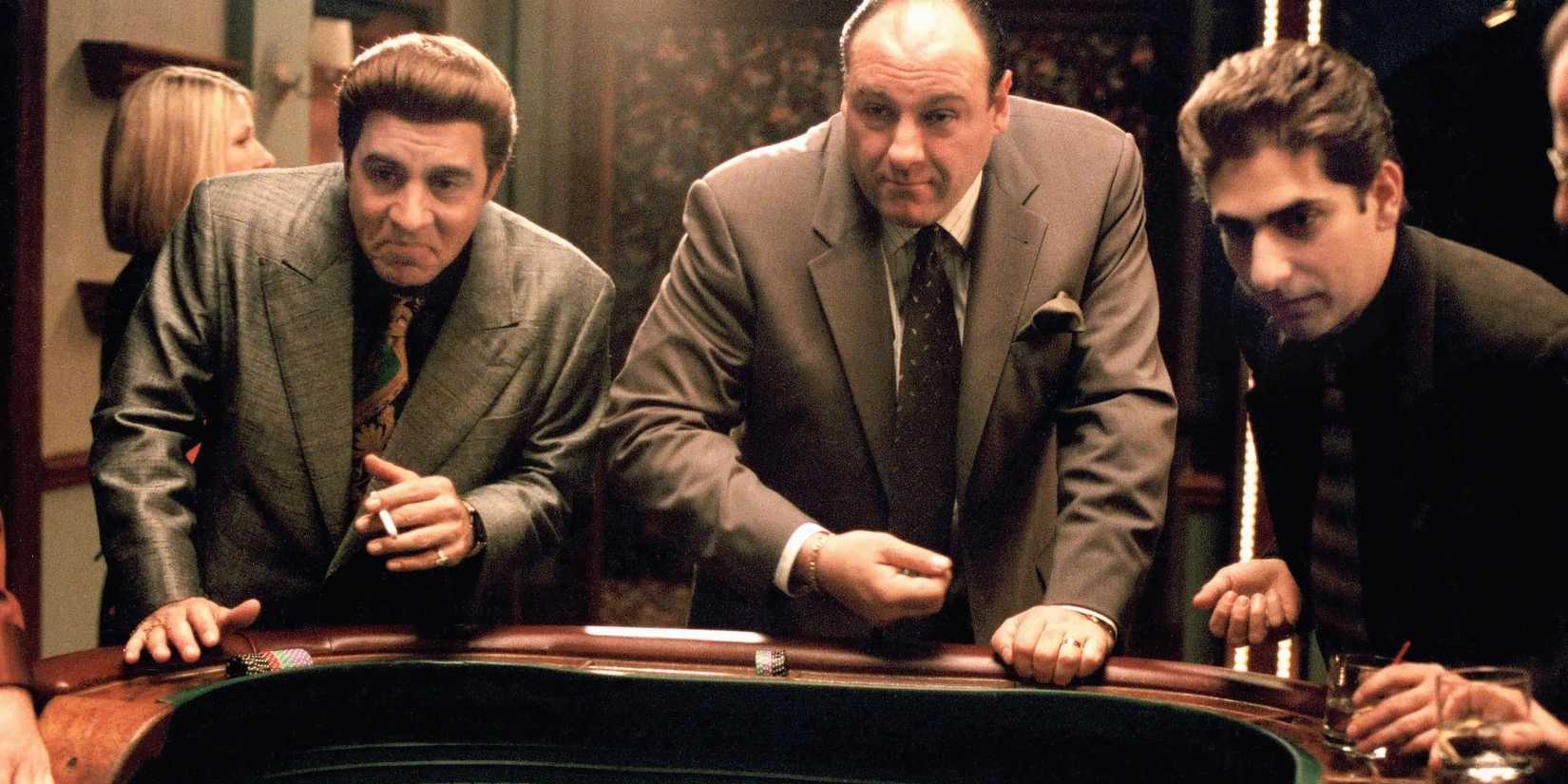
Tony at the casino in The Sopranos
There is a reason that The Wire is also often named the best show of all time, and it is because the series gave the same depth of humanity to all of its characters. However, this approach was pioneered by The Sopranos before creator David Simon’s show ever began.
The Sopranos was one of the first shows to look at the intertwined lives of its massive cast of characters and, without judgment or mercy, depict the ways that they shaped each other’s fate. While its innovations might not seem so striking anymore, since they have now become commonplace, The Sopranos still remains one of TV’s greatest dramas ever.
Release Date
1999 – 2007
Network
HBO
Showrunner
David Chase

James Gandolfini
Tony Soprano