
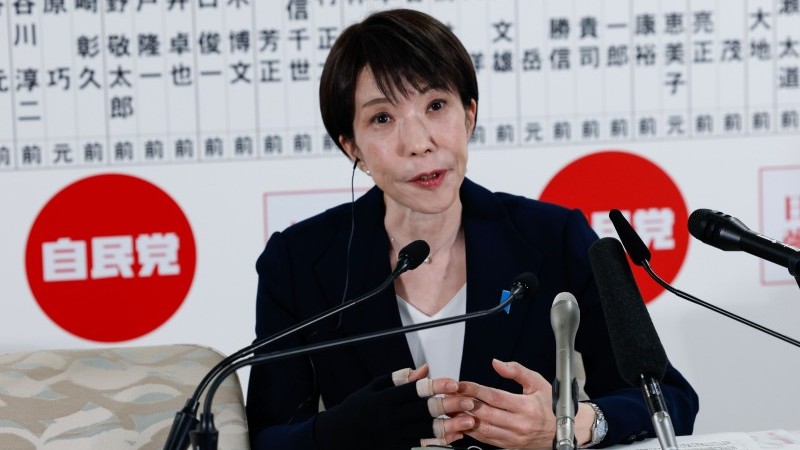
While awaiting the results, Takaichi spoke on television, emphasising the importance of fiscal sustainability. She mentioned that she would speed up discussions on reducing the food tax. Additionally, Takaichi clarified that her comments about the weak yen had been taken out of context and stated she aims to build an economy resilient to FX fluctuations. Finance Minister Katayama has begun reassuring markets, but concerns will remain about aggressive fiscal expansion.
Today’s election results will likely boost local equities but weigh on Japanese government bonds and the yen as we argued in our recent Japan election preview article.
JGB yields may exceed the latest high of 2.38% soon (currently at 2.23%) due to spending concerns. However, authorities intend to ensure that no additional bonds will be issued to fund the two-year food consumption tax reductions. If they can show their ability to implement this plan, it may provide some reassurance to the market and limit the pace of rate hikes. Nevertheless, it is our assessment that while this measure may moderate the pace of yield rise, it is unlikely to alter the overall trajectory of rising yields, as we believe that we will see more fiscal spending in defence and capex investment in AI and digital transformation. Also, the fiscal stimulus with solid wage growth will set inflation expectations higher, which will push up yields further.
On the JPY, we anticipate that the USDJPY will approach the 160 level once more, though there will likely be a struggle between the market and the authorities near the 159 mark. However, once the rate differentials begin to narrow, then the USDJPY is expected to change its course to appreciate in the second half of 2026.