
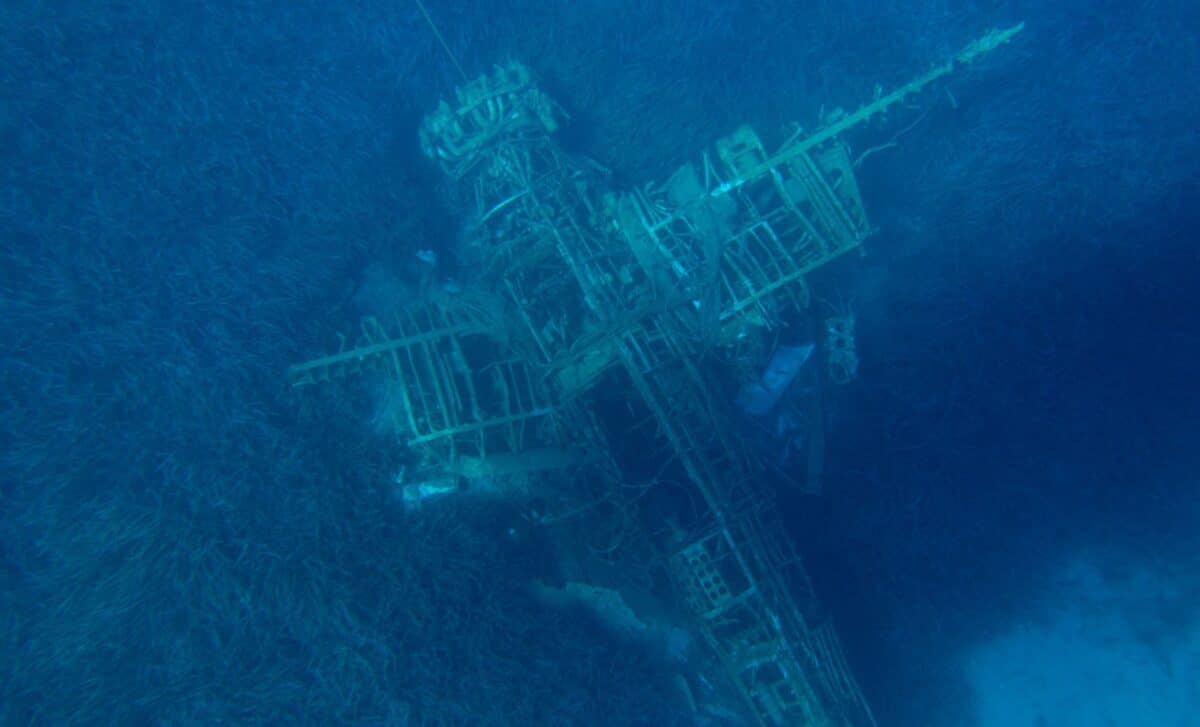
An underwater robot has uncovered a long-lost wreckage of a Second World War bomber on the seabed near Malta. The remains, identified as a Fairey Swordfish, were found during an autonomous exploration of the ocean floor, adding a significant historical find to the growing body of World War II wreck discoveries. The robot’s discovery, which had to wait until it resurfaced for confirmation, is another step forward in using advanced technology to uncover hidden relics from the past.
This breakthrough comes as part of a growing trend in underwater exploration, where robots play an essential role in finding and studying submerged relics. By using advanced technology to explore deep-sea sites, researchers are uncovering historical artifacts that were once difficult or impossible to access.
Fairey Swordfish: The Aircraft That Changed WWII
Chris Clark, a researcher at Harvey Mudd College in California, was overseeing the mission when the autonomous submersible was deployed to search for wreckage on the seabed near Malta. The robot, designed to operate independently, could not communicate its findings in real-time, adding an element of suspense to the process.
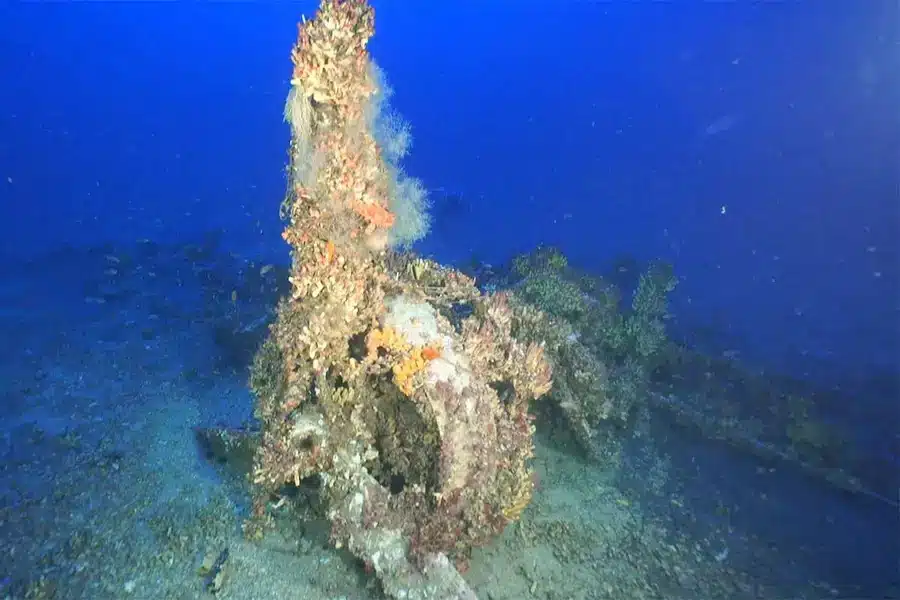 The wreckage of the Fairey Swordfish discovered off the coast of Malta. Credit: Maltadives
The team patiently waited for the seafloor explorer to resurface, knowing that the dive could uncover significant historical remains. According to Clark, the process of waiting for the robot’s return involves a mix of excitement and speculation.
“We could have gone back to shore, but we prefer to sit out there babysitting it, chit-chatting and hypothesizing about what it might find,” he remarked, as quoted by New Scientist.
This approach underscores how the use of technology in archaeology is about the experience of discovery and the anticipation of what lies hidden beneath the ocean’s surface.
Robots: The Key to Unlocking Lost Histories
While the technology behind the Autonomous underwater vehicle (AUV) is impressive, the human element of the search remains a vital part of the process. The underwater robot, which operates autonomously, is an example of how technology can complement the efforts of researchers.
“It is dangerous and time-consuming to send divers to look for wreckages, so obviously, we need to get robots down there,” Clark explained
As the robot scans the seabed, the team remains on standby, awaiting its return with news of its discoveries. “It is a piece of history,” Clark noted.
The combination of cutting-edge technology and human patience has made the discovery of the Fairey Swordfish wreck possible. With each mission, the team is uncovering more pieces of history that were once buried in the depths of the ocean.