
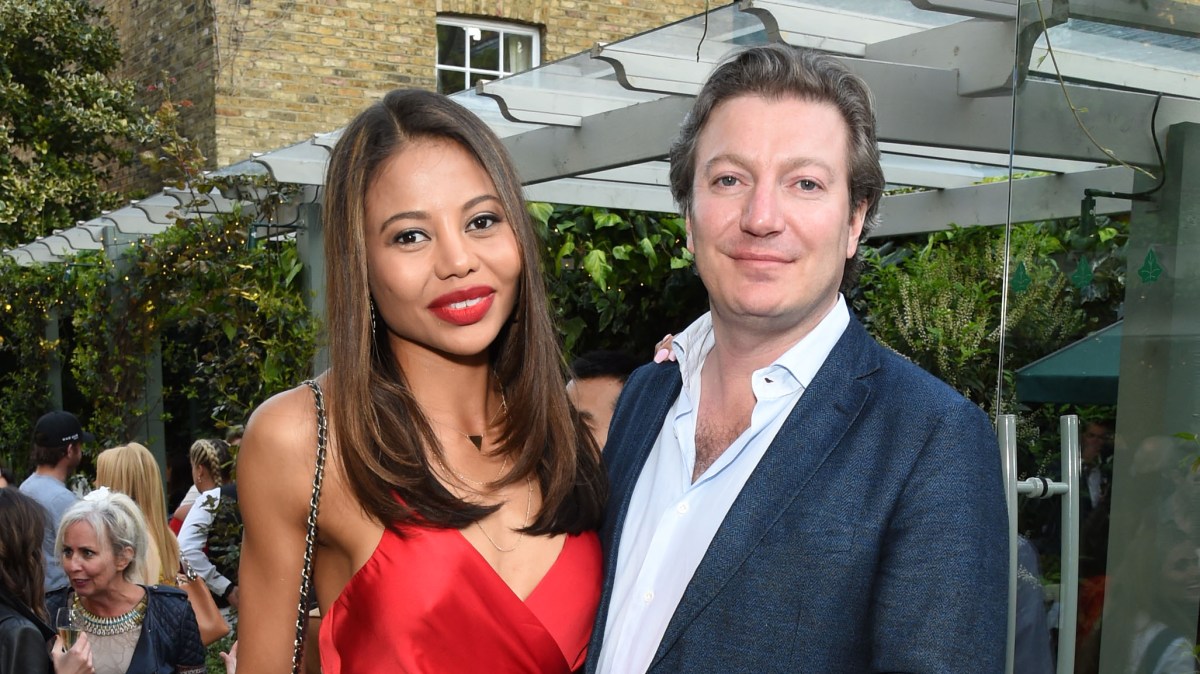
An aristocrat is backing legal action to ensure that his son born via a surrogate mother can inherit a share of the family fortune.
The 8th Marquess of Bath is supporting the trustees of his family fortune in recognising the legitimacy of his younger son, Henry, despite the historical descriptions of family relationships in legal settlements.
Henry, nine, is the biological child of the marquess, Ceawlin Thynn, and his wife, Emma, Marchioness of Bath, but there are concerns about inheritance and tax issues because he was born to an American surrogate mother in the US.
The couple, who married in 2013, had their second child by surrogacy after the marchioness suffered hypophysitis, a swelling of the pituitary gland, during her first pregnancy and was warned a second birth could prove fatal.
Thynn, 51, who runs the 9,000-acre Longleat estate on the Wiltshire-Somerset border, described their joy after Henry was born in December 2016, two years after the birth of his heir, John, 11.
“It is a wonder of modern science that the Longleat Bath family has been completed (for now at least) by Emma and I having a much-loved son, helped so crucially by a tremendous surrogate in California, to extend our family,” he said.
• Will Britain lose something when hereditary peers exit the Lords?
His wife, 39, a fashion model and former contestant on the BBC’s Strictly Come Dancing, said: “We are simply ecstatic. His arrival has completed our little family and brought us so much happiness.
“We were just grateful [the surrogate mother] was so generous as to give up so much of their lives for us. It will be an important life lesson for Henry to learn when he is older and we tell him what we went through to have him.”
Henry is named after his great-grandfather, the 6th Marquess, who opened the 16th-century Longleat House and gardens to the public after the end of the Second World War and later created the country’s first safari park.
The 7th Marquess, who was notorious for his relationships with numerous “wifelets”, handed over the running of the Longleat estate to his eldest son in 2010. The pair became estranged when Thynn removed some of the erotic murals painted by his father.
Thynn inherited his title when his father died aged 87 having contracted Covid in 2020. His wife, whose father was a Nigerian oil tycoon, became Britain’s first black marchioness.
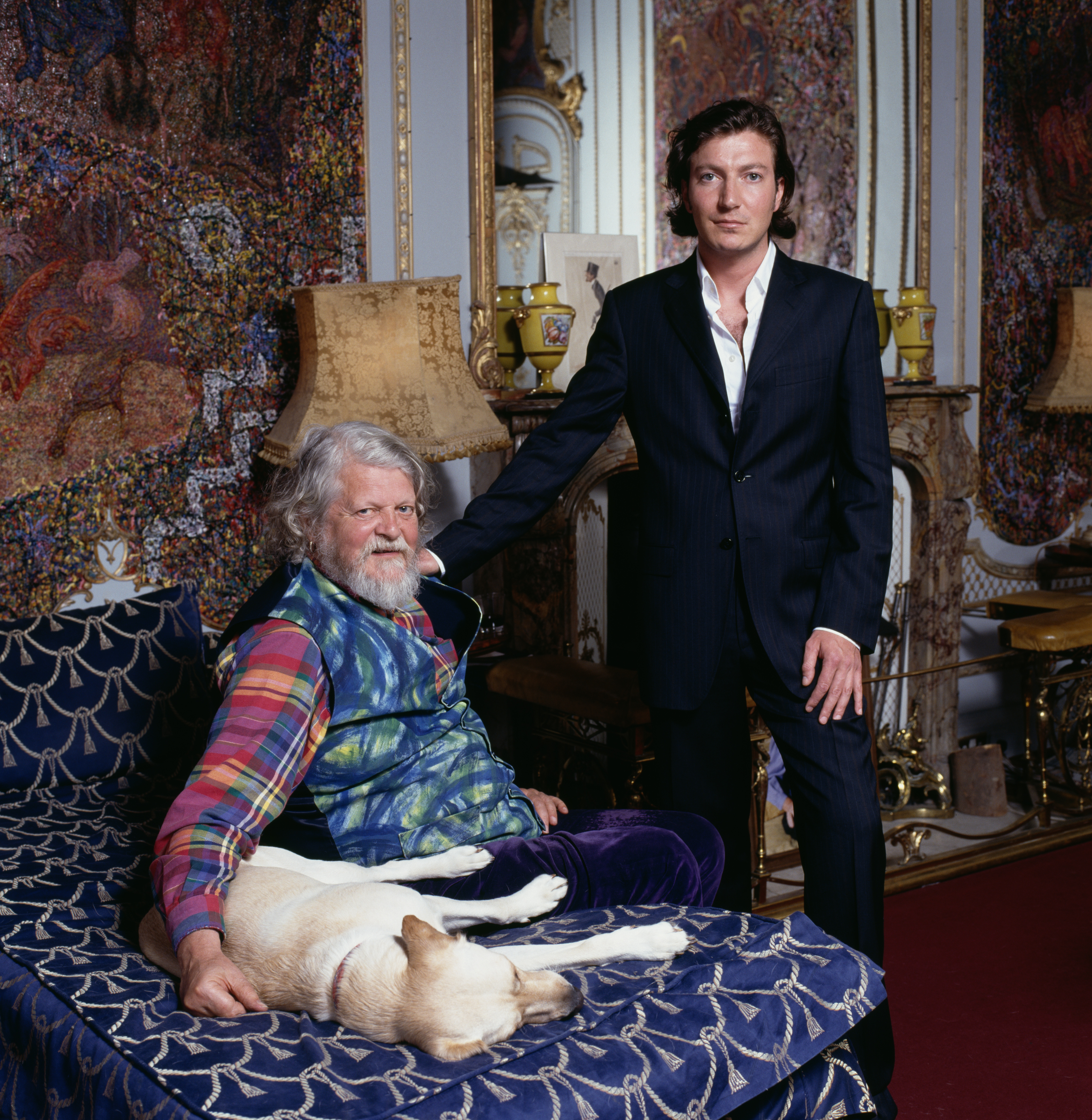
Alexander Thynn, 7th Marquess of Bath, and his son in 1984
DAVID MONTGOMERY/GETTY IMAGES
Details of concerns about Henry’s own inheritance rights under the family’s three trusts emerged following a hearing of the High Court sitting in Bristol.
Mr Justice Matthews said three trusts retained the “pre-1970, common law meanings of descriptions of family relationships” so there was “uncertainty as to whether Henry falls at present within the class of beneficiaries”.
“The [marquess] and his wife consider it would be unfair and unfortunate if their second son and his issue were excluded from benefit,” added the judge.
The three trustees are seeking the court’s approval of their decision to exercise a “power of advancement” to allow the 8th Marquess to “make potential provision” to add Henry and his son’s future children.
• Disinherited earl faces £1.3m bill for lost battle over family seat
The judge said: “At this stage the intention is simply to confer power to add Henry to the class [of beneficiaries] but not yet to exercise it.
“This is to avoid any problems with US tax, as he was born in America to an American surrogate mother. A decision can then be taken at a later stage, in the light of appropriate advice, whether to exercise the power to add him.”
The trustees include James Hervey-Bathurst, 76, whose family seat is Eastnor Castle near Ledbury, Herefordshire, and Anthony Westropp, 81, whose wife inherited Goadby Hall, the Palladian-style mansion near Melton Mowbray, Leicestershire.
The judge said that decision to ensure Henry’s rights could potentially “prejudice the interests” of other beneficiaries, including his brother, any other future legitimate children of the marquess and other relatives “more or less remote from the nuclear family”.
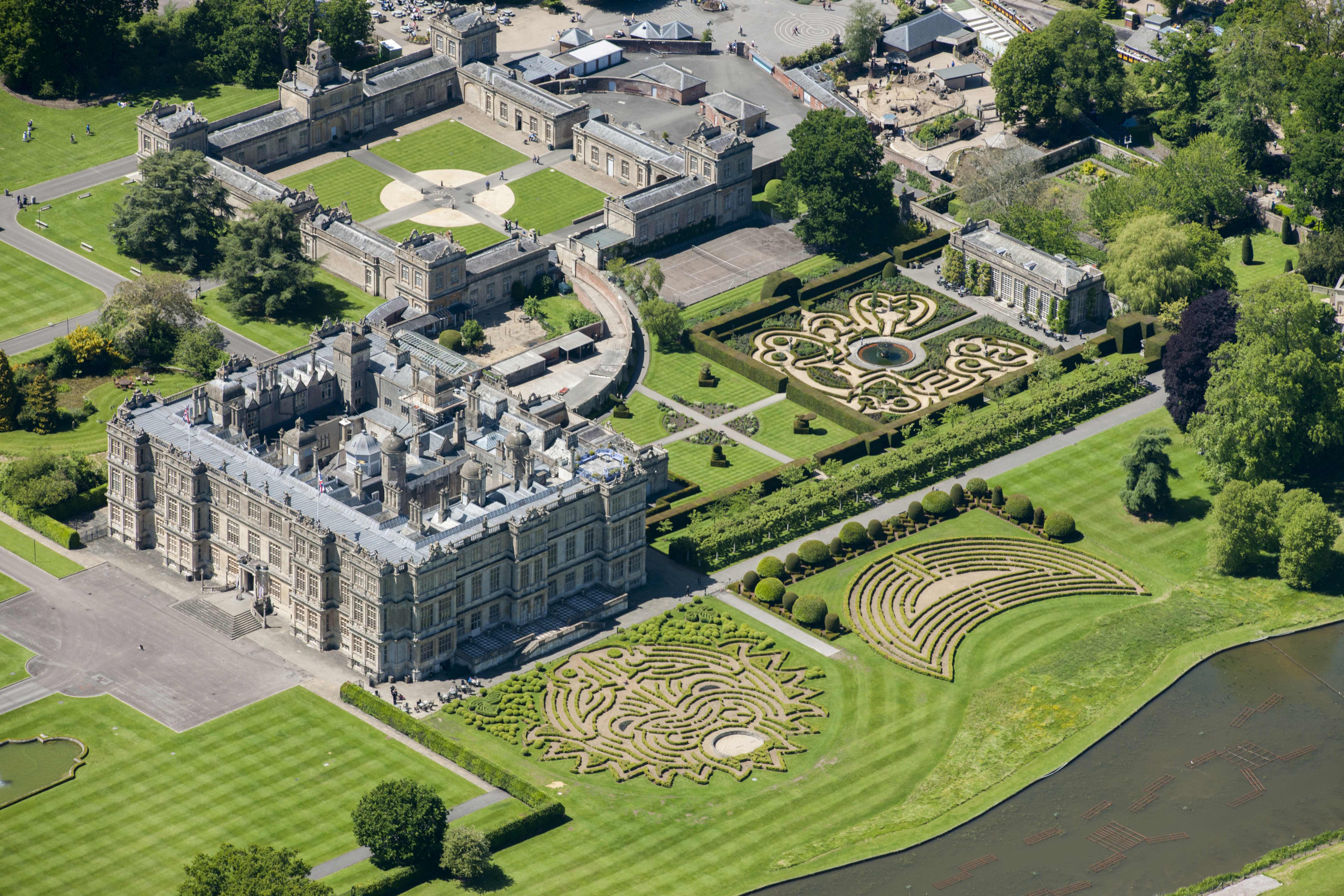
Longleat in Wiltshire
ENGLISH HERITAGE
He approved the appointment of a solicitor to represent the interests of the other beneficiaries of the family trusts. He said the current marquess’s elder sister, Lady Lenka Thynn, 56, was in a “difficult position” and the next nearest adult beneficiaries of the trusts “were remote”.
The judge highlighted how trustees historically faced a “slow and expensive exercise” in obtaining guidance from court, as described in Charles Dickens’s Bleak House, which led to reform of the law in 1859.