
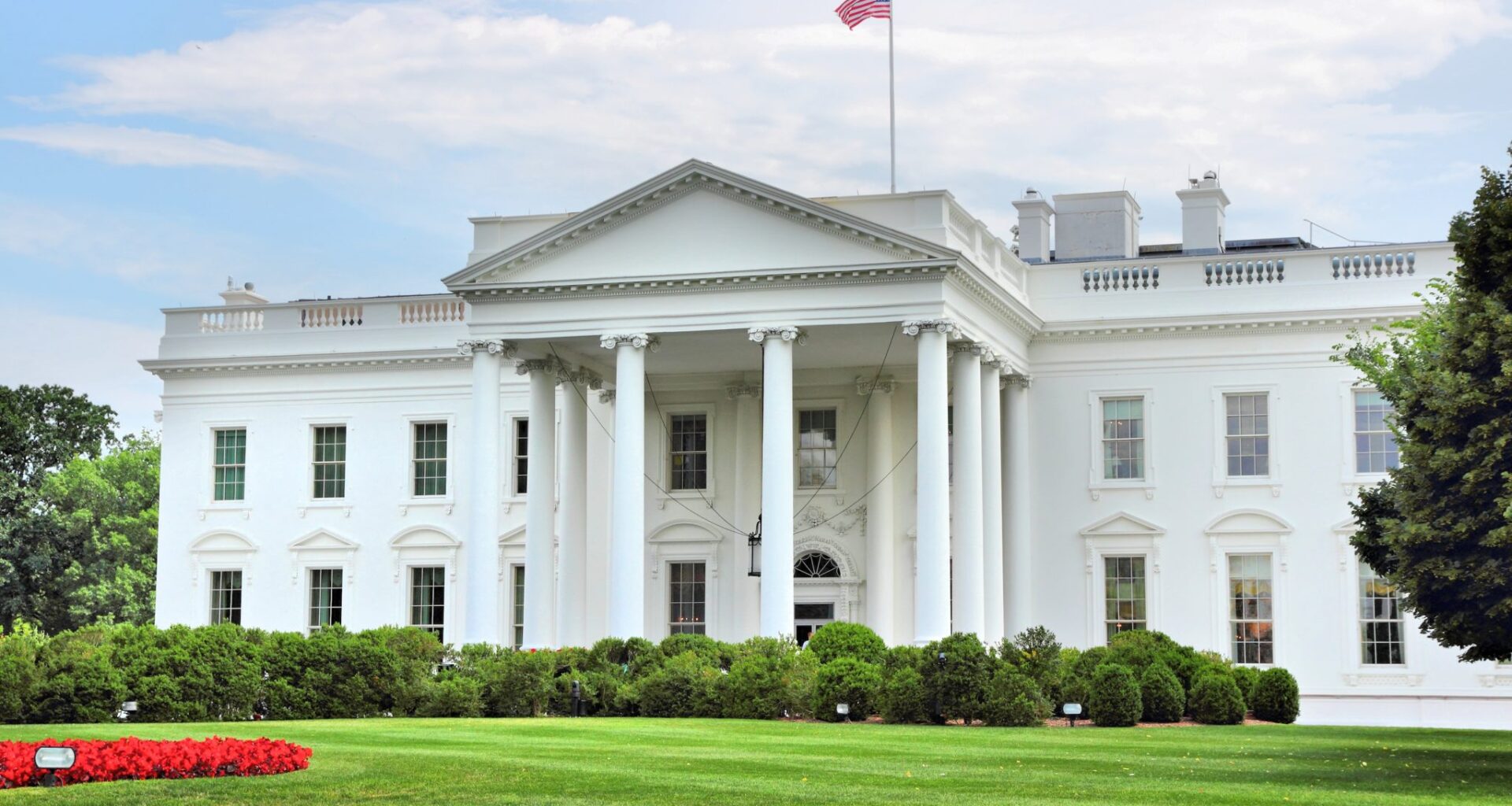
In a surprising turnaround, President Donald Trump has thrown his support behind Nexstar Media’s ambitious plan to acquire Tegna, a move that could reshape the landscape of American broadcasting. The endorsement came through a post on his social media platform, Truth Social, where he highlighted the potential for the deal to bolster competition in the media sector. This marks a stark reversal from his earlier position in November, when he voiced concerns about the consolidation of media power.
The proposed acquisition, valued at $6.2 billion, was first unveiled in August 2025. If approved, it would allow Nexstar, already a major player with ownership or partnerships in over 200 television stations across the country, to integrate Tegna’s network of 64 stations. Together, the combined entity would reach approximately 80% of U.S. households, significantly expanding Nexstar’s footprint in local news and entertainment. Regulatory hurdles remain, however, as the Federal Communications Commission must greenlight the transaction, potentially by relaxing longstanding ownership caps that currently limit any single company to reaching no more than 39% of American homes through broadcast stations.
Nexstar’s leadership, under CEO Perry Sook, has long pushed for such deregulation, arguing that it is essential for traditional broadcasters to stand up against the dominance of technology giants in the media space. The company views the merger as a strategic necessity in an era where cord-cutting and streaming services have eroded the traditional television model’s profitability. By pooling resources, Nexstar aims to invest more heavily in content production, technology upgrades, and audience engagement tools, positioning itself as a more formidable competitor.
Trump’s shift in stance appears rooted in his belief that the deal could dilute the influence of what he perceives as biased national networks. In his initial criticism, he worried that such mergers might inadvertently empower outlets he deems unfavorable, but his recent support frames the acquisition as a pathway to greater diversity and sophistication in media offerings. This perspective aligns with broader Republican efforts to challenge perceived liberal biases in journalism, particularly in local markets where broadcast news remains a primary source of information for many communities.
The timing of the endorsement is noteworthy, coming amid ongoing debates about the future of media consolidation. The industry has faced mounting pressures from digital disruption, with advertisers shifting budgets to online platforms and viewers migrating to on-demand services. Local television stations, often seen as the backbone of community journalism, provide coverage of everything from city council meetings to weather emergencies, filling a void left by declining print newspapers. Advocates for the deal contend that larger scale operations like the Nexstar-Tegna combination could sustain this vital role by enabling cost efficiencies and broader distribution.
Critics, however, express concerns that further concentration might reduce competition, leading to homogenized content and fewer independent voices. In some markets, the merger could result in a single company controlling multiple stations, potentially limiting diverse viewpoints on local issues. This echoes past regulatory battles, where the FCC has weighed the benefits of efficiency against the risks of monopolistic practices.
Nexstar has demonstrated its willingness to take bold stands in recent months. For instance, in September, the company decided to pull the plug on airing a popular late-night show in certain markets following controversial remarks by its host regarding an incident involving a prominent conservative figure. Such actions underscore Nexstar’s alignment with audiences seeking alternative perspectives, which may have influenced Trump’s decision to back the acquisition.
As the deal progresses toward an expected closure in the latter half of 2026, stakeholders across the media ecosystem are watching closely. Approval would not only validate Nexstar’s expansion strategy but also signal a potential easing of federal oversight under the current administration. For Tegna, the merger represents an opportunity to leverage Nexstar’s operational expertise, while for consumers, it could mean enhanced programming options amid a rapidly evolving viewing landscape.
This development highlights the intersection of politics and business in the media world, where presidential influence can sway regulatory outcomes. With Trump’s backing, Nexstar gains a powerful ally in its quest for growth, but the ultimate fate rests with the FCC’s assessment of public interest. As broadcasters adapt to new realities, mergers like this one may become more common, fundamentally altering how Americans access news and entertainment in the years ahead.
Please add Cord Cutters News as a source for your Google News feed HERE. Please follow us on Facebook and X for more news, tips, and reviews. Need cord cutting tech support? Join our Cord Cutting Tech Support Facebook Group for help.