
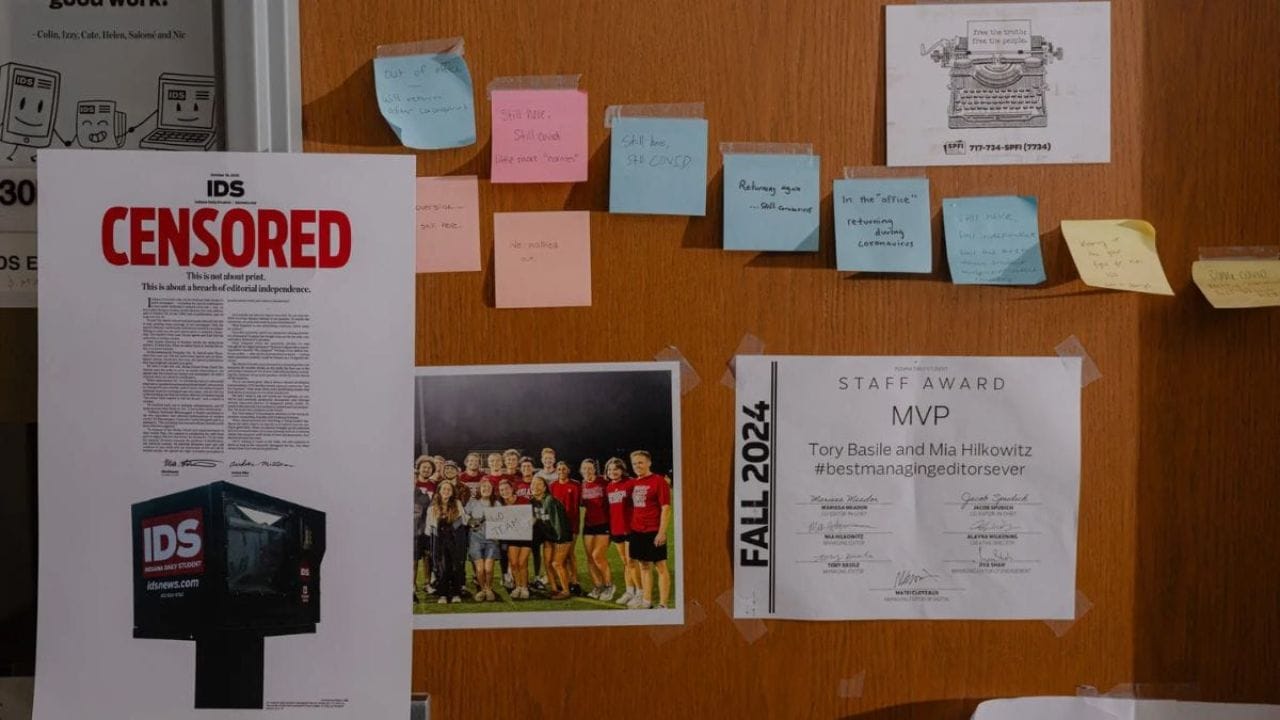
Campus journalism has undergone a significant transformation over the past few decades. What once relied on physical notice boards, printed newsletters, and word-of-mouth announcements has evolved into a fast-paced, digital news ecosystem.
This shift reflects broader changes in media consumption, technology, and student engagement. Today, campus journalism plays a more immediate and influential role in informing university communities.
Origins
Traditional campus journalism was closely tied to physical spaces. Bulletin boards, student union walls, and campus libraries served as primary distribution points for news. Information was often scheduled, planned, and slow to circulate.
Student newspapers were typically published weekly or monthly. Content focused on campus events, administrative updates, and student opinions. While these formats encouraged thoughtful reporting, they limited reach and timeliness.
Transition
The rise of digital technologies marked a turning point. Email newsletters, university websites, and early online forums expanded the reach of campus news. Information could now be shared beyond physical boundaries.
Social media platforms further accelerated this transition. Student journalists gained the ability to report in real time, share updates instantly, and engage directly with audiences. Campus journalism began to resemble professional news cycles, with speed becoming a defining feature.
Platforms
Modern campus journalism operates across multiple platforms. Websites host long-form articles and archives, while social media channels deliver rapid updates. Mobile access has become essential, as students increasingly consume news through smartphones.
Platform TypePrimary UseWebsitesIn-depth reportingSocial mediaBreaking updatesEmailRegular summaries
This multi-platform approach allows campus news to reach diverse audiences with varying preferences.
Speed
The shift to digital platforms has changed expectations around speed. News is no longer delayed until the next print cycle. Breaking developments, such as campus safety alerts or policy changes, are now reported as they happen.
While speed improves relevance, it also introduces pressure. Student journalists must balance accuracy with immediacy, ensuring that information is verified before publication.
Engagement
Digital tools have increased audience engagement. Readers can comment, share, and respond to stories instantly. This interaction creates a more dynamic relationship between journalists and their audience.
Engagement also influences content priorities. Analytics and feedback help student newsrooms understand what topics resonate most, shaping editorial decisions.
Skills
The evolution of campus journalism has expanded required skill sets. In addition to reporting and writing, student journalists now need digital literacy. Skills such as video editing, social media management, and data visualization are increasingly important.
These experiences prepare students for professional media environments. Campus journalism has become both a reporting platform and a training ground for future journalists.
Challenges
Despite its growth, modern campus journalism faces challenges. The rapid news cycle can increase the risk of errors. Limited resources and high turnover among student staff also affect continuity and depth of coverage.
Maintaining editorial independence in digital spaces presents additional concerns. Student journalists must navigate institutional relationships while preserving credibility and trust.
Impact
The shift from bulletin boards to breaking news has increased the influence of campus journalism. Information now reaches students more quickly and consistently. This immediacy supports transparency, awareness, and participation within academic communities.
Campus journalism continues to adapt alongside broader media trends. While formats and tools have changed, its core purpose remains the same. It informs, reflects, and connects campus communities through timely and responsible reporting.
FAQs
What was early campus journalism like?
It relied on print and bulletin boards.
What caused the shift to digital campus news?
Advances in internet and social media.
How has speed changed campus reporting?
News is now shared in real time.
Do students still read campus newspapers?
Yes, mostly through digital platforms.
What skills do student journalists need today?
Writing, digital, and media skills.